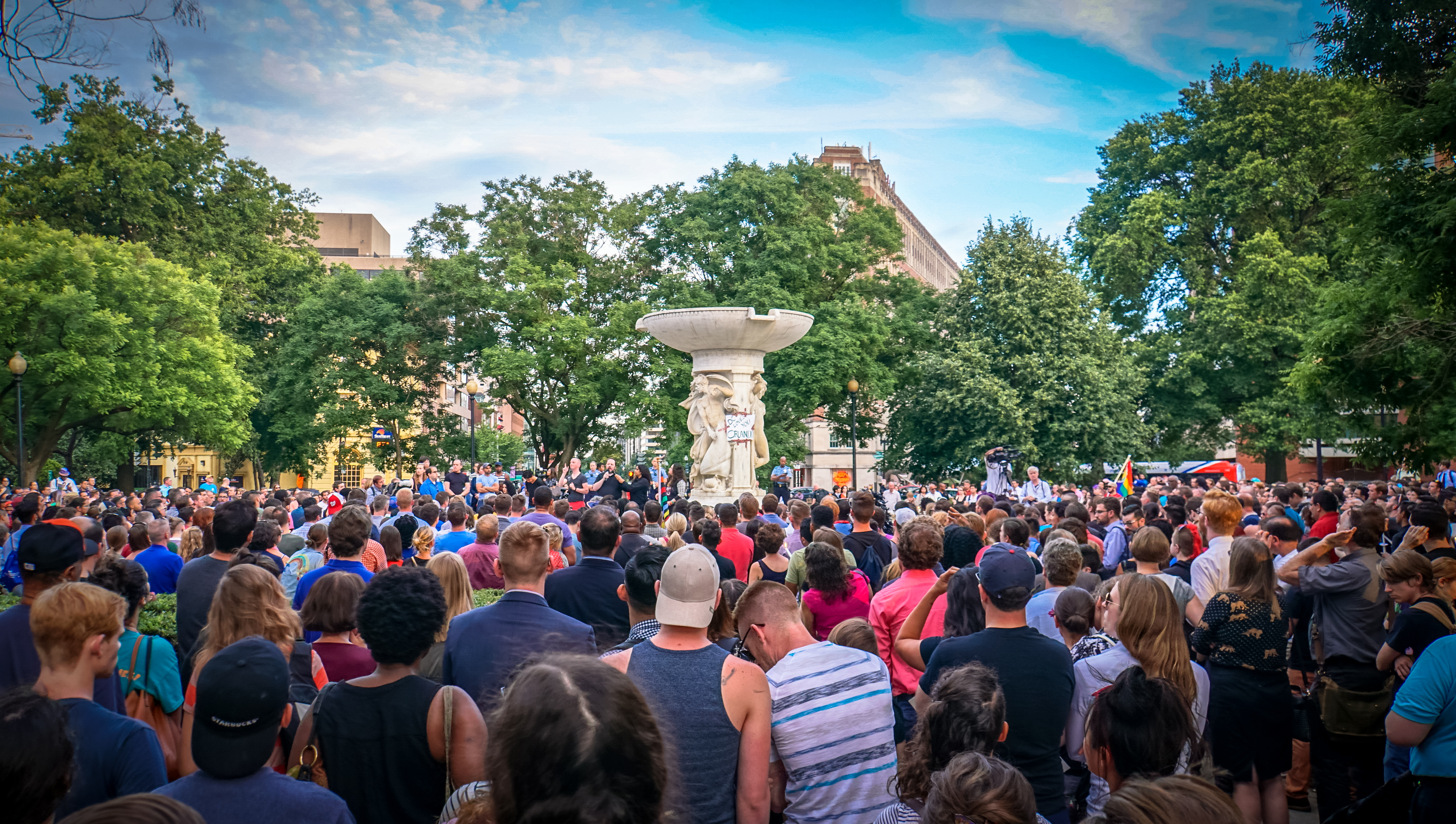
Pulse Nightclub Shooting
Forty-nine names. They range in age from 18 to 50. They are sons, daughters, siblings, partners, parents. Akyra Monet Murray, the youngest, had just graduated from high school in Philadelphia and was celebrating with friends. Brenda Lee Marquez McCool, 49, was at Pulse with her son, who survived. The list reads like a cross-section of Orlando itself: Puerto Rican, Dominican, Mexican, Cuban, American-born, immigrant, military veteran, college student, retail worker, aspiring dancer. On June 12, 2016, they were at Pulse, a gay nightclub on South Orange Avenue, for Latin Night -- a weekly Saturday event that drew a primarily Latino crowd. By sunrise, all 49 were dead, and 58 more were wounded, in what remains the deadliest act of violence against LGBTQ people in the history of the United States.
The Night of June 12
Pulse was serving last-call drinks around 2 a.m. when approximately 320 people were still inside the club. The gunman arrived in a rented van, armed with a SIG Sauer MCX semi-automatic rifle and a 9mm Glock 17 semi-automatic pistol. He entered through the southern entrance and began firing. An off-duty police officer working security at the club engaged the shooter, who retreated deeper inside and took hostages in the bathrooms. Imran Yousuf, a recently discharged Marine Corps veteran working as a bouncer, recognized the gunfire immediately and unlatched a locked back door, allowing approximately 70 people to escape. Amid the chaos of darkness and loud music, patrons called and texted 911 from hiding places throughout the building. Over the next three hours, roughly 100 officers from the Orlando Police Department and the Orange County Sheriff's Office responded. SWAT teams ultimately breached the building. The gunman was killed in the resulting exchange of fire. He was 29 years old.
A City Responds
Orlando's response was immediate and overwhelming. The Orlando Regional Medical Center, the primary trauma center just three blocks from Pulse, received 44 of the wounded and performed 76 surgeries on 35 patients. The last survivor was discharged nearly three months later. Both hospitals that treated victims -- Orlando Regional and Florida Hospital -- later announced they would not bill survivors or seek reimbursement. Across the city, residents lined up to donate blood at centers operated by OneBlood, a regional donation agency. Within hours, Equality Florida launched a fundraising campaign that raised $767,000 in its first nine hours and eventually exceeded $7.85 million -- at the time, the largest GoFundMe campaign in history. Mayor Buddy Dyer established the OneOrlando Fund, which ultimately paid out more than $27.4 million to 299 recipients. The Walt Disney Company and NBCUniversal each donated $1 million. A vigil at the banks of Lake Eola Park drew 50,000 people. The City of Orlando offered free burial plots and funeral services at Greenwood Cemetery for those killed.
Forty-Nine Flags
In the days following the shooting, Governor Rick Scott directed that 49 state flags be flown for 49 days in front of the Florida Historic Capitol in Tallahassee, each one bearing the name, age, and photograph of a victim. President Barack Obama described the shooting as both an act of hate and an act of terror, and he and Vice President Joe Biden traveled to Orlando to lay flowers at a memorial and meet with victims' families. Landmarks across the world -- the One World Trade Center, the Sydney Harbour Bridge -- illuminated in rainbow colors. The United Nations Security Council issued a statement condemning the attack. American Muslim communities organized prayer vigils at mosques across the country, and some Muslim groups urged members to break their Ramadan fast in order to donate blood. The shooting prompted a national reexamination of security at nightclubs, concert venues, and LGBTQ gathering spaces, and sixty House Democrats staged a sit-in on the House floor to demand votes on gun control legislation.
The Unfinished Memorial
The site of Pulse on South Orange Avenue became an improvised memorial almost immediately -- flowers, photographs, rainbow flags, handwritten messages. In December 2016, the nightclub's owner declined the city's offer to purchase the property, instead creating the OnePulse Foundation with plans for a permanent memorial and museum originally slated to open in 2022. The foundation raised $20 million but ultimately folded without building the memorial. In late October 2023, OnePulse's plans were permanently suspended. The City of Orlando then approved the purchase of the site to convert the temporary memorial into a permanent one. In December 2023, Mayor Dyer announced the creation of the Orlando United Pulse Memorial Fund, aiming to raise money through community donations for a permanent memorial planned to open in 2027. The 2025 Florida state budget included $394,421 for the Pulse National Memorial. Until the permanent memorial takes shape, the site remains what it has been since that June morning: a quiet place on a busy road, holding the weight of 49 lives and the grief of a city that refused to let that weight crush it.
From the Air
Located at 28.520N, 81.377W on South Orange Avenue in Orlando, Florida, approximately 1.5nm south of downtown Orlando and Lake Eola. The Pulse memorial site is on a commercial stretch of South Orange Avenue. Orlando Regional Medical Center, which treated the majority of survivors, is approximately 0.5nm to the north. Recommended viewing altitude 2,000-3,000 feet AGL. Nearby airports: Orlando Executive Airport (KORL) approximately 3nm southeast, Orlando International Airport (KMCO) approximately 9nm south-southeast. The site is a designated memorial and should be approached with the gravity it carries.