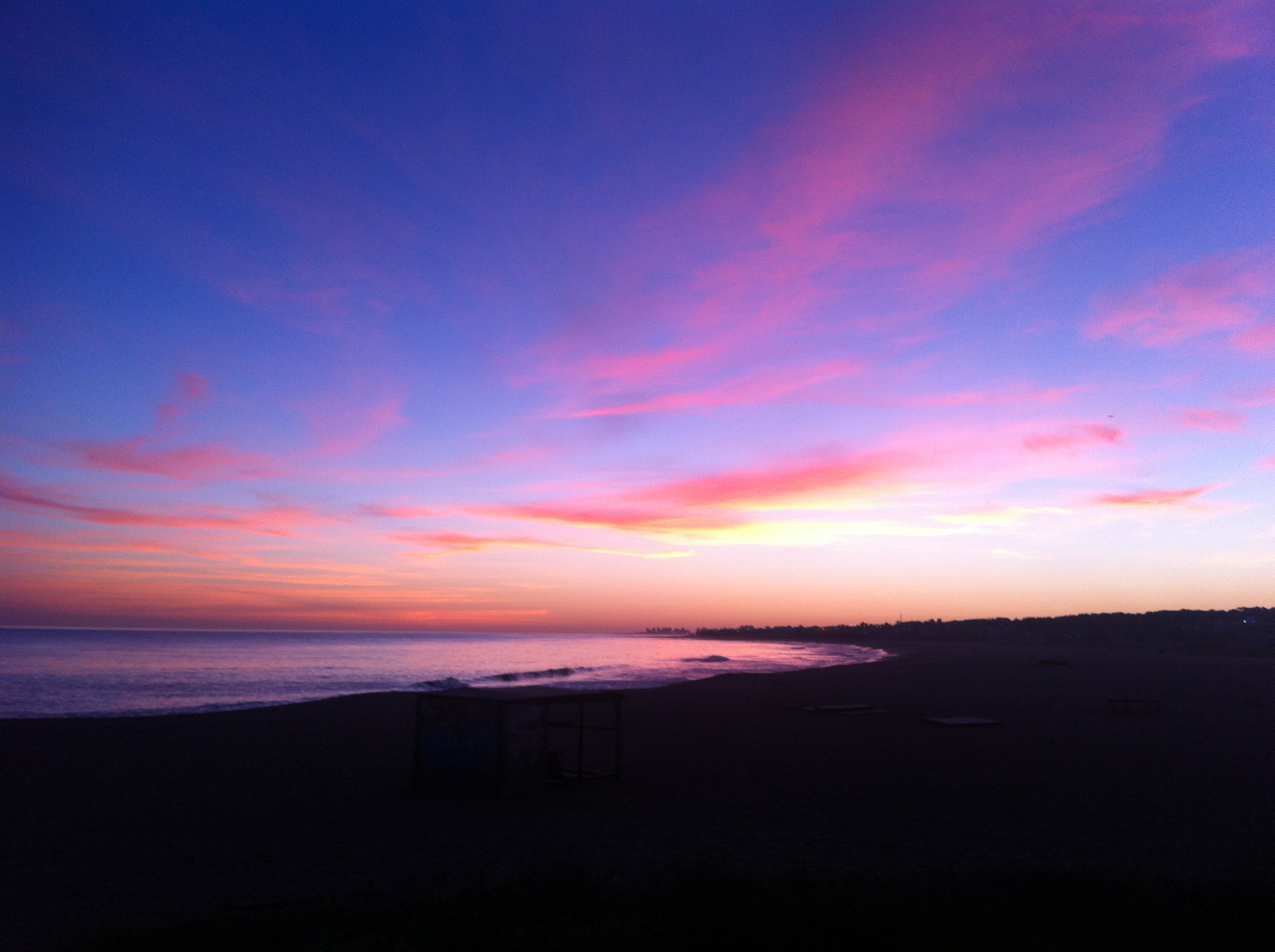
Punta del Este
On a January evening, the clubs of Punta del Este do not come alive until well past midnight. The beautiful people arrive at two, dance until the sun rises over the Atlantic, then sleep through the afternoon before repeating it all again. This Uruguayan peninsula, often called the Monaco of South America, exists in two states: the quiet winter months when its population hovers around 9,000, and the explosive summer season when Argentines, Brazilians, and international jet-setters multiply that number many times over. The transformation is so complete that locals describe it not as seasonal variation but as two different cities sharing the same coordinates. For those seeking heavenly beaches, exotic sophistication, and South America's most ardent nightlife, January in Punta del Este delivers exactly that, at prices to match its reputation.
The Two Coasts
Geography gave Punta del Este something rare: a peninsula offering fundamentally different beach experiences on either side. The western shore, called the mansa or calm side, faces the sheltered waters of the Rio de la Plata estuary. Here families spread blankets on gentle sands, jet skis buzz across placid water, and bathers float in warmth that rarely produces a wave worth mentioning. Walk ten minutes to the eastern shore and the Atlantic announces itself with crashing surf, persistent wind, and the kind of conditions that draw surfers from across the continent. The brava coast earns its name. Between them, la playa de los Dedos features one of South America's most photographed landmarks: a giant sculpture of fingers emerging from the sand, as if some buried titan were clawing toward the surface.
Port Life
Each morning around nine, a different kind of spectacle unfolds at Punta del Este's harbor. Fishing boats return with the night's catch, and as crews clean their haul on the docks, the leftovers go overboard to an audience of sea lions and seals who have learned precisely when and where to wait. The animals bark and jostle for position, their performances providing free entertainment for early-rising tourists. Beyond the fish market, the port reveals Punta del Este's other face: rows of gleaming yachts belonging to South America's elite, vessels whose owners arrive each summer to see and be seen. The lighthouse standing guard over the harbor dates from an earlier era, when this was a fishing village rather than a playground.
Beyond the Peninsula
The beaches that made Punta del Este famous extend in both directions along the coast, each with its own character. La Barra, a short drive east, draws the young and fashionable to Bikini Beach, where models and celebrities establish informal courts on the sand. Jose Ignacio offers spectacular sunsets to those willing to travel further. Offshore, Isla Gorriti provides a protected nature escape, reachable by twenty-minute ferry, where visitors find beaches, hiking trails, and restaurants without the high-rise shadows that increasingly darken the main peninsula. The Arboretum Lussich, one of the world's most important botanical gardens, spreads across nearby hills, displaying exotic species collected from every continent.
The Summer Economy
Punta del Este operates on a financial calendar as extreme as its seasonal population swings. From late December through early January, prices reach their peak: club covers soar, hotel rooms become nearly impossible to book, and restaurant tabs reflect the captive audience of wealthy visitors. After January 15, a curious deflation begins. Prices drop, crowds thin, and those who time their visit to late January or February find a more accessible version of the same beaches and nightlife. The shoulder seasons of March and November offer further value, though many establishments close entirely during the southern winter. For budget travelers, the mathematics are clear: Punta del Este demands either deep pockets or careful timing.
From the Air
Located at 34.97 degrees S, 54.95 degrees W, on a narrow peninsula jutting into the Atlantic Ocean from Uruguay's southeastern coast. The distinctive finger-shaped landmass is clearly identifiable from altitude, with dense high-rise development on the peninsula contrasting with beaches extending along both coasts. Nearest airport: Capitan de Corbeta Carlos A. Curbelo International Airport (SULS), 25 km east. Montevideo's Carrasco International (SUMU) offers more flight options, 140 km west. The harbor, Isla Gorriti offshore, and the famous hand sculpture on the beach are visible landmarks.