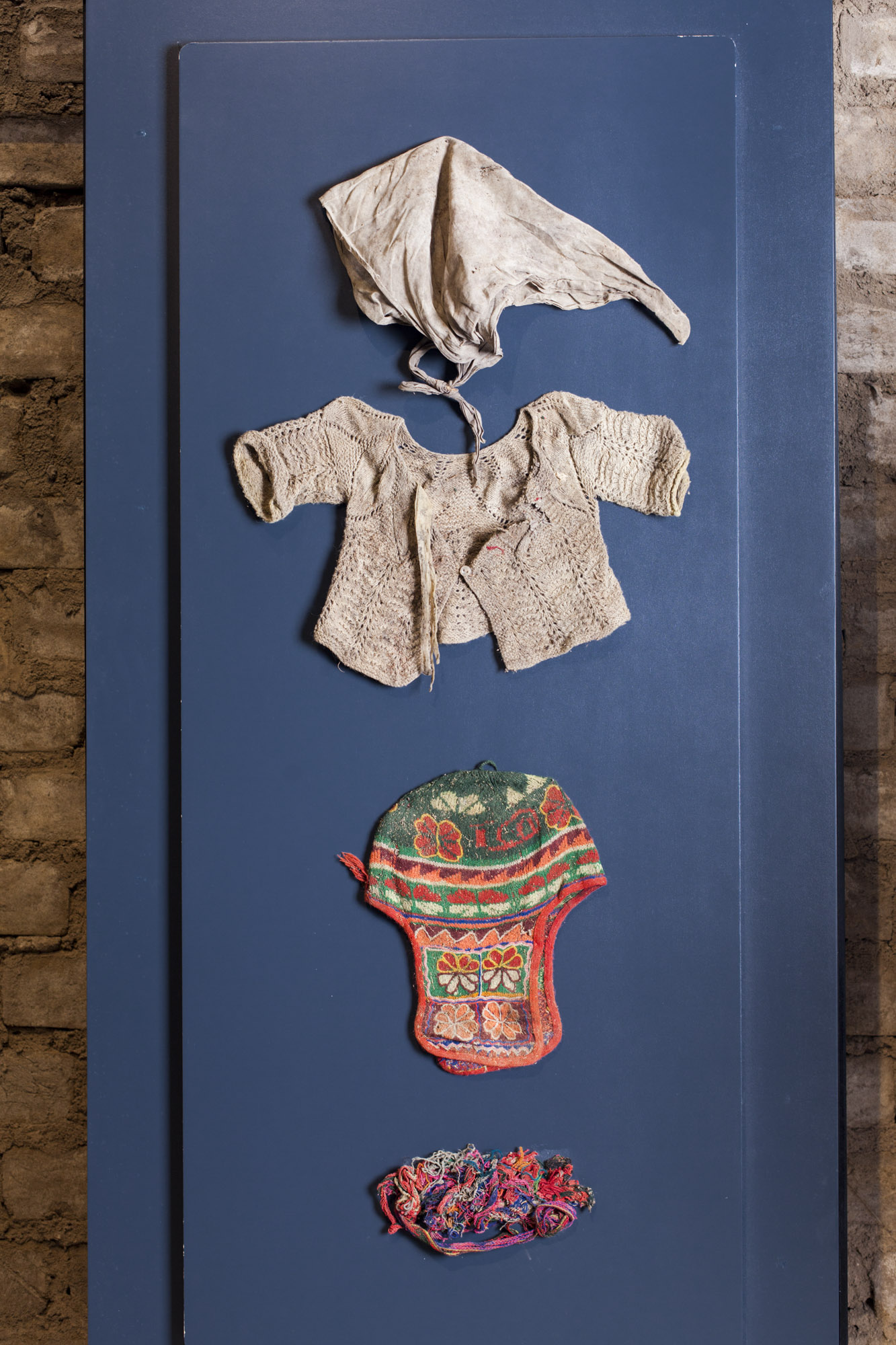
Putis massacre
The soldiers told them to come home. Since 1983, the people of Putis — a remote hamlet in the Santillana District of Peru's Huanta Province — had been hiding in the surrounding mountains, driven from their homes by the violence of the Shining Path insurgency. The guerrillas had murdered their lieutenant governor, Santos Quispe Saavedra, and terrorized neighboring villages. When the Peruvian Army established a military base in Putis in November 1984, it called on the refugees to return. Most of them did. They walked down from the mountains, back to the settlement they had fled, trusting the army's assurance of safety. In December 1984, the soldiers gathered the returned villagers, ordered the men to dig a pit, and then executed the entire community.
Caught Between Two Fires
Peru's internal conflict, which began in 1980 when the Maoist Shining Path launched its insurgency in the Ayacucho region, devastated the country's rural highlands. The Huanta Province, where Putis was located, was one of the hardest-hit areas. Shining Path established control through violence — killing local officials, enforcing its ideology at gunpoint, and punishing anyone suspected of cooperating with the government. Villagers who refused to join were targeted. But the military's response was equally indiscriminate. Entire communities were treated as presumed enemies, their poverty and remoteness taken as evidence of sympathy with the insurgents. The people of Putis were trapped between these two forces: killed by the Shining Path if they refused to comply, killed by the army if they were suspected of complying.
The Pit
By December 1984, most of the population had returned to the Putis settlement. What happened next was methodical. The military ordered the men of the community to dig a large pit. Then soldiers gathered the entire population — men, women, and children from the settlements of Cayramayo, Vizcatánpata, Orccohuasi, and Putis — around the excavation and opened fire. They buried the dead in the pit they had been forced to dig. The estimated death toll was 123 people. Nineteen of those murdered were children. The Truth and Reconciliation Commission later identified two mass graves: one behind the church, the other inside the school. Investigators believe the killings were motivated in part by suspicion that the villagers sympathized with the Shining Path, and in part by a desire to steal and sell the community's cattle. A hundred and twenty-three lives, taken for ideology and livestock.
Decades of Silence
A handful of people from Putis survived by staying in the mountains, never answering the army's call to return. They remained in hiding for years. A few returned to the hamlet in 1997, more than a decade after the massacre. As of 2002, only about ten families lived in Putis. The Peruvian military offered no explanation for what had happened. When investigators eventually sought documentation, the military claimed all records related to the events had been destroyed in a fire. The silence around Putis was not unusual. Across the Andean highlands, similar massacres went uninvestigated for decades, their victims buried in unmarked graves in communities too small and too poor to demand answers from a government that did not want to provide them.
Unearthing the Dead
In 2003, Peru's Truth and Reconciliation Commission recommended the investigation of mass grave sites across the country, including Putis. It took five years for forensic investigators to begin exhumations. In May 2008, a team began carefully excavating the graves behind the church and inside the school. Around 50 relatives of the victims traveled to Putis to watch the recovery of their family members' remains. In August 2009, a mass funeral was held for ninety-two of the victims. Through DNA analysis, only twenty-eight could be positively identified. Many coffins contained partial remains. For the families who stood at the graveside, the funeral was both a measure of closure and a reminder of how much had been lost — not only the people themselves, but the possibility of ever fully knowing who lay in which grave.
The Unfinished Record
Criminal accountability for the Putis massacre has moved slowly. In December 2011, the Ayacucho public prosecutor filed charges against four high-ranking military officers who commanded operations in the region at the time. In 2012, a judge found sufficient evidence to put them on trial for crimes against humanity. The military's claim that its records were destroyed hampered efforts to identify individual soldiers, leaving prosecutors to pursue the officers in command rather than the men who pulled the triggers. This absence of full accountability is the final cruelty: a community was annihilated, and the prosecutions that followed decades later have yet to deliver convictions. Putis is one of hundreds of sites documented by the Truth and Reconciliation Commission across Peru's highlands, part of a conflict that killed approximately 69,000 people between 1980 and 2000. The hamlet itself remains a tiny settlement in the mountains of Huanta Province, a place most Peruvians will never visit. But the mass graves behind the church and inside the school are part of the country's historical record now, evidence that these were real people — farmers, parents, children — who were promised safety and met instead with betrayal.
From the Air
Putis is located at approximately 12.58°S, 74.23°W in the Santillana District of Huanta Province, in Peru's Ayacucho Region. The hamlet sits in a remote mountain valley in the central Andes, at high elevation. From 8,000–12,000 feet AGL, the settlement is barely visible as a small cluster of structures in rugged terrain. The nearest significant airport is Coronel FAP Alfredo Mendivil Duarte Airport (SPHO) in Ayacucho, approximately 80 km to the south. Expect variable mountain weather with frequent cloud cover, particularly during the rainy season (December–April). The terrain is extremely mountainous with limited landmarks.