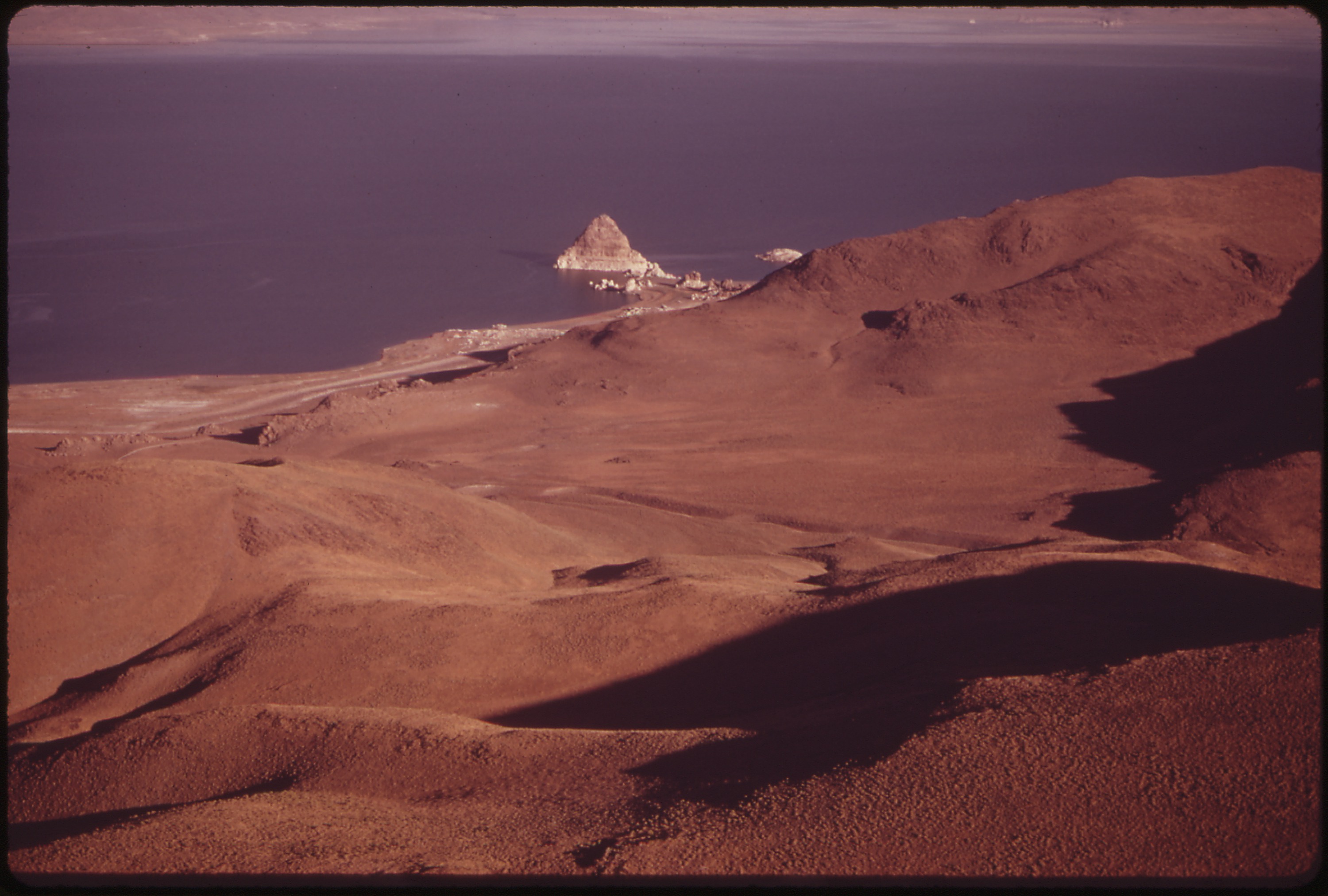
Pyramid Lake Paiute Tribe Reservation
The name tells you everything: Kuyuidokado, the Cui-ui Fish Eaters. For thousands of years before Europeans arrived in the Great Basin, the Northern Paiute people built their entire civilization around the prehistoric cui-ui fish that spawned in the waters of Pyramid Lake. Today, their descendants still call this high desert lake home, governing a reservation that stretches across nearly 500,000 acres of northwestern Nevada. The lake itself, with its otherworldly tufa formations rising from alkaline waters, comprises a quarter of the reservation's total area. Three communities dot the landscape: Wadsworth near the Truckee River's Big Bend, Nixon where tribal government convenes at the lake's southern shore, and Sutcliffe perched on the western waterfront. This is not just land held in trust; it is a living connection to a way of life that predates the reservation system by millennia.
The People of the Cui-ui
Two bands make up the Pyramid Lake Paiute Tribe. The larger group, the Kuyuidokado, took their very identity from the cui-ui, a sucker fish found nowhere else on Earth. The smaller band, the Tasiget tuviwarai, called themselves 'Those who live amidst the mountains,' a name that speaks to the dramatic landscape surrounding the lake. The Lake Range, Virginia Mountains, Pah Rah Range, and the southern edge of the Smoke Creek Desert frame the reservation, creating a basin of remarkable isolation. The 2000 census counted 1,734 people living on the reservation, though enrolled tribal members numbered higher. These numbers mask the deeper story: a people who have continuously inhabited this land, adapting and persisting through waves of change that would have broken lesser communities.
A Reservation Born of Executive Power
The legal history of Pyramid Lake Reservation reads like a primer on the uncertain nature of Indigenous land rights in America. The Bureau of Indian Affairs first set aside this land in 1859, yet no survey occurred until 1865. The reservation's status remained legally ambiguous until March 23, 1874, when President Ulysses S. Grant affirmed its existence by executive order. This was novel territory: most previous reservations came through treaties or congressional legislation. Later courts validated executive-branch reservations and critically backdated Pyramid Lake's establishment to 1859, not 1874. That earlier date matters enormously for water rights under the doctrine of prior appropriation, where first in time means first in right. The tribe's priority date predates most other claims in the Truckee River watershed.
Water Wars and Vanishing Fish
The story of Pyramid Lake is inseparable from the story of water conflict. When Derby Dam was built on the Truckee River to divert water for irrigation, it devastated the lake's commercial fishery, once a major revenue source for the tribe. Water levels have declined steadily; the endemic Lahontan cutthroat trout fishery, which still draws anglers from Reno and beyond, survives in diminished form. Upstream discharges, both point and non-point sources, have degraded water quality. The tribe has fought a long series of legal battles over water, finally receiving a settlement in their lands claim case in 1968. Today, fishing license and boating permit sales help sustain the tribe, a fraction of what the waters once provided.
Voting Rights and Modern Victories
In 2016, the Pyramid Lake Paiute joined with the Walker River Paiute in a federal civil rights case that exposed a persistent injustice: tribal members had to travel hundreds of miles round trip to reach polling places. Chairman Vinton Hawley led the charge, and the court ruled in favor of the tribes under the Voting Rights Act, ordering officials to establish satellite voting offices on the reservations. When early voting began on October 22, 2016, turnout in just two days doubled the total from the entire 2012 presidential election. Hawley, also chairman of the Inter-Tribal Council of Nevada, continues pressing for voting access for nine additional tribes. That same year, the Nevada Native Nations Land Act added Bureau of Land Management lands to the reservation, expanding the tribal base. Gaming is prohibited on these new lands, but sustainability is the goal, not casinos.
Legacy and Landscape
Pyramid Lake itself remains the heart of the reservation, its name derived from the distinctive tufa formations that jut from the water's surface. The Truckee River feeds it, flowing from Lake Tahoe through the Sierra Nevada. Nearby Winnemucca Lake, once connected to Pyramid Lake in wetter times, sits mostly dry today, a reminder of how water shapes everything here. The reservation includes descendants of Chief Winnemucca, the early 19th-century Paiute leader whose daughter Sarah Winnemucca became one of the first Native American women to publish a book in English. History layers upon history in this landscape. The Kuyuidokado are still here, still fishing, still fighting, still defining themselves by their relationship to water and place.
From the Air
Located at 40.08N, 119.54W in northwestern Nevada, approximately 35 miles northeast of Reno. Pyramid Lake is clearly visible from altitude, a striking blue expanse in the high desert. The lake's tufa formations are visible on the eastern shore. Nearest airports: Reno-Tahoe International (KRNO) 35nm southwest, Fallon Municipal (KFLX) 50nm southeast. Best viewed at 5,000-8,000 feet AGL. The Lake Range and Virginia Mountains frame the eastern and western shores.