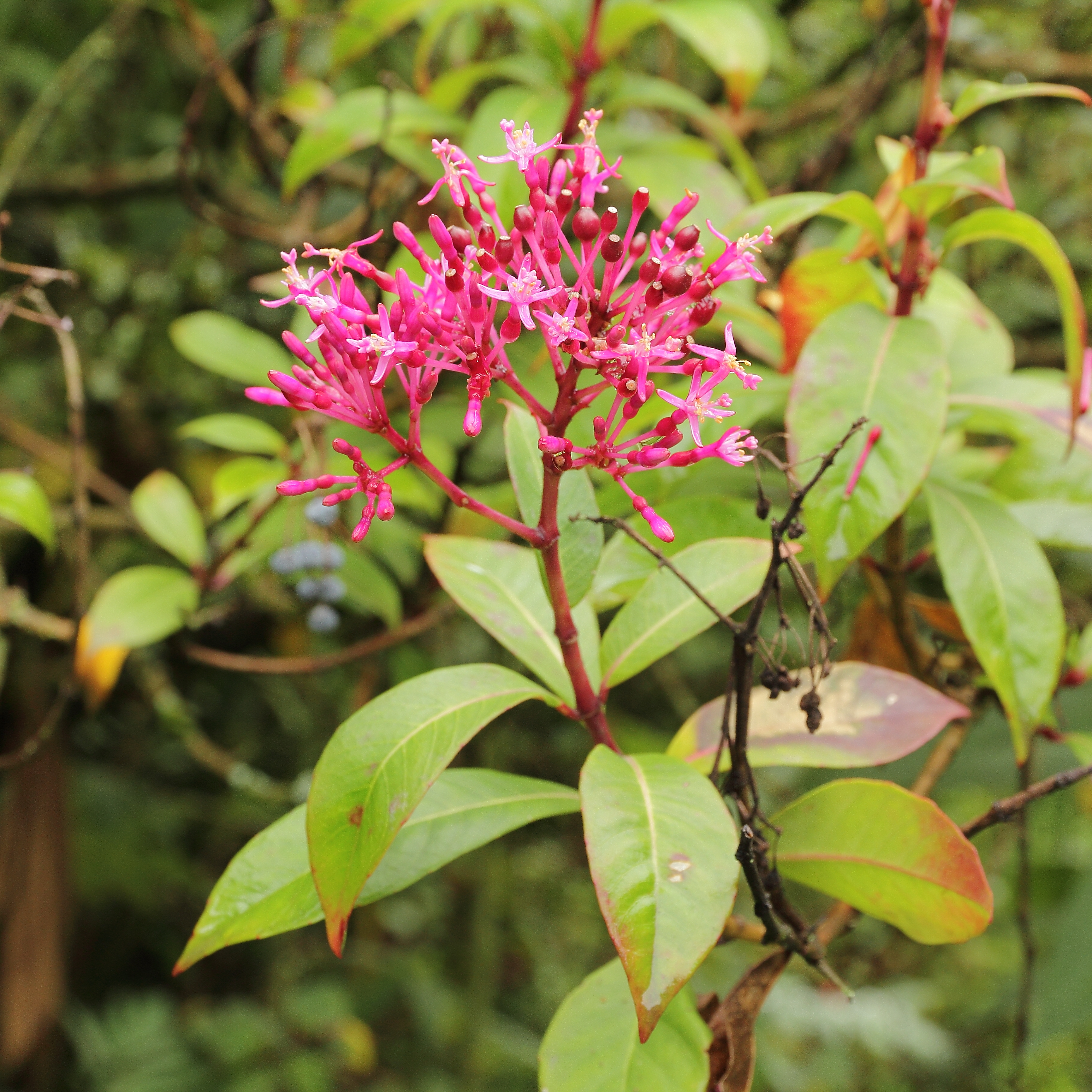
Quito Botanical Garden
Ecuador punches far above its weight in botany. Roughly the size of Colorado, the country contains about 17,000 documented species of vascular plants - more than the United States and Canada combined, placing Ecuador among the world's 17 megadiverse nations. The biodiversity comes from the geography: within a few hundred kilometers, the country climbs from Pacific mangroves to Andean páramo, then drops into Amazonian cloud forest and lowland rainforest. Different altitudes produce different climates, and different climates produce different plants. The Quito Botanical Garden, an 18,600-square-meter park tucked inside the Parque La Carolina, is an attempt to compress this extraordinary floral range into something the average visitor can walk through in an afternoon.
An Agreement Between Three Parties
The garden began in 1989 with a three-way agreement. The Ecuadorian Museum of Natural Sciences, the Gardening Club, and the Municipality of Quito signed terms that converted the old municipal nursery inside Parque La Carolina into a public botanical institution. In June 1991, to guarantee administrative continuity, the Botanical Foundation of the Andes was created to manage the site and carry out research on Ecuadorian flora. The garden holds the identification code QUITO at Botanic Gardens Conservation International (BGCI) - the global network that tracks specimen gardens worldwide - and the same code marks its herbarium, the scientific repository of pressed plant specimens that underpins any serious botanical institution. From nursery to research institution took two years. The garden has been collecting and caring for Ecuadorian plants continuously since.
Walking the Altitudes
The garden is organized along walking paths, each section representing a different Ecuadorian ecosystem. The aquatic plants collection pools water from streams and small waterfalls threaded through the grounds, approximating the slow-moving tributaries of the Amazon and the highland lakes. The cloud forest section recreates the perpetual mist that hangs below Andean summits, where moss-covered tree branches support their own micro-ecosystems of orchids and bromeliads. The páramo collection features the grass and cushion plants of high Andean tundra, including the so-called paramo pads - low green mounds that look like inviting mattresses until you discover they are saturated with water and impossible to sit on without getting soaked. The orchid garden, housed in two greenhouses, holds tall tropical orchids and the miniature species that grow on stones, soil, and tree trunks in the wild. Ecuador has more orchid species than almost any country on Earth.
The Inca's Flower and Malaria's Cure
The medicinal plant collection holds two specimens that carry centuries of Andean history. The first is guanto or floripondio - Brugmansia, the tree datura with its enormous drooping trumpet flowers. In pre-Columbian Andean culture, Brugmansia was called the flower of the Inca, and its powerful hallucinogenic alkaloids were used in shamanic rituals and believed to scare away evil spirits. The second is Cinchona officinalis, the tree whose bark contains quinine - the compound that became humanity's first effective treatment for malaria. Quinine from cinchona bark saved uncounted lives during the era when malaria limited European expansion into tropical zones. Ecuador's highlands are part of the tree's original range. The garden also holds native and introduced fruit trees, plus plans for a hydroponic rose greenhouse that remains, as of this writing, a project for the near future.
Where Quito Meets Its Plants
The garden sits at the intersection of Rumipamba Street and Avenida Amazonas, inside the larger Parque La Carolina, next to the Museum of Natural Sciences. The location places botanical education alongside Quito's primary commercial district, which means the garden draws not just naturalists but office workers on lunch breaks and families with small children. Visiting hours are Monday 8 AM to 5 PM, and Sundays and holidays from 9 AM to 5 PM. The collections include Fuchsia boliviana Alba, whose pendant red flowers hang from arched stems; Fuchsia paniculata, endemic to the Andes; Syzygium jambos, the rose apple originally native to Southeast Asia; and Andesanthus lepidotus, formerly called Tibouchina lepidota, a high-Andean shrub with magenta flowers. Quito's climate - subtropical highland, divided between a long rainy winter and a four-month dry season with higher temperatures - suits most of these plants well. Temperatures range from 10 to 27 degrees Celsius across the year. The garden's role is to keep that suitable climate busy: introducing visitors to the staggering range of plants that Ecuador's geography has produced over millions of years.
From the Air
Located at 0.19°S, 78.49°W in northern Quito at 2,810m elevation, inside Parque La Carolina - a large urban park readily identifiable from altitude as a rectangular green space in the city's commercial district. Viewing altitude 4,500m reveals the layered bowl topography of Quito: the long north-south valley between Pichincha volcano (4,784m) to the west and the Guangüiltagua range to the east, with the garden visible as a specific green patch within the larger park. Nearest airport: Mariscal Sucre International (SEQM) at Tababela, 18nm east. The adjacent Museum of Natural Sciences provides a useful landmark; the garden sits immediately beside it. Weather in Quito's high-altitude basin is notoriously changeable - brilliant sun can shift to afternoon rain within minutes year-round, due to the subtropical highland climate influenced by the equator's proximity and the surrounding volcanic terrain.