Raid on Genoa
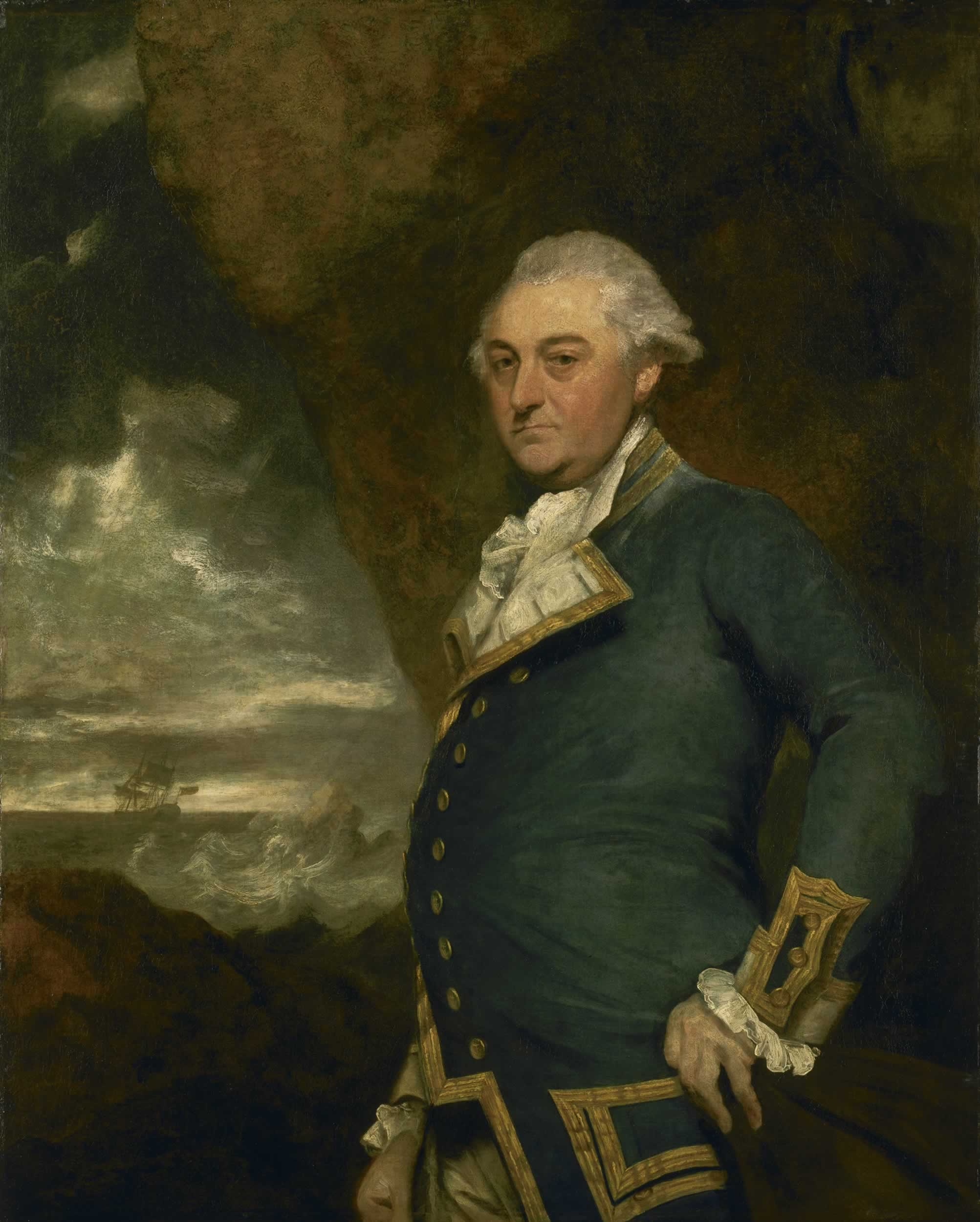
Lord Hood's orders were blunt. The operation against the French frigates sheltering in Genoa was to serve as a warning to the city's Republican sympathizers -- the 'regicides,' as Hood called them. That the Republic of Genoa was officially neutral mattered less to the British admiral than the fact that French warships were hiding in its harbor, French food was flowing through its port to Republican armies, and Austrian reinforcements critical to holding Toulon could not embark because Genoese politicians blocked them. On 5 October 1793, a British squadron sailed into the harbor and took what it wanted by force.
Scattered Across Neutral Harbors
The crisis at Genoa grew from the wreckage of the French Mediterranean Fleet. When Royalists in Toulon invited Lord Hood to occupy their city in August 1793, the British seized France's principal naval base and much of the fleet stationed there. But the ships that escaped had nowhere to go. Deprived of a home port, French frigates scattered across neutral Italian harbors, relying on Italian sovereignty to shield them from the more powerful British and Spanish fleets operating in the Ligurian Sea. Two of the largest -- the 36-gun Modeste and the 40-gun Imperieuse -- took shelter at Genoa and Leghorn respectively. They were more than an annoyance. Their presence intimidated neutral port authorities and prevented the movement of Austrian troops who were supposed to reinforce the Allied garrison at Toulon. The British ambassador, Francis Drake, demanded that Genoa expel the French ships. The Genoese government, where a strong Republican faction sympathized with revolutionary France, refused.
A 98-Gun Argument
Hood's response was a squadron that left no room for diplomatic ambiguity. Rear-Admiral John Gell sailed from Toulon aboard the 98-gun HMS St George, accompanied by the 74-gun HMS Bedford, HMS Captain, the French Royalist Scipion, and a flotilla of smaller warships including HMS Speedy under Commander Charles Cunningham. They arrived off Genoa on 5 October and found Modeste and two smaller French vessels at anchor in the harbor. Later that day, boats from three ships launched a boarding action. Marines from Bedford fired into the French crews, killing several sailors and driving others overboard. The French resisted but were overwhelmed. All three vessels were captured without a single British casualty. Those French sailors who leapt into the harbor to escape were fished from the water by the boats of Captain. Six days later, HMS Captain tracked down Imperieuse, which had fled to La Spezia, and seized her as well.
The Consequences Nobody Intended
The raid achieved its tactical objective -- both frigates were immediately recommissioned into the Royal Navy, Imperieuse renamed HMS Unite -- but its strategic consequences were disastrous. The Republican faction in Genoa, outraged by the violation of their neutrality, retaliated by expelling Ambassador Drake and every British resident of the city. More critically, they blocked the Austrian troop transports that were supposed to sail from Genoa to reinforce Toulon. Without those reinforcements, the Allied garrison was fatally undermanned. Gell attempted to offset the damage by blockading Genoa and seizing neutral merchant ships, but the damage was done. Meanwhile, the Royalist ship Scipion, carrying 150 prisoners taken in the raid, caught fire on 26 November -- possibly arson, possibly an accident involving a barrel of brandy and a candle. The blaze killed 390 of the Royalist crew.
The Artillery Captain at Toulon
At Toulon, the consequences of the failed Austrian reinforcement played out with terrible speed. The Allied garrison, outnumbered and unable to hold the high ground around the city, came under sustained attack from French Republican forces. Among the officers directing that attack was a 24-year-old artillery captain named Napoleon Bonaparte, whose tactical brilliance at Toulon would launch one of history's most extraordinary military careers. On 17 December 1793, French troops stormed the heights above the city. The Allies were driven into a chaotic evacuation. As Hood's fleet withdrew the garrison and more than 14,000 civilian refugees, boat parties led by Sir Sidney Smith attempted to destroy the French fleet and dockyards with fireships. The effort was only partially successful: fifteen ships of the line and five frigates survived to form the nucleus of the fleet that France would deploy for the rest of the war. A minor raid in a neutral harbor had helped tilt the balance of a continent.
From the Air
Located at 44.41N, 8.93E in the harbor of Genoa on the Ligurian coast. The Porto Antico harbor where the raid took place is visible from low altitude, sheltered by the curving waterfront of the old city. Nearest airport is Genova-Sestri (LIMJ), along the coast to the southwest. La Spezia, where the Imperieuse was captured, lies approximately 80 km southeast along the coast. The Ligurian Sea stretches south toward Corsica.