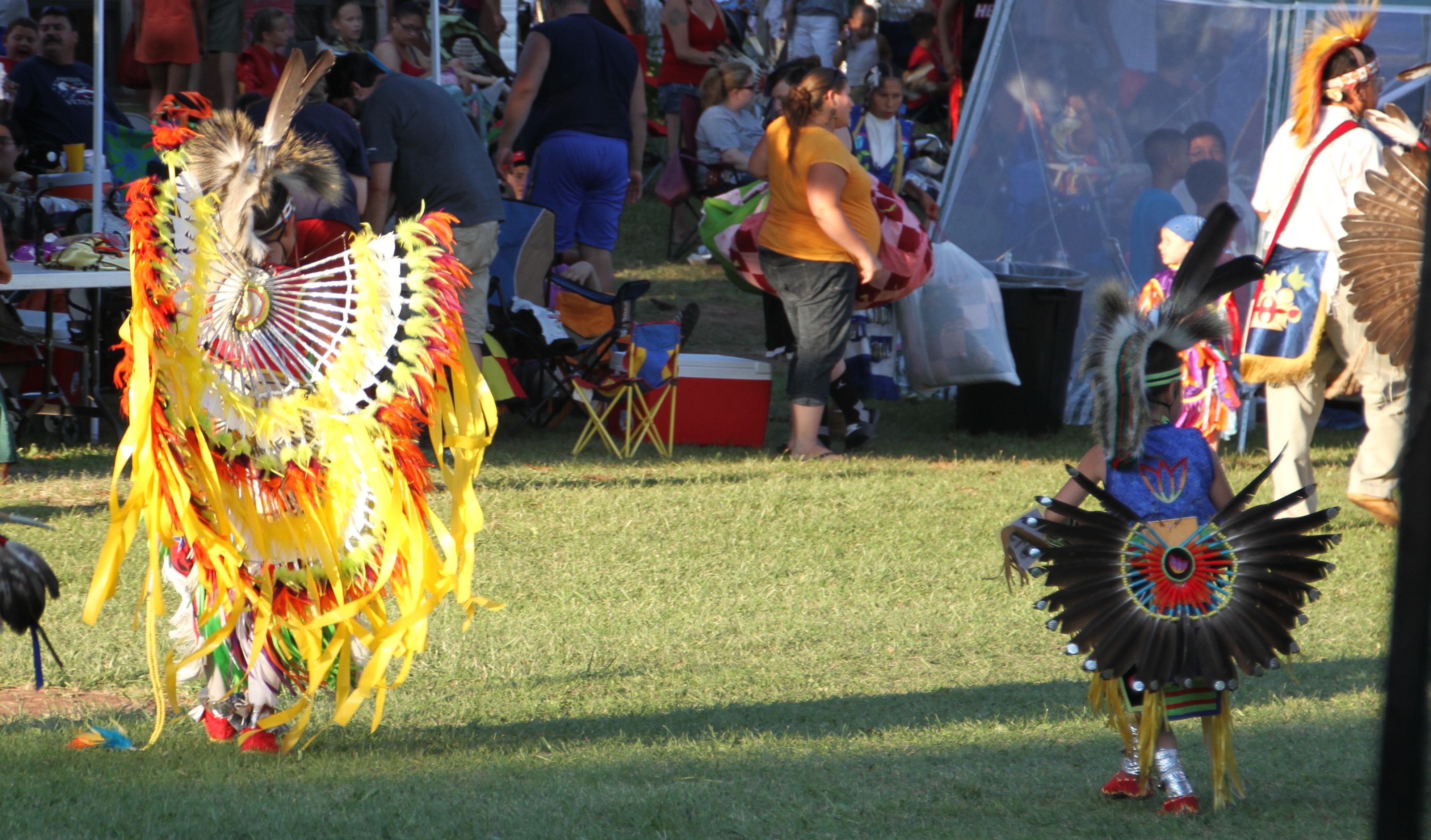
Red Cliff Band of Lake Superior Chippewa
The Ojibwe tell of a migration that began on the Atlantic coast and followed a sacred vision westward -- guided by Gichi Manidoo, the Great Spirit, to find the food that grows on water. That food was wild rice, and the journey ended at Madeline Island in Lake Superior, the final stopping place. Of all the Ojibwe bands in Wisconsin, the Red Cliff Band lives closest to that spiritual center, their reservation occupying the Lake Superior shoreline just north of Bayfield on the Bayfield Peninsula. As of 2010, the band counted 5,312 enrolled members, roughly half living on the reservation and the rest in nearby Bayfield or the Belanger Settlement. Their proximity to Madeline Island is not incidental. It is the defining fact of their identity.
Following Wild Rice to the End of the Journey
The Red Cliff Band descends from the Lake Superior Chippewa, the branch of the Ojibwe nation that migrated west along the south shore of Lake Superior from Sault Ste. Marie. Their oral tradition describes stopping places along the route, each guided by spiritual direction, until they reached Chequamegon Bay and Madeline Island. French fur traders and Jesuit missionaries arrived in the 17th century, establishing a trading post and Catholic mission at La Pointe on Madeline Island. The Ojibwe and French developed an economic relationship centered on the fur trade that would reshape the entire Great Lakes region. By the 18th century, the La Pointe Ojibwe had spread across the mainland of what would become Wisconsin and Minnesota. Those who stayed near Madeline Island became known as the La Pointe Band -- the direct ancestors of today's Red Cliff community.
Chief Buffalo's Choice
In 1850, the federal government attempted to remove the Lake Superior bands from Wisconsin, a forced relocation that ended in the Sandy Lake Tragedy -- a catastrophe in which hundreds of Ojibwe died of disease and starvation while waiting for annuity payments that never came. The disaster generated enough outrage to reverse the removal policy. The Treaty of La Pointe in 1854 established permanent reservations in Wisconsin. At this point, the La Pointe Band faced a choice that split them in two. Chief Buffalo, known as Kechewaishke, led the Roman Catholic members to a reservation at Red Cliff. Those who maintained traditional Midewiwin spiritual practices settled at Bad River. The division was real but not a rupture -- the two bands have maintained close relations to this day, connected by shared ancestry, shared waters, and a shared view of Madeline Island across the channel.
Fish, Timber, and the Fight for Treaty Rights
Life on the early reservation was constrained. Most tribal members worked for white employers in Bayfield, many in the commercial fishing industry that sustained Lake Superior communities. At the turn of the 20th century, the Commission of Indian Affairs permitted lumbering companies to clearcut most of the reservation's timber. Tribal members found work in the logging camps, but the financial profits flowed elsewhere. Through it all, fishing remained central to Red Cliff identity and survival. The landmark 1972 Wisconsin Supreme Court case Gurnoe vs. Wisconsin vindicated a Red Cliff tribal member's right to harvest fish, affirming that treaty-reserved rights still held force. This decision became an important precedent for the broader Voigt decision. During the Wisconsin Walleye War of 1987-1991, when anti-treaty protestors harassed Ojibwe spearfishers at boat landings across the state, Red Cliff member Walter Bresette emerged as a major leader of the treaty-rights movement.
The First Tribal National Park
In 2012, the Red Cliff Band did something no tribe had done before: they established Frog Bay Tribal National Park, the first tribal national park in the United States open to the public. The park protects boreal forest, wetland, and undeveloped Lake Superior coastline on the reservation -- a stretch of shore that development pressure might otherwise have claimed. It was an assertion of sovereignty expressed through conservation, a declaration that the band could protect its own land on its own terms. Today, Red Cliff also operates Legendary Waters Resort and Casino on the Lake Superior shore, runs a fish hatchery, and manages an Ojibwe language immersion program for young children. The band's contemporary artists and musicians carry the culture forward -- tribal member Rabbett Strickland is a prolific visual artist, and Frank Anakwad Montano is an internationally recognized Ojibwe flute maker and guitarist. The reservation covers roughly 23 square miles of land and water, a small territory with an outsized claim on history.
From the Air
Located at 46.9469°N, 90.8722°W on the Lake Superior shoreline of Wisconsin's Bayfield Peninsula, north and northwest of the city of Bayfield. The Red Cliff Reservation covers approximately 23 square miles along the lakeshore. From altitude, the Bayfield Peninsula extends northward into Lake Superior with the Apostle Islands visible to the northeast -- Madeline Island, the Ojibwe spiritual center, is clearly visible across the channel. The reservation's Frog Bay Tribal National Park occupies a stretch of undeveloped shoreline. Legendary Waters Resort and Casino sits directly on the lake. Nearest airport is John F. Kennedy Memorial Airport (KBFW) in Ashland, approximately 20 nm to the southwest. The forested reservation contrasts with the open waters of Lake Superior. Best viewed from 3,000-6,000 feet to appreciate the reservation's relationship to Madeline Island, the Apostle Islands, and the Bayfield Peninsula geography.