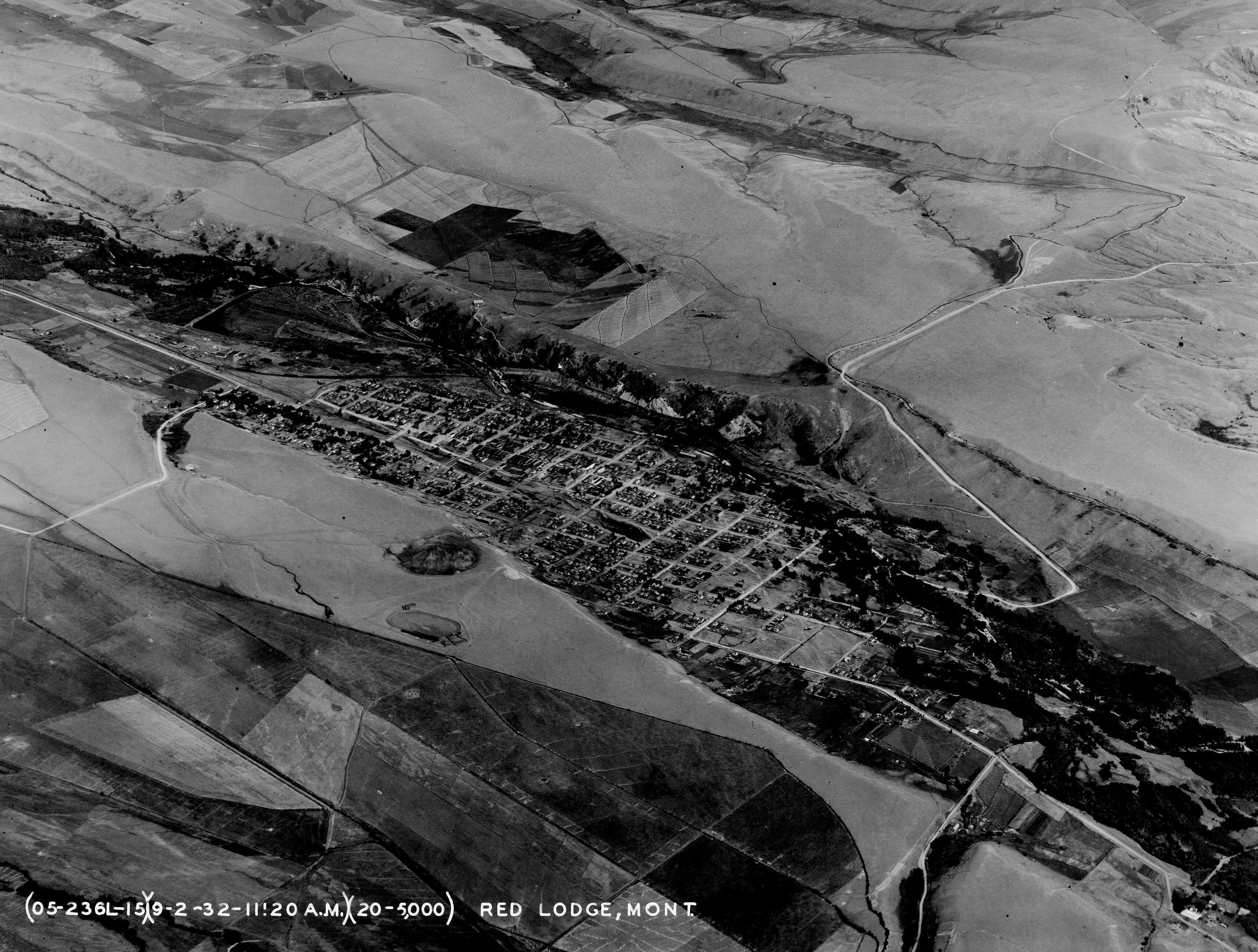
Red Lodge, Montana
During Prohibition, when the mines went quiet and the paychecks stopped coming, the people of Red Lodge found another way to survive. They brewed illegal whiskey in the mountain hollows, labeled the bottles as syrup, and shipped them as far as Chicago and San Francisco. The bootleggers are long gone now, but that stubborn resourcefulness still runs through this small Montana town nestled at the foot of the Beartooth Mountains.
From Crow Country to Coal Camp
The Crow Nation controlled this land when the United States signed a treaty with them in 1851. Gold drew prospectors nearby in 1870, but it was the rich coal deposits found in 1866 that would shape Red Lodge's destiny. After an 1880 treaty opened the area to settlement, the town exploded into existence. By 1889, trains were hauling coal out of the mountains, and by 1896, the town had twenty saloons and a reputation for riotous living. Immigrants poured in from Italy, Finland, Norway, Sweden, Germany, and the British Isles. At its peak in 1915, Red Lodge claimed 6,000 residents, most of them tied to the mines.
Tragedy Underground
On a February morning in 1943, 77 miners descended into Smith Mine #3 near Bearcreek. An explosion ripped through the tunnels. Only three men walked out alive. The disaster killed 74 miners, making it the worst coal mine catastrophe in Montana's history. A memorial in the Red Lodge cemetery honors those lost. The mine closed shortly after, though it would briefly reopen in the late 1970s. Today, the Smith Mine site stands silent, a reminder of the dangerous work that built this community.
The Highway That Saved a Town
When the Great Depression crushed coal prices and shuttered the mines, Red Lodge's population began to drain away. Construction began in 1931 on a road that would change everything: the Beartooth Highway, a 68-mile route climbing through alpine tundra to connect Red Lodge with Yellowstone National Park. When it opened in 1936, the highway transformed Red Lodge from a dying mining town into a tourist gateway. Charles Kuralt once called it the most beautiful drive in America. The road climbs to nearly 11,000 feet, passing glacial lakes and granite peaks before descending into Yellowstone.
A Town Reborn
By the mid-1980s, Red Lodge's population had fallen to about 2,000, and the historic downtown had grown shabby. But the community rebuilt, turning the old commercial district into a destination for cultural tourism. Today, the Red Lodge Commercial Historic District draws visitors with its preserved architecture and mountain charm. The town hosts the national skijoring finals, where skiers are pulled by horses down snow-covered streets. Summer brings fly fishermen to Rock Creek, which flows along the town's eastern edge. Thirty miles to the southwest stands Granite Peak, Montana's highest point at 12,799 feet.
Living with the Mountains
Red Lodge has always existed at the mercy of its landscape. In June 2022, historic flooding devastated the town, reminding residents that the same mountains that draw tourists also channel destructive waters. The Beartooth Mountains rise just south of town, and chinook winds sweeping off the peaks moderate winter temperatures while summer stays cooler than the lower Montana plains. The population still swells from about 1,200 winter residents to over 1,800 in summer as visitors arrive via the Beartooth Highway. John Johnston, the legendary mountain man known as Liver-Eating Johnson, served as Red Lodge's first marshal in 1888. Alice Greenough Orr, an internationally renowned rodeo performer, also called this place home.
From the Air
Red Lodge sits at 45.19N, 109.25W at the base of the Beartooth Mountains. From 5,000-7,000 feet AGL, look for the town at the mouth of a valley with Rock Creek visible along its eastern edge. The Beartooth Highway snakes south toward Yellowstone. Red Lodge Airport (KRED) lies just west of town. Billings Logan International (KBIL) is the nearest commercial airport, about 60 miles northeast. Best visibility in summer; winter conditions can obscure the high country.