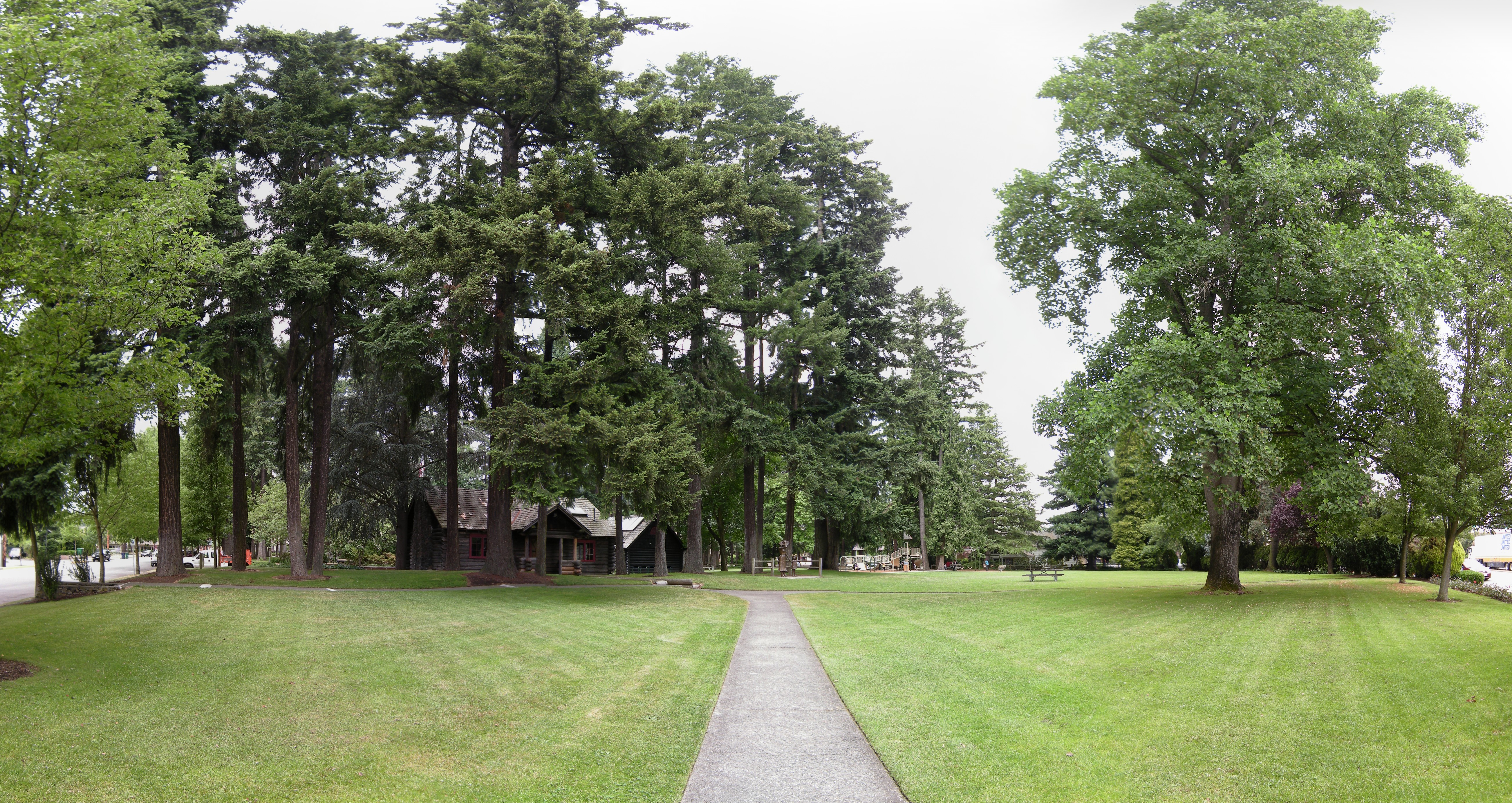
Redmond (Washington)
Two young men who had never finished college rented office space in a small city east of Seattle in 1979. Within a decade, Microsoft had transformed Redmond from a quiet logging community into the epicenter of the personal computer revolution. The transformation seems improbable now, driving past the sprawling campus buildings hidden behind landscaped berms and stands of second-growth forest. This wasn't Silicon Valley with its stark concrete and relentless sunshine. Redmond grew its tech empire under gray skies, along rivers where salmon still run, in a city that proudly calls itself the Bicycle Capital of the Northwest. Today, nearly 75,000 people live here, many of them coding, designing, and building the software that powers computers around the world. Yet the Burke-Gilman Trail still winds through wetlands where herons hunt, and Marymoor Park hosts the only velodrome in Washington State.
The Microsoft Effect
Drive down NE 40th Street through Redmond's Overlake district and you'll pass building after building of the Microsoft campus, a corporate city-within-a-city that employs tens of thousands. The company's arrival fundamentally reshaped everything around it: housing prices, traffic patterns, restaurant menus, even the demographics of local schools. Nintendo of America established its headquarters here too, adding gaming to the tech mix. The wealth generated by these companies funded light rail extensions, bike trail networks, and a downtown renovation that transformed sleepy Redmond Way into something approaching urban vitality. Yet the tech workers who fill these streets at lunch hour often came here precisely because Redmond wasn't Seattle, wasn't San Francisco, wasn't another concrete canyon humming with ambition. They found something different in the evergreen shade.
Trails Through the Trees
Redmond earned its bicycle capital title honestly. The Burke-Gilman Trail runs twenty-seven miles from Seattle's Ballard neighborhood, along the western shore of Lake Washington, then follows the Sammamish River through Redmond to Marymoor Park. The track lies almost completely flat, following the gentle grade of a former railway line, making it accessible to casual riders and families with children. Marymoor Park itself spreads across 640 acres at the north end of Lake Sammamish, offering not just the velodrome but climbing rocks, an off-leash dog park, concert venues, and miles of additional trails. The Sammamish River Trail continues south, connecting eventually to SR-520 and the bridges back to Seattle. Within the city, bike lanes crisscross neighborhoods, though getting into Redmond from neighboring Kirkland requires navigating some challenging arterials.
Flavors of the Eastside
Redmond sits at the heart of the Puget Sound's Indian community, and the influence shows in its restaurant scene. Dozens of establishments serve cuisine from across the subcontinent, from hole-in-the-wall curry houses to upscale dining rooms where tikka masala shares menu space with fusion creations. Chinese restaurants cluster along Redmond Way, their signs glowing red against the perpetually overcast sky. The downtown shopping district mixes national chains with local businesses, anchored by Redmond Town Center with its collection of stores and restaurants. Despite the tech wealth flowing through the city, Redmond maintains a comfortable, suburban feel, more interested in quality of life than nightlife, more focused on bike trails than bar scenes.
Connecting to the World
The Sound Transit 2 Line light rail now reaches downtown Redmond, connecting the city to Bellevue and, via transfer, to Seattle's expanding rail network. This represents a dramatic shift for a region long dominated by the automobile. The Evergreen Point Floating Bridge carries SR-520 across Lake Washington, its toll rates varying by time of day and traffic conditions. Rush hour on the bridge tests patience, but off-peak the crossing takes just minutes. For longer journeys, Seattle-Tacoma International Airport lies thirty minutes south in good traffic. Amtrak stops in Seattle proper, connecting to the national rail network. Despite all these connections, many residents find themselves happiest staying close to home, pedaling the trails that thread through this unlikely intersection of technology, nature, and Pacific Northwest pragmatism.
From the Air
Located at 47.67N, 122.12W on the Eastside of Lake Washington. The Microsoft campus is visible as a large cluster of buildings in the Overlake area. Marymoor Park appears as a large green space at the north end of Lake Sammamish. No commercial airport in Redmond; Seattle-Tacoma International (KSEA) is 22nm southwest. The SR-520 corridor and Evergreen Point Floating Bridge are visible crossing Lake Washington to Seattle.