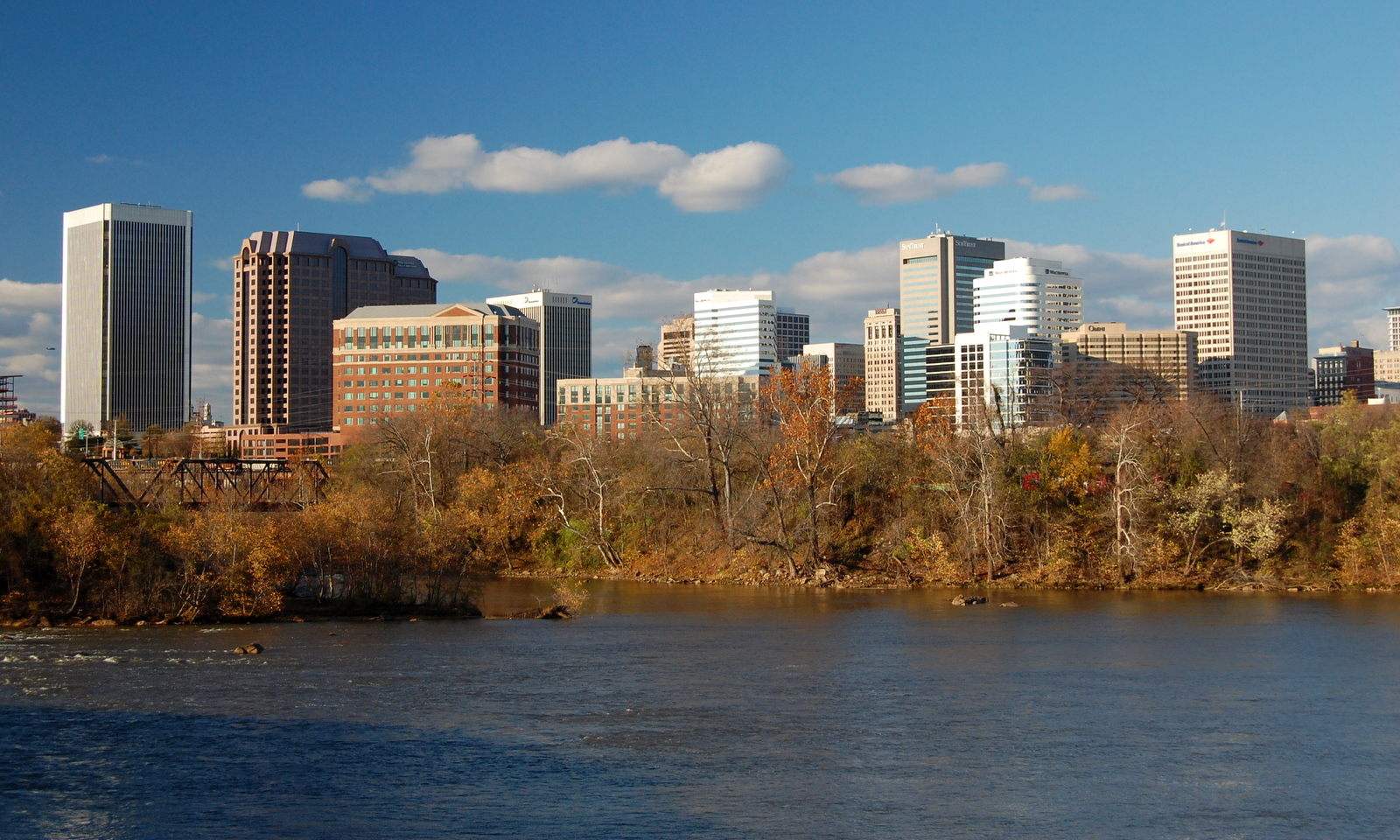
Richmond: The Confederate Capital Now Reckoning With Its Monuments
Richmond was the capital of the Confederacy from 1861 to 1865 - the city Jefferson Davis governed from, that Abraham Lincoln visited hours after its fall, that the Lost Cause mythology later romanticized. For over a century, Monument Avenue displayed bronze heroes of the rebellion: Robert E. Lee, Stonewall Jackson, J.E.B. Stuart, their pedestals telling the story the Confederacy's heirs wanted told. The reckoning began in 2020, when protesters pulled down some statues and the city removed others. Monument Avenue's pedestals now stand empty or removed entirely, the narrative rewritten in real time. Richmond is learning to tell a different story about itself - one where the Confederacy was treason, not heritage, and where the capital of the rebellion acknowledges what the rebellion was for.
The Capital
Richmond became the Confederate capital in May 1861, replacing Montgomery, Alabama. The city's industrial capacity (Tredegar Iron Works supplied Confederate cannons), its railroads, and its proximity to Washington made it strategically essential. The Union spent four years trying to take Richmond; the Confederacy spent four years defending it. When Richmond fell on April 3, 1865, the war effectively ended. Lincoln visited the city the next day, walking streets where enslaved people had been sold, cheered by the newly freed. The Confederate White House is now a museum, telling the story of the failed rebellion from its administrative center.
The Monuments
Monument Avenue was built in the 1890s and 1900s as a Lost Cause shrine - grand bronze statues of Confederate generals on tree-lined boulevard, the message clear: the Confederacy was honorable; its leaders were heroes. The statues remained for over a century, challenged but defended by those who called them 'heritage.' The George Floyd protests of 2020 changed the calculus; protesters toppled the Jefferson Davis statue; the city removed the others. The Lee statue, the largest, was removed in 2021. The empty pedestals remain as monuments to what was there and why it was removed. Richmond is rewriting its public memory.
The Tobacco
Richmond was built on tobacco - the crop that sustained the Virginia colony, that enslaved Africans cultivated, that made fortunes for white plantation owners. The cigarette industry that followed made Richmond a corporate headquarters: Philip Morris (now Altria) remains. The tobacco warehouses were repurposed as apartments and galleries; the economic legacy persists in endowments and institutions. The tobacco that built Richmond killed millions of consumers; the industry that profited fought evidence of harm for decades. Richmond's tobacco heritage is complicated - the source of prosperity and the source of harm, the past that's impossible to separate from the present.
The Arts
Richmond's arts scene has grown beyond Confederate memory. The Virginia Museum of Fine Arts is one of America's largest art museums, free to visit. The Institute for Contemporary Art at Virginia Commonwealth University presents cutting-edge work. The VCU School of the Arts attracts students nationally. The music scene punches above Richmond's weight - the hardcore punk scene of the 1980s (GWAR originated here) evolved into a broader alternative culture. The arts provide Richmond an identity beyond the Civil War, a present that isn't defined solely by the past.
Visiting Richmond
Richmond is served by Richmond International Airport (RIC). Monument Avenue remains worth walking, the empty pedestals telling their own story. The Virginia Museum of Fine Arts is essential and free. The American Civil War Museum at Historic Tredegar presents the war from multiple perspectives. Hollywood Cemetery contains the graves of two presidents (Monroe and Tyler) and 18,000 Confederate soldiers. The Canal Walk follows the James River through downtown. Church Hill offers 19th-century architecture. For food, Richmond's restaurant scene has improved dramatically. The weather is four-season Mid-Atlantic; spring and fall are best.
From the Air
Located at 37.54°N, 77.44°W on the James River at the fall line where navigation ends. From altitude, Richmond appears as urban development along the river - the downtown towers visible, the former industrial areas visible along the river, Monument Avenue traceable by its tree-lined boulevard (the statues no longer visible because they're gone). What appears from altitude as a mid-sized Virginia city is the former Confederate capital - where the rebellion headquartered, where the monuments went up and came down, and where the reckoning with history continues.