Rideau Canal
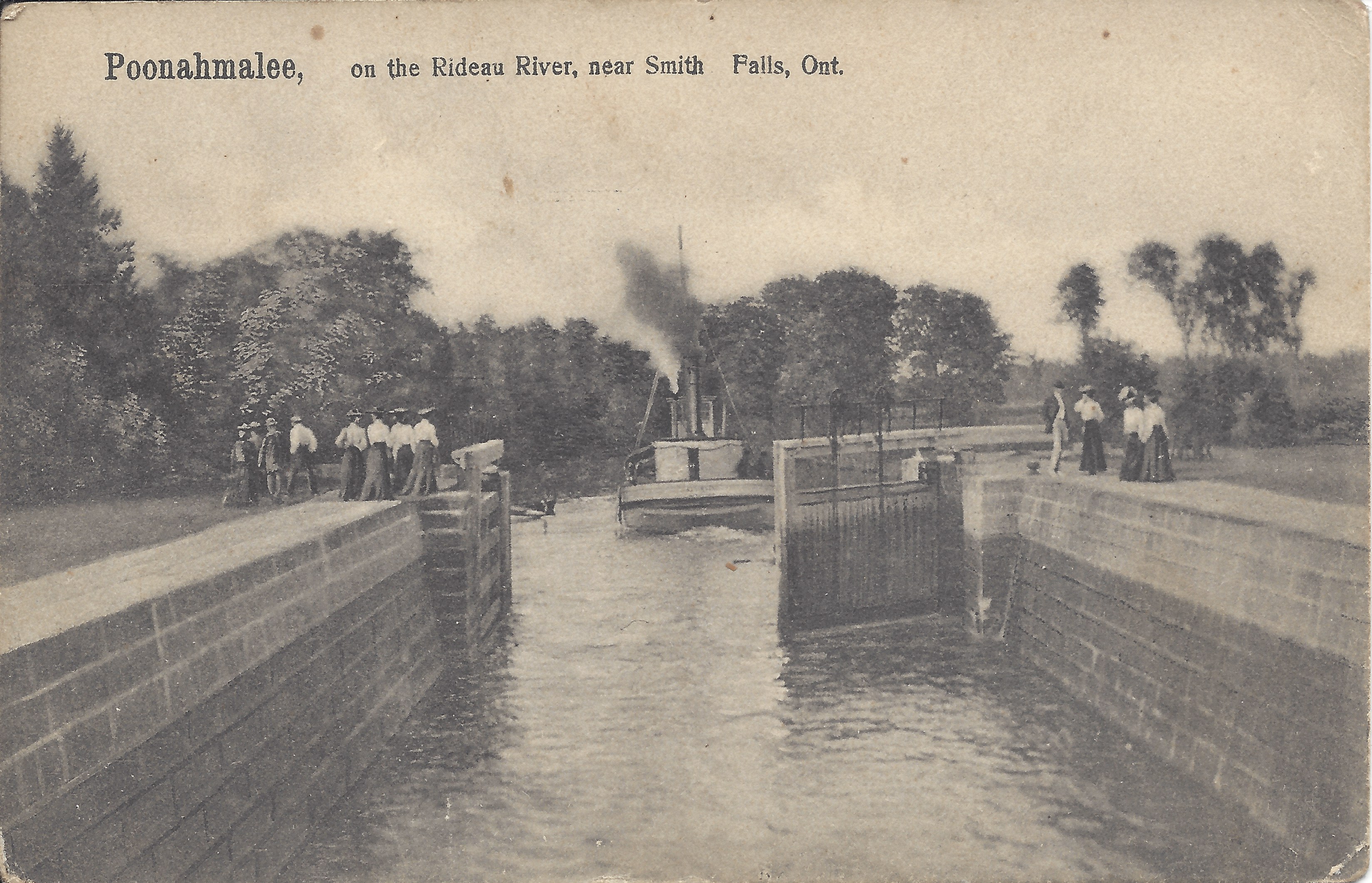
The Rideau Canal was built to lose a war. After the War of 1812, British strategists realized that their supply line along the St. Lawrence River was vulnerable to American artillery. If war came again, they needed an alternate route from Montreal to Kingston, capital of Upper Canada. Lieutenant Colonel John By carved one through 202 kilometers of wilderness, lakes, and swamps - the greatest engineering project in 19th-century North America. The canal opened in 1832. The war never came. The canal never carried military traffic. But it did create Canada's capital: Bytown, the construction headquarters, became Ottawa. Today the canal is a UNESCO World Heritage Site, still operational using its original locks. In winter, a 7.8-kilometer stretch through downtown Ottawa becomes the Rideau Canal Skateway - the world's largest skating rink, where commuters skate to work.
The Threat
The War of 1812 demonstrated British North America's vulnerability. American forces had burned York (Toronto) and nearly captured Kingston. The St. Lawrence River - the only route connecting Montreal to Upper Canada - ran along the American border, within cannon range. British strategists concluded they needed an inland route safe from American guns. The solution was a canal connecting the Ottawa River to Lake Ontario via the Rideau and Cataraqui river systems - a route entirely within British territory. The Duke of Wellington approved the project; Lieutenant Colonel John By was assigned to build it.
The Construction
Building the Rideau Canal was a brutal undertaking. Between 1826 and 1832, thousands of workers - many of them Irish immigrants and French Canadians - carved through 202 kilometers of wilderness. They built 47 locks to raise and lower boats across the terrain. They dammed rivers, flooded valleys, and blasted through rock. The work was done with hand tools, black powder, and animal power. Malaria killed hundreds; the swamps around the canal were deadly. By himself died shortly after returning to England, exhausted by the effort. The canal cost £800,000 - far over budget - but it worked.
The Peace
The war never came. The Rush-Bagot Agreement of 1817 began demilitarizing the Great Lakes; the Webster-Ashburton Treaty of 1842 resolved border disputes. The Rideau Canal never served its military purpose. Instead, it became a commercial highway, carrying passengers, lumber, and freight between Ottawa and Kingston. Steamboats replaced military transports. Towns grew along its banks. The canal contributed to opening the Ottawa Valley, making possible the lumber industry that built fortunes. Ottawa's selection as Canada's capital in 1857 recognized the city that had grown from the canal's construction headquarters.
The Skateway
Each winter, a 7.8-kilometer section of the Rideau Canal through downtown Ottawa becomes the world's longest skating rink. The Rideau Canal Skateway freezes naturally (temperatures help); staff maintain the ice surface. On a good winter day, thousands of skaters travel between the Parliament Buildings and Dow's Lake, passing beneath bridges, past embassies, and by stands selling beaver tails (fried dough). Some commuters skate to work. The Skateway has become an Ottawa icon, featured at Winterlude festival each February. Climate change threatens the tradition - some recent winters haven't been cold enough.
Visiting Rideau Canal
The Rideau Canal runs 202 km between Ottawa and Kingston, Ontario. In Ottawa, the canal passes directly below Parliament Hill, where the Ottawa Locks connect it to the Ottawa River. The Bytown Museum tells the construction story. In summer, boats traverse the canal; the entire journey takes 3-5 days through 45 lock stations. Many locks still operate using the original hand-cranked mechanisms. The canal is a UNESCO World Heritage Site. In winter (January-February, conditions permitting), the Skateway is free and open 24 hours. Skate rentals are available. Ottawa International Airport (YOW) serves the capital. Kingston, at the canal's southern end, is also worth exploring.
From the Air
Located at 45.43°N, 75.70°W, the Rideau Canal runs 202 km from Ottawa to Kingston, Ontario, Canada. From altitude, the canal is visible as a water route threading through Ottawa's urban landscape, then following the Rideau River and Rideau Lakes system southwest to Lake Ontario. In Ottawa, the canal runs directly past Parliament Hill. The system of lakes and connecting channels is visible from above. In winter, the Skateway section appears as a cleared ice surface through downtown. The engineering achievement of connecting natural waterways is evident from the air.