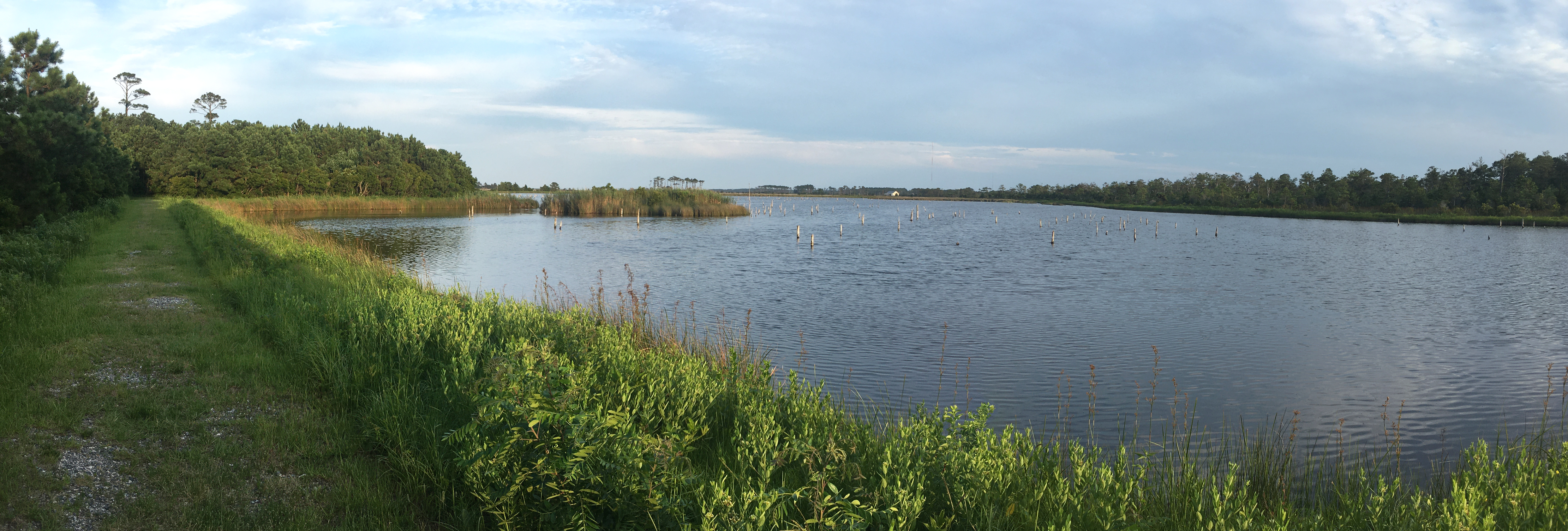
Roanoke Island: America's Oldest Unsolved Mystery
When John White returned to Roanoke Island in 1590, he found the colony he'd left three years earlier completely gone. The buildings were dismantled. The defensive palisade was intact. And carved into a post near the entrance was a single word: CROATOAN. The 117 colonists - men, women, and children, including White's own granddaughter Virginia Dare, the first English child born in America - had vanished. White searched briefly but found nothing; bad weather forced his return to England. No one knows what happened. The colonists were never found. For over 400 years, the Lost Colony of Roanoke has remained America's oldest unsolved mystery.
The Colony
Roanoke was England's second attempt to establish a New World presence - the first, a military outpost in 1585, had lasted only a year. The 1587 colony was different: families, not soldiers, including pregnant women who would give birth in the new land. They arrived in July, resupplied by their ship, and immediately faced problems. The local Croatoan people were friendly; the Secotan, hostile. Food was scarce. Relations with indigenous tribes were tense from previous English brutality. Governor John White left in August to fetch supplies from England. He planned to return quickly. The Spanish Armada and war intervened. Three years would pass before he could come back.
The Disappearance
John White landed at Roanoke on August 18, 1590 - his granddaughter's third birthday. The colony was empty. Houses had been taken apart, their materials apparently salvaged. The palisade showed no signs of attack. Personal possessions were scattered but not evidence of violence. Carved into a post was 'CROATOAN'; carved into a tree was 'CRO.' White had arranged a signal with the colonists: if they left voluntarily, they'd carve their destination; if under duress, they'd add a cross. No cross was carved. The Croatoan were the friendly tribe from nearby Hatteras Island. Logic suggested the colonists had gone there. White attempted to reach Hatteras; storms prevented him. He returned to England. No English expedition ever followed up.
The Theories
Four centuries of speculation have produced no consensus. The colonists may have assimilated into Croatoan or other tribes - some later accounts describe indigenous people with European features, speaking English words. They may have moved inland, perhaps to the Chesapeake, where hostile tribes might have killed them before Jamestown colonists arrived in 1607. They may have died of disease or starvation. They may have attempted the journey to England in small boats and perished at sea. Archaeological digs have found English artifacts at Croatoan sites on Hatteras Island. DNA studies continue. The truth, whatever it was, left no definitive trace.
Virginia Dare
Virginia Dare, born August 18, 1587, was the first English child born in the Americas. She was nine days old when her grandfather John White left for England. She was not quite three when he returned to find her gone. Her name has accumulated mythology: a romanticized symbol of English colonization, the subject of novels and plays, commemorated in county names and wine labels. Of the actual infant, nothing is known after August 1587. She may have survived among the Croatoan, grown to adulthood, had children. She may have died in infancy. The first English American exists only in the mystery of her disappearance.
Visiting Roanoke Island
Roanoke Island is located in northeastern North Carolina's Outer Banks, accessible via Highway 64 from Manteo or Nags Head. Fort Raleigh National Historic Site preserves the reconstructed earthwork fort and the approximate colony location. The Lost Colony outdoor drama, running since 1937, performs summer nights at the Waterside Theatre. The Elizabethan Gardens offer formal landscaping in period style. The Roanoke Island Festival Park includes a replica 16th-century sailing ship and living history programs. Manteo, the island's town, offers restaurants, galleries, and the Roanoke Marshes Lighthouse. The experience invites contemplation of an enduring mystery - 117 people who came to start a new life and vanished into a single carved word.
From the Air
Located at 35.87°N, 75.67°W in Roanoke Sound, between the Outer Banks barrier islands and the North Carolina mainland. From altitude, Roanoke Island appears as a wooded island roughly 8 miles long, connected by causeway to the mainland and the Outer Banks. The town of Manteo clusters at the northern end. Fort Raleigh National Historic Site occupies the island's northern shore, though the exact colony location remains uncertain. Albemarle Sound spreads to the west; the Atlantic is visible beyond the barrier beaches. What appears from altitude as a quiet island in the Carolina sounds is the site of America's first mystery - where 117 colonists vanished in the three years their governor was away, leaving only a word carved in wood.