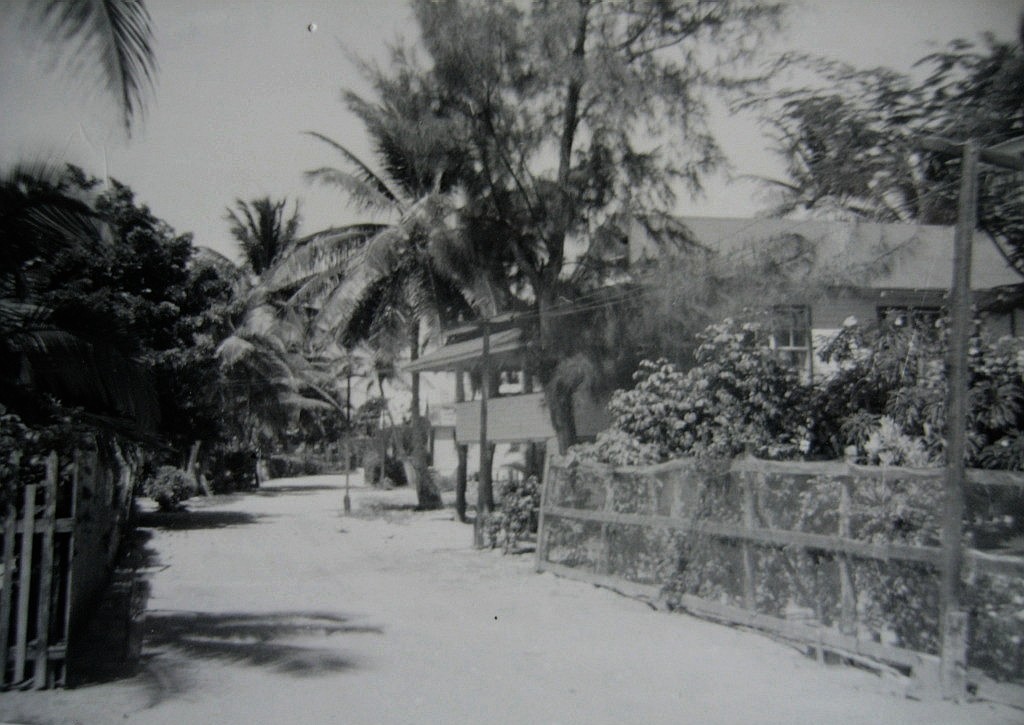
Roatan
The paved road runs out somewhere past Oak Ridge, turning to dirt as it threads toward Camp Bay and the eastern settlements that feel like a different country from the cruise-ship terminals at Coxen Hole. Roatan, the largest of Honduras's Bay Islands, is an island of contradictions -- forty miles of exposed ancient coral reef rising 270 meters above the Caribbean, home to 110,000 people and the second-largest barrier reef in the world, yet still a place where you can kayak through mangrove channels without seeing another soul. The western end draws thousands of cruise passengers on any given day; the eastern end has a restaurant called Asylum that feels like the last outpost before the edge of the map.
Two Islands on One Reef
West Bay claims the best beach on the island -- powder-white sand maintained with resort-town precision, the reef a short swim offshore. West End, just up the road, is where the fun lives: bars, live music, and a nightly pub crawl that starts at Sundowners for sunset cocktails, migrates to the Purple Turtle for live music at ten, then funnels into the Nova Bar after midnight. Locals and expats pack these places until the small hours. But cross the midpoint at French Harbor and the character shifts. Oak Ridge is a small fishing village with brightly colored wooden houses on stilts along the shoreline. Camp Bay Beach, the largest natural beach in all the Bay Islands, sits at the end of a long dirt road, served by a single resort. Port Royal, at the far eastern tip, was founded by English pirates. The island holds both worlds without apparent strain.
The Reef and What Lives There
Roatan sits adjacent to the Mesoamerican Barrier Reef, the largest in the Caribbean and second only to Australia's Great Barrier Reef globally. For decades the island was a secret among divers -- world-class wall dives, coral gardens, and marine life accessible from dozens of dive shops in West End alone. Anthony's Key Resort offers dolphin dives; Waihuka in Coxen Hole runs shark dives. Swim two hundred meters straight out from West End toward the white buoys and you drop onto a reef at ten to thirty feet, then hit the wall where the bottom falls away into blue-black depth. A yearly fishing tournament each September draws over 65 boats for catch-and-release marlins, barracudas, tuna, and wahoo. The reef is why Roatan exists as a destination. Everything else -- the zip lines through jungle canopy, the iguana farm near French Harbor, the Carambola Botanical Gardens in Sandy Bay -- is built on the foundation of that underwater world.
Three Languages, Two Currencies, One Island
English, Spanish, and Garifuna are all spoken on Roatan, reflecting layers of colonial and cultural history. English is the native language of islanders descended from British settlers and African communities -- a legacy of centuries when the Bay Islands changed hands between Spain and Britain. The Garifuna people of Punta Gorda speak their own language, descended from the Kalipuna peoples of St. Vincent who were forcibly relocated to the Bay Islands by the British in 1797. Spanish arrived with mainland Hondurans and is the official language of the school system. Most residents are bilingual. The U.S. dollar is accepted everywhere, though change comes back in Honduran lempiras. When cruise ships dock, prices for everything from taxi rides to lobster dinners double or quadruple, then settle back to normal once the ships depart. A lobster dinner runs about ten dollars on a quiet evening.
The Cruise Ship Paradox
Around 2005, the cruise lines found Roatan. Princess, Royal Caribbean, Carnival, and Norwegian now bring ships to Mahogany Bay and Coxen Hole, depositing thousands of passengers who flood West Bay for a few hours before retreating behind their gangways. The private beach compound at Mahogany Bay sits beside two rusting shipwrecks, a surreal backdrop that cruise staff discourage passengers from leaving. Prices spike on ship days, and the beaches that were once the domain of backpackers and long-term divers become shoulder-to-shoulder expanses of rented loungers. Yet the ships also brought infrastructure investment, airline routes, and a broader awareness that filled hotels year-round. Roatan's challenge is the same one facing Caribbean islands everywhere: how to capture tourism revenue without letting it hollow out the culture that made the place worth visiting. The eastern end, past the point where the pavement ends, remains the island's best answer to that question.
From the Air
Located at 16.38N, 86.42W, Roatan is the largest of Honduras's Bay Islands, stretching roughly 40 miles in an east-west orientation. Juan Manuel Galvez International Airport (MHRO) at Coxen Hole serves the island with direct flights from Houston, Atlanta, and other U.S. cities. The Mesoamerican Barrier Reef runs parallel to the island's northern shore and is clearly visible from 3,000-5,000 feet AGL as a turquoise-to-dark-blue color transition. West Bay and West End are at the far western tip; the undeveloped eastern end with Camp Bay and Port Royal offers a visual contrast from altitude. La Ceiba (MHLC) on the mainland is approximately 40 miles to the south.