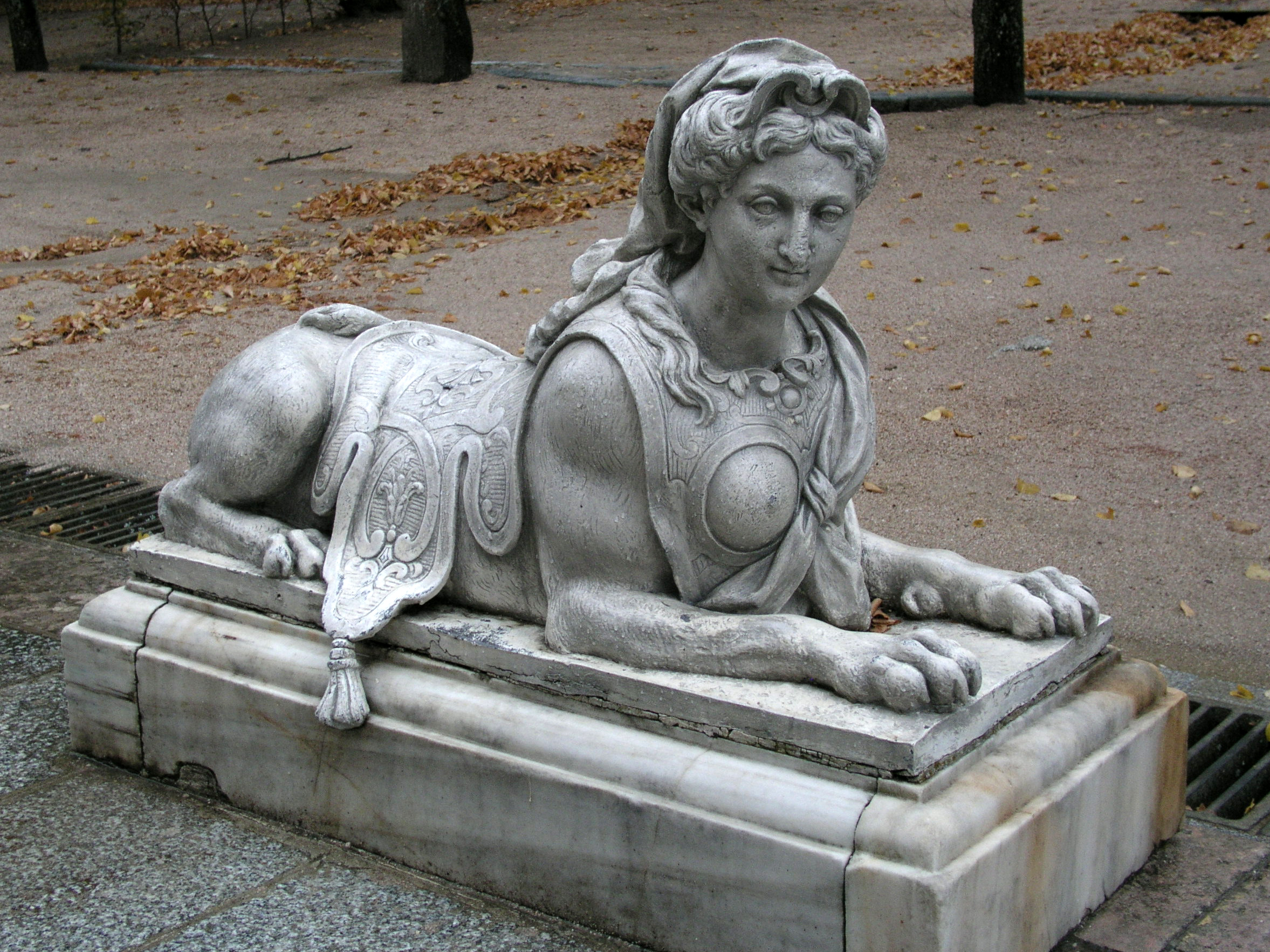
Royal Palace of La Granja de San Ildefonso
"It has cost me three millions and amused me three minutes." Philip V of Spain, the chronically depressed first Bourbon king, said this about the Baths of Diana fountain at La Granja -- a remark that captures both the extravagance and the melancholy that permeate this palace. Built in the hills near Segovia as a personal retreat modeled on the Versailles of his grandfather Louis XIV, La Granja became something Philip never intended: the summer seat of Spanish royal government for over a century, a place where treaties were signed, weddings celebrated, and political exiles confined behind beautiful walls.
From Monastery Farm to Royal Ambition
The site had been a hunting ground for Castilian kings since the fifteenth century, when Henry IV built a lodge and a small shrine to Saint Ildephonsus of Toledo on the forested northern slopes of the Sierra de Guadarrama. Isabella I later gave both buildings to the monks of the Santa Maria del Parral monastery in Segovia, who developed a working farm -- a granja -- alongside them. In 1719, after fire destroyed his nearby summer Palace of Valsain, Philip V purchased the property from the monks. He was the first Spanish king from the French Bourbon dynasty, and he ached for something that reminded him of home. Beginning in 1721, he commissioned a new palace and gardens modeled directly on Versailles, complete with a cour d'honneur, formal gardens on a central axis, and woodland concealing hidden garden features.
A Retreat That Became a Capital
Philip intended La Granja as a place to abdicate to. When he stepped down in 1724, this is where he planned to live out his days in quiet retreat. But his heir, Louis I, died that same year, and Philip was forced back onto the throne. The secluded palace suddenly became a center of royal government. The town of San Ildefonso expanded rapidly -- military barracks, a collegiate church designed by Teodoro Ardemans and dedicated in 1723, and a royal glass factory established in 1728 all sprang up to serve the court. The glassworks, which produced fine Venetian-style glass through the late eighteenth century, continue today as a subsidiary of Saint-Gobain. Philip chose the palace church as his burial site, breaking with his Habsburg predecessors, and the frescoes inside by Giambattista Tiepolo and Francisco Bayeu survived until a devastating fire in 1918 damaged much of the palace interior.
Gardens of Lead and Gravity
The 1,500-acre gardens are the real spectacle. Designed by Rene Carlier from the offices of Robert de Cotte, they exploit the natural slope of the terrain to power twenty-six sculptural fountains entirely by gravity -- no pumps, then or now. Water collects in a reservoir called El Mar at the highest point of the landscape park and feeds the entire system through the original eighteenth-century piping. The Fame fountain shoots water to a height of 40 meters. Sculptors arrived from Paris to execute the fountain figures: Rene Fremin, Jean Thierry, and Jacques Bousseau led teams who worked between 1720 and 1745, casting mythological scenes in lead and painting them to simulate bronze or marble. In a detail that delights, twelve dromedaries were shipped from the Royal Palace of Aranjuez in 1736 to help with reservoir construction -- over the protests of the royal accountant. The last dromedary died in 1740.
Splendor, Exile, and What Remains
For 120 years after Philip's death, La Granja served as the court's main summer palace, hosting royal weddings, state treaties, and the confined exile of Elisabeth Farnese, Philip's second wife, whom Ferdinand VI effectively banished here to keep her away from Madrid politics. She maintained a considerable court until her death in 1766. By the 1880s, however, the royals preferred seaside palaces in the Basque Country, and La Granja fell into disuse. The 1918 fire destroyed much of the interior decoration. Today, the palace belongs to Spain's Patrimonio Nacional and is open to the public, its rooms displaying Carrara marble, Japanese lacquerware, crystal chandeliers, and a museum of Flemish tapestries. Only a few fountains run on any given day, but twice a year -- on the feast days of San Fernando and San Luis -- all twenty-six are set to jet simultaneously, and the gravity that powered them three centuries ago still does the work.
From the Air
Located at 40.90N, 4.00W on the northern slopes of the Sierra de Guadarrama, about 80 km north of Madrid and 11 km southeast of Segovia. The palace and its extensive formal gardens are clearly visible from the air, set against dense mountain forest. Nearest airport is Segovia (no major commercial field; Madrid-Barajas LEMD is approximately 90 km south). Elevation roughly 1,190 m. Best viewed at 3,000-6,000 ft AGL to see the garden layout, fountains, and El Mar reservoir in context against the mountain slopes.