Ryūgakuji Kofun Cluster
One hundred fourteen burial mounds line a narrow plateau above what was once the northeastern shore of Lake Inbanuma, stretched in strips from northwest to southeast for a kilometer and a half. The Ryugakuji Kofun Cluster, straddling the boundary between the town of Sakae and the city of Narita in Chiba Prefecture, is the largest gathering of kofun -- ancient Japanese burial tumuli -- in the entire Kanto region. Designated a National Historic Site of Japan in 1941, with its protected area expanded in 2009, the cluster preserves a burial tradition that persisted here for over a century, from the late sixth century through the end of the seventh, long after Buddhism had arrived and supposedly rendered the old mound-building customs obsolete. The dead, it seems, were not so easily converted.
A Plateau of the Dead
The Shimosa Plateau sits about 30 meters above sea level, and the kofun crowd its narrow spine in dense strips. Of the 114 confirmed tumuli, the forms tell a story of evolving burial customs: keyhole-shaped mounds 20 to 30 meters long, dome-shaped mounds with diameters of 10 to 20 meters, scallop-shaped mounds, and one massive square monument. Many more may have been destroyed by road construction and urban encroachment over the centuries, and others likely remain undiscovered beneath the soil. More than 70 percent of the surviving mounds sit on prefectural land, which has helped preserve them. Haniwa -- the distinctive terracotta figures and cylinders placed on and around kofun -- have been found at only 16 of the tumuli. The vast majority of the mounds remain unexcavated, their contents still sealed beneath centuries of accumulated earth and silence.
The First and the Last
The oldest mound in the cluster is believed to be the scallop-shaped Kofun No. 101, dated to the second quarter of the sixth century based on the style of haniwa recovered there. The later mounds concentrate in the northeast corner of the site, and among them is the Sengenyama Kofun, thought to be the last kofun ever built in all of Chiba Prefecture. This span of over a century reveals something remarkable: the people of this plateau continued building burial mounds well into the Hakuho period, even as Buddhism was establishing temples nearby. The ruins of the Buddhist temple Ryukaku-ji stand close to the cluster, evidence that the two traditions -- the old earthen burials and the new imported faith -- coexisted here, side by side, for generations before the mounds finally stopped rising.
The Step Pyramid of Iwaya
Kofun No. 105, known as the Iwaya Kofun, dominates the cluster. It is a square-sided tumulus roughly 78 meters on each side, constructed in three ascending tiers that give it the appearance of a step pyramid -- a form startlingly reminiscent of structures from entirely different civilizations thousands of miles away. At 13 meters tall, it is the largest mound in the cluster. Inside sit two lateral-type stone-lined burial chambers built from blocks of soft limestone packed with fossilized shells. A double moat once encircled the entire structure, enclosing an area measuring 108 meters east to west by 96 meters north to south. But the entrance has stood open since the Edo period, and over those centuries, any grave goods were long ago removed. The Iwaya Kofun is a monument stripped to its architecture, impressive for its scale alone.
What the Mounds Still Hold
Some of the larger mounds in the cluster contained more than one burial chamber, suggesting reuse across generations -- families returning to the same earthen monument to inter successive members. Others were repurposed for a new burial well after their original construction. These details hint at a society where the mounds were not merely tombs but active features of the landscape, revisited and repurposed as communities changed. Artifacts recovered from excavated sites are displayed at the Chiba Prefectural Boso Mura no Fudoki no Oka Museum, a five-minute walk from the Fudoki no Oka Kitaguchi bus stop. The collection includes haniwa figures, stone chamber fragments, and other objects that give material substance to a period that left its mark primarily in shaped earth.
From the Air
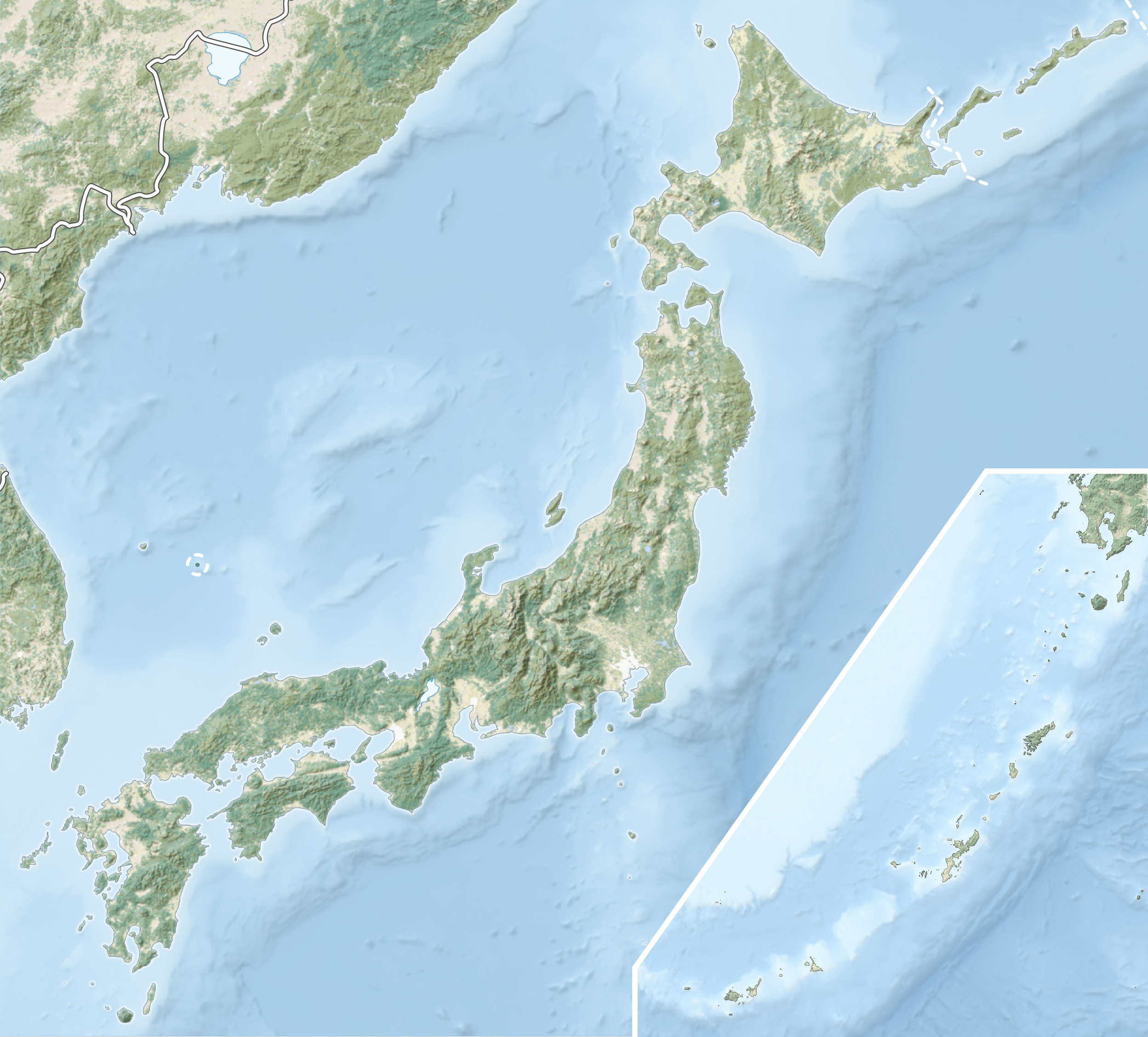
Located at 35.821°N, 140.277°E on the Shimosa Plateau between the town of Sakae and Narita city, Chiba Prefecture. From the air at 2,000-3,000 feet, the cluster appears as a series of raised earthen forms along a narrow ridge above the former lakeshore of Inbanuma. The Iwaya Kofun (No. 105) is the most distinctive feature -- a large square platform with visible moat traces. Nearest airport: Narita International Airport (RJAA), approximately 5 km to the southeast. The adjacent Fudoki no Oka museum grounds provide additional reference for locating the site.