Sacramento: The California Capital in Gold Rush Country
Sacramento is California's capital and California's afterthought - the inland city that LA and San Francisco residents barely acknowledge, the government town in a state where entertainment and tech get the attention. The city of 525,000 sits at the confluence of the Sacramento and American rivers, 90 miles from San Francisco, roasting in Central Valley heat while the coast enjoys fog. Sacramento was the destination for Gold Rush miners, the western terminus of the Transcontinental Railroad, the launching point for Pony Express riders. The history is significant; the contemporary profile is modest. Sacramento runs California while California looks elsewhere.
The Gold
James Marshall discovered gold at Sutter's Mill on January 24, 1848, 40 miles east of Sacramento. The rush that followed made Sacramento the supply center for miners heading to the hills - the place to buy equipment, file claims, and stake fortunes. John Sutter, who owned the land where gold was discovered, was ruined by the rush; the miners overran his properties and ignored his claims. Sacramento survived the chaos to become California's capital in 1854, chosen for its central location in a state that stretched from Oregon to Mexico. The Gold Rush created California; Sacramento organized it.
The Railroad
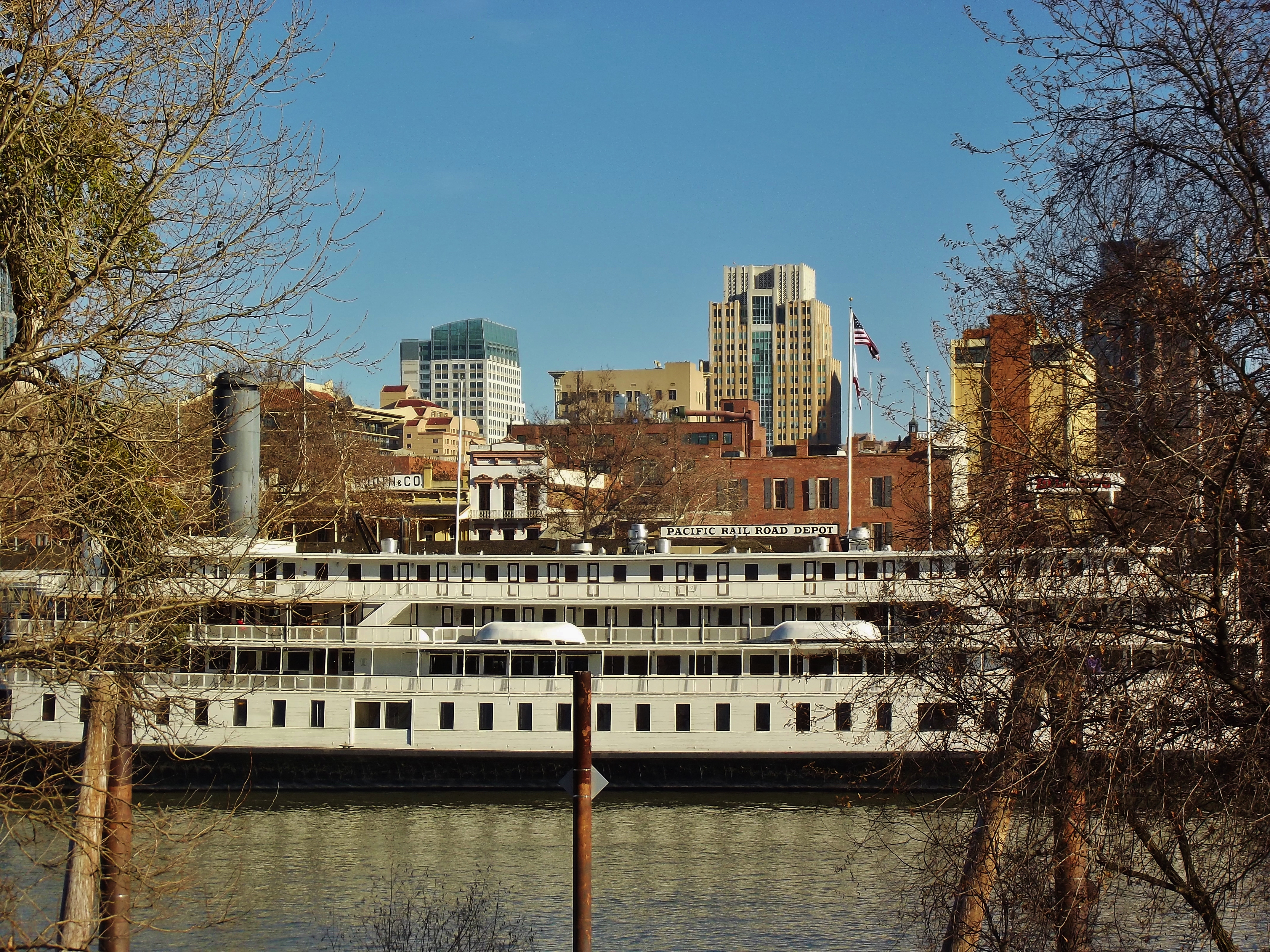
The Central Pacific Railroad - the western half of the Transcontinental Railroad - broke ground in Sacramento on January 8, 1863. The 'Big Four' who financed and built it (Stanford, Huntington, Crocker, Hopkins) became California's railroad barons, their fortunes building Stanford University and Huntington Library. The railroad reached Promontory Summit in 1869, connecting Sacramento to the East. The California State Railroad Museum in Old Sacramento documents the history - the engines, the construction, the Chinese laborers who built the Sierra tunnels. Sacramento's railroad heritage explains why the city exists and why it mattered.
The Government
California's state government is Sacramento's primary industry - the Capitol, the agencies, the lobbying infrastructure that the world's fifth-largest economy requires. The legislators and staffers populate the restaurants near the Capitol; the lobbyists occupy the surrounding offices; the government workers commute from suburbs. Sacramento is to California what Springfield is to Illinois or Albany to New York - the capital that actual power considers a temporary posting. The dysfunction of California politics plays out here; the decisions that affect 40 million people are made by people who'd rather be elsewhere.
The Heat
Sacramento's summer is brutal - 100-degree days are routine from June through September, the Central Valley heat that the coast escapes. The rivers provide relief; the American River Parkway offers 32 miles of trails along the water. Air conditioning is survival rather than luxury. The heat explains why Sacramento remained modest while coastal California exploded - the inland valley was where you went if you couldn't afford the coast. The affordability that resulted is disappearing as Bay Area refugees flee high prices, bringing the housing crisis inland.
Visiting Sacramento
Sacramento is served by Sacramento International Airport (SMF). Old Sacramento preserves the Gold Rush-era waterfront - wooden sidewalks, historic buildings, the Railroad Museum. The Capitol building offers tours of the restored historic chambers. The Crocker Art Museum is California's oldest art museum. The American River Parkway provides outdoor escape. Sutter's Fort State Historic Park preserves the pre-Gold Rush settlement. For food, the farm-to-fork movement has found natural home in agricultural Sacramento. The heat is serious May through September; spring is ideal. Sacramento rewards visitors who aren't comparing it to San Francisco.
From the Air
Located at 38.58°N, 121.49°W at the confluence of the Sacramento and American rivers in California's Central Valley. From altitude, Sacramento appears as urban development in the flat valley - the rivers converging, the Capitol visible, the agricultural land extending in all directions. The Sierra Nevada rise to the east; the coast ranges lie to the west. What appears from altitude as California's interior capital is Gold Rush headquarters - where the Transcontinental Railroad began, where state government convenes, and where the Central Valley heat distinguishes it from coastal California.