The Levee Line
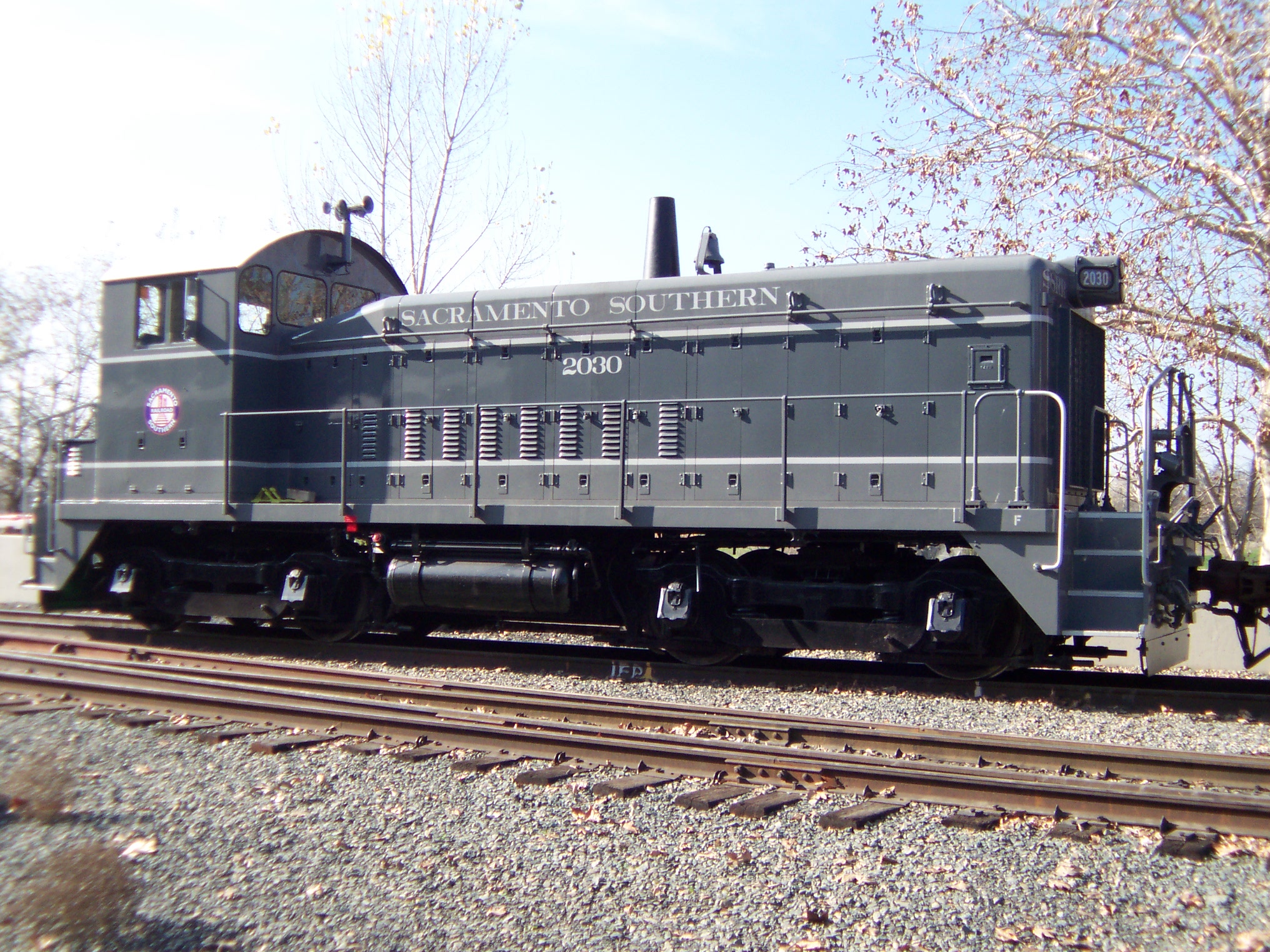
The whistle sounds on a Saturday morning in Old Sacramento, and a locomotive older than most of the passengers' grandparents begins to roll south along the river levee. This is the Sacramento Southern Railroad -- not a replica or a reenactment, but actual trains running on actual track that was laid more than a century ago. The line exists today because a museum refused to let it disappear, rescuing the rails from abandonment just as the last freight cars stopped running.
A Branch Through the Delta
Southern Pacific incorporated the Sacramento Southern Railroad in 1903 as a subsidiary to serve the agricultural communities strung along the Sacramento River south of the capital. Construction stretched from 1906 to 1912, though the first trains began operating in 1909 before the full line was complete. When finished, it ran 24.3 miles from Sacramento to Walnut Grove, threading through Freeport and hugging the river's east bank. The line extended to Isleton by 1929 and pushed another three miles to the Mokelumne River by 1931. It was never a glamorous route. This was a working railroad, hauling produce from the Delta's rich farmland and delivering supplies to river towns that were easier to reach by rail than by the muddy roads of the era.
Merged, Absorbed, Forgotten
The Sacramento Southern was merged into the Central Pacific Railroad in 1912, and from there it passed into the sprawling Southern Pacific system. Passenger service ended in 1932, a casualty of improving roads and the automobile's growing dominance in California's Central Valley. Freight carried on for decades, but by the 1970s the economics had shifted decisively. Southern Pacific filed with the Interstate Commerce Commission to abandon the line and did so on October 10, 1978. The track remained, but without trains or maintenance it was headed for the scrapper.
A Museum Steps In
The California State Railroad Museum, already taking shape in Old Sacramento as one of the most ambitious railroad preservation projects in the country, saw an opportunity. Around the time of Southern Pacific's abandonment, the museum began acquiring the rail property along the levee. By 1982, excursion trains were running again -- not for freight or commuter service, but to give passengers the experience of riding behind historic locomotives along the Sacramento River. The museum's collection provided the rolling stock, and the levee-top right-of-way provided something no new heritage railroad could easily replicate: a route with genuine history, genuine scenery, and a genuine connection to the Delta landscape.
Riding the Levee Today
The excursion runs south from the museum property in Old Sacramento State Historic Park, climbing onto the river levee where the tracks offer views across the Sacramento River floodplain. A brief freight revival served local industries via an interchange with Union Pacific, but the last customer on the line shut down in the mid-2010s, and commercial traffic has gone quiet again. The heritage operation remains the railroad's purpose now. Future plans call for extending excursion service southward into the Sacramento-San Joaquin River Delta, which would open up one of California's most distinctive and least-visited landscapes -- a labyrinth of waterways, levees, and islands where the state's two great rivers converge before emptying into San Francisco Bay.
From the Air
Located at 38.571N, 121.514W, along the east bank of the Sacramento River south of Old Sacramento. The railroad tracks follow the river levee and are visible as a thin line paralleling the waterway. Sacramento Executive Airport (KSAC) is about 3 miles southeast; Sacramento International (KSMF) is 11 miles northwest. The California State Railroad Museum complex in Old Sacramento marks the northern terminus. Best viewed at 1,500-3,000 feet AGL for the levee alignment; the Sacramento-San Joaquin Delta landscape opens up to the south.