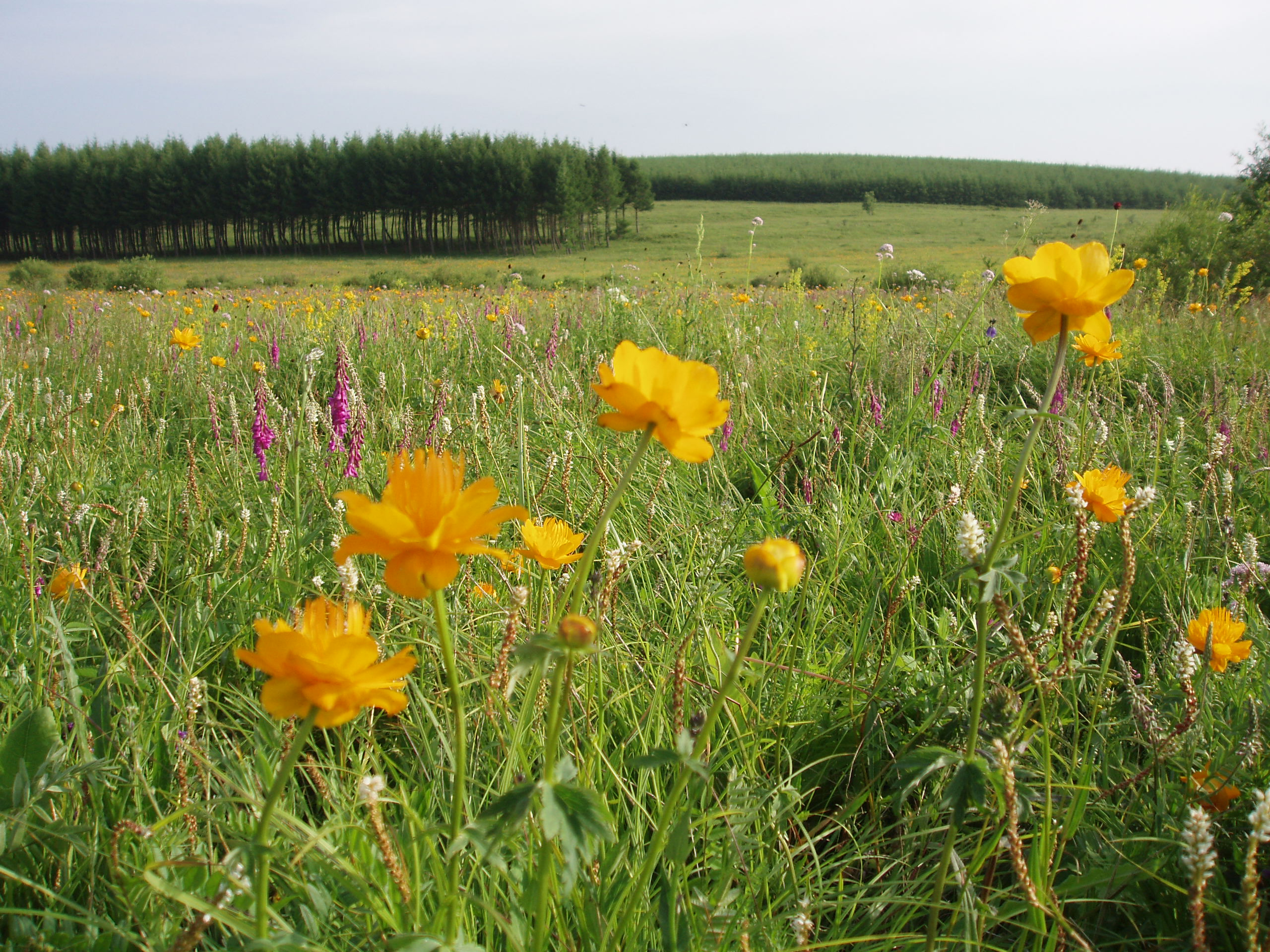
Saihanba National Forest Park
Snow can fall here in August. It can also fall in June. For seven months of the year, the high plateau at the edge of Inner Mongolia is blanketed in white, with average annual temperatures hovering just above freezing at 1.3 degrees Celsius. That anything grows here at all is remarkable. That 200 square kilometers of dense forest now cover what was, sixty years ago, a barren desert plagued by sandstorms -- that is one of the great reforestation stories of the modern world.
From Imperial Hunting Grounds to Wasteland
Saihanba's story begins with abundance. During the Liao dynasty in the 10th century and the Jin dynasty after it, emperors used this landscape as a hunting ground. In 1681, the Kangxi Emperor established the Mulan Paddock here, a vast imperial hunting reserve where the court would pursue game across grasslands and forests. For nearly two centuries, the ecosystem held. Then in 1863, the Qing government opened the land to farming. Settlers cleared forests and drained wetlands to plant crops. Within decades, Saihanba had become what its earlier stewards would not have recognized: a barren expanse of sand and scrub, stripped of the vegetation that had anchored its soil. Sandstorms that had been contained by forests now swept south unimpeded, choking Beijing, Tianjin, and other cities across northern China with grit and dust.
The First Planters
In 1962, the State Forestry Administration made a decision born of necessity rather than idealism. To halt the sandstorms devastating northern China, it established the Saihanba Mechanical Forest Farm at the edge of the Inner Mongolian Plateau. The first generation of tree planters arrived to a landscape of wind-scoured earth and brutal winters, armed with seedlings and machinery that often failed in the extreme cold. Progress was measured in years, not months. Entire plantings would die in a single harsh season, and the planters would begin again. Gradually -- across decades, through the work of three generations of foresters who made this desolate plateau their life's work -- the trees took hold. Spruce, birch, and larch pushed roots into sandy soil that had not supported trees in living memory. By 1993, the reforested land was designated a National Forest Park. By 2007, it earned National Nature Reserve status.
The Green Lung Breathes
Today, Saihanba is called the Green Lung of North China, and the name is more than metaphor. The 200-square-kilometer forest park hosts over 618 species of vascular plants and supports 261 species of mammals, 39 species of birds, 32 species of fish, and roughly 660 species of insects. Qixing Lake, Taifeng Lake, and Moon Lake dot the landscape, their waters held in place by root systems that did not exist two generations ago. The Saihan Tower offers panoramic views across a canopy that stretches to the horizon in every direction. At the headwaters of the Luan River, you can stand where the water begins its journey south toward Tianjin and the Bohai Sea -- water that runs clearer now because the forests above hold the soil in place.
Champions of the Earth
On December 5, 2017, the United Nations Environment Programme awarded the Saihanba Afforestation Community its Champions of the Earth prize in the category of Inspiration and Action -- the highest environmental honor the UN bestows. The award recognized what the plateau itself demonstrates: that human damage to landscapes, even damage that seems irreversible, can sometimes be undone through sustained effort across generations. The Yudaokou Grassland and Forest Scenic Spot, adjacent to the park, shows what this transition zone between forest and steppe looks like when it is allowed to recover. The Hongsongwa National Nature Reserves protect some of the region's most ecologically sensitive terrain. What Saihanba's first planters began in 1962, facing sandstorms and skepticism in equal measure, has become a forest that now shields millions of people from the dust storms that once seemed unstoppable.
From the Air
Located at 41.92N, 117.74E at the border of Hebei Province and Inner Mongolia, on the Inner Mongolian Plateau edge. From altitude, the park appears as a dramatic green expanse contrasting with surrounding grassland and semi-arid terrain. Elevation approximately 1,500 meters. Nearest major airport is Chengde Puning Airport (ZBCD). Weather can be severe with snow possible year-round; strong winds common.