The Salem Witch Trials Memorial
In Salem, Massachusetts, a stone wall encloses a small memorial garden. Twenty granite benches line the perimeter, each inscribed with a name, a date, and a method of execution. This is the Salem Witch Trials Memorial, built in 1992 on the 300th anniversary of the trials that killed 20 people - 19 by hanging, one by pressing with stones. The memorial is deliberately understated: no statues, no dramatic inscriptions, just names and dates carved in stone, plus the final words of protest spoken by some of the accused. 'I am no witch. I am innocent.' The benches extend beyond the memorial walls, symbolizing how the injustice reached beyond those directly killed. Salem has monetized the witch trials - every shop sells witch merchandise, every October brings a million tourists - but the memorial is silent, dignified, and genuinely moving. It reminds visitors that the witchcraft hysteria killed real people who died professing their innocence.
The Trials
In January 1692, several young girls in Salem Village (now Danvers) began having fits, screaming, and claiming to see specters. A doctor diagnosed bewitchment. The girls named three women as their tormentors. Arrests followed, then more accusations, then trials. By September, 19 people had been hanged and one - Giles Corey - had been pressed to death with stones when he refused to enter a plea. At least five more died in jail. The victims were mostly women, though men were also executed. They ranged from a minister's wife to a slave. All were convicted on 'spectral evidence' - testimony that the accused's spirit had appeared to the accusers. By October, the colony's governor had halted the trials. The hangings stopped. The shame began.
The Memorial
The Salem Witch Trials Memorial was designed by architect James Cutler and artist Maggie Smith. It opened in August 1992, dedicated by Elie Wiesel. The design is minimal: a low granite wall encloses a rectangular space. Twenty granite benches project from the walls, each inscribed with a victim's name, execution date, and method. The stones suggest both gravestones and the benches where the accused sat during trial. Locust trees provide shade - locusts were believed to be immune to witchcraft. The words carved on the entrance stones are fragments of the accused's final protests, cut off mid-sentence: 'I am wholly innocent of such wickedness...' The truncation symbolizes how the accused were silenced.
The Victims
The 20 victims ranged in age from a man in his eighties to a woman in her twenties. Bridget Bishop was hanged first, on June 10. Rebecca Nurse was hanged despite a petition signed by 39 neighbors testifying to her good character. Giles Corey refused to enter a plea, reportedly saying 'More weight' as stones were piled on his chest. Sarah Good's last words to her minister were 'I am no more a witch than you are a wizard.' Four were executed in September; it was the last execution day. Hundreds more were accused; many fled. The terror lasted nine months. The dead were buried in unmarked graves - their locations are still debated.
The Tourism
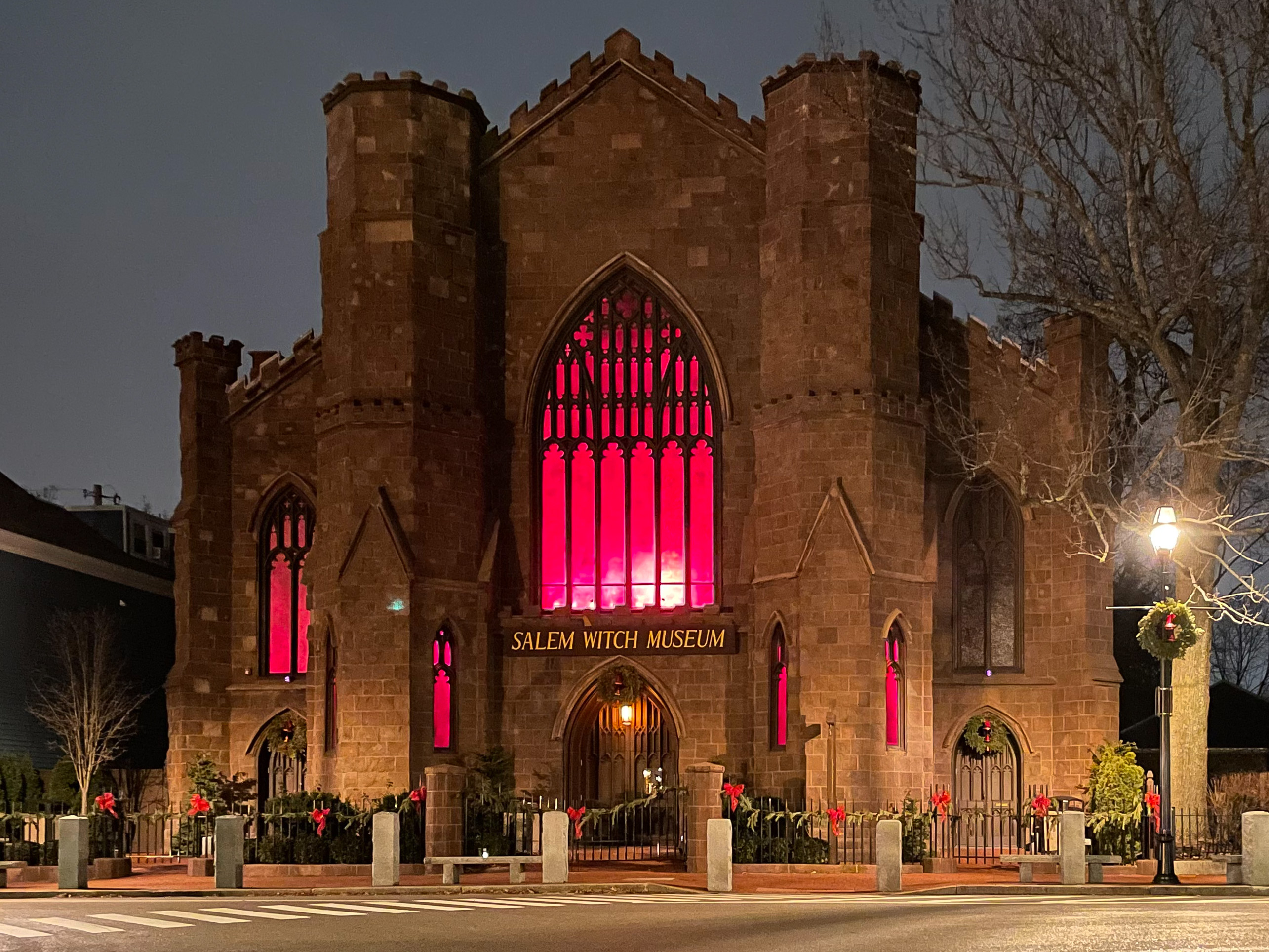
Salem has embraced the witch trials, for better and worse. The city's tourism industry is largely built on the events of 1692, with witch-themed shops, museums, tours, and restaurants. The Witch House, home of trial judge Jonathan Corwin, is a museum. The Salem Witch Museum presents a theatrical history. The Peabody Essex Museum has trial documents. Every October, 'Haunted Happenings' draws over a million visitors for parades, costumes, and general spookiness. The commercialization is sometimes tacky, but it also ensures that the story remains known. The memorial provides a counterweight - a place of genuine reflection amid the merchandise.
Visiting Salem
The Salem Witch Trials Memorial is located at 24 Liberty Street in Salem, Massachusetts, adjacent to the Old Burying Point Cemetery (where Judge Hathorne is buried). The memorial is free and open year-round. It's most powerful in quiet moments; October weekends are crowded. Nearby attractions include the Witch House, Salem Witch Museum, and the Peabody Essex Museum. Salem is 16 miles north of Boston; commuter rail connects the cities. Boston Logan International Airport is the nearest major hub. October is peak season; book accommodations well in advance. The memorial deserves more than a quick visit - sit on a bench, read the names, consider the meaning of a community turned against itself.
From the Air
Located at 42.52°N, 70.89°W in Salem, Massachusetts. From altitude, Salem is a small coastal city on Massachusetts Bay, its historic downtown visible near the harbor. The memorial is not distinguishable from altitude, but the Old Burying Point Cemetery is visible as green space in the dense downtown. Salem Harbor opens to the Atlantic. Boston is 16 miles south. The terrain is coastal New England - bays, peninsulas, and densely built historic towns. Boston Logan International Airport is the nearest commercial service.