Salinas and Steinbeck Country
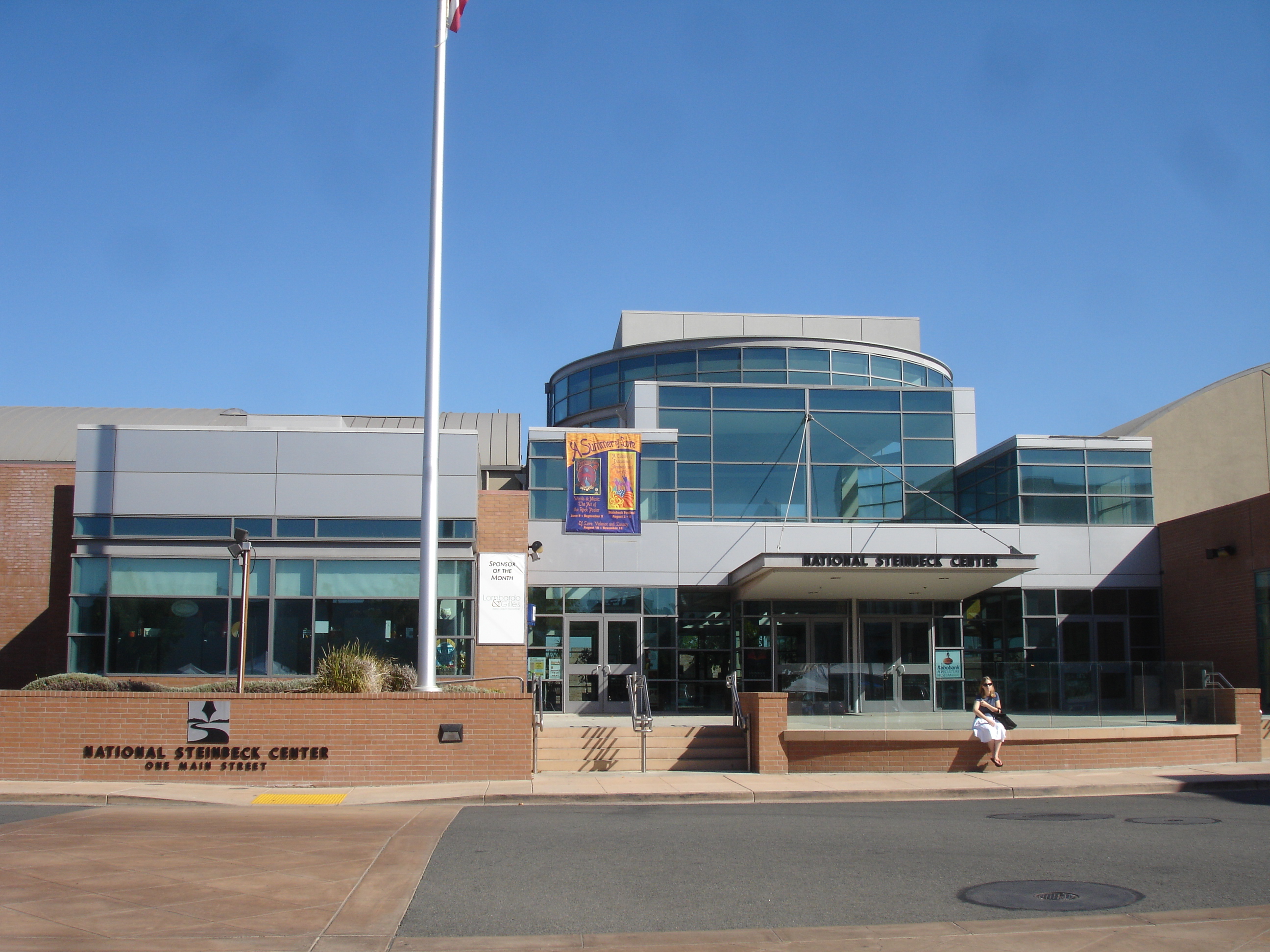
In the long valley between California's Coast Ranges, surrounded by the lettuce fields that feed the nation, sits the town that shaped John Steinbeck. Salinas was Steinbeck's birthplace, his childhood home, and the setting - renamed or disguised - for his greatest novels. The Salinas Valley became the 'long valley' of his stories; the migrant workers in surrounding fields became the Joads of 'The Grapes of Wrath.' Steinbeck wrote about working people with dignity and anger, and Salinas - which alternately celebrated and resented its famous son - has become a literary pilgrimage destination. His Victorian birthplace is now a restaurant serving lunch beneath his childhood bedroom. The National Steinbeck Center preserves his manuscripts, letters, and the camper truck from 'Travels with Charley.'
The Writer
John Steinbeck was born in Salinas in 1902, the son of the county treasurer and a schoolteacher. He grew up in a comfortable Victorian house on Central Avenue, but his attention was drawn to the workers in the surrounding fields - the migrant laborers, bindle stiffs, and paisanos who populated his fiction. He attended Stanford intermittently, never graduating, worked as a ranch hand and laborer, and began writing. 'Tortilla Flat' (1935) brought success; 'Of Mice and Men' (1937) and 'The Grapes of Wrath' (1939) made him famous and controversial. He won the Nobel Prize in Literature in 1962. Steinbeck left Salinas but never stopped writing about it.
The Valley
The Salinas Valley - the 'Salad Bowl of the World' - stretches 90 miles from Salinas to King City, bounded by the Gabilan and Santa Lucia mountain ranges. The valley floor is intensively farmed: lettuce, strawberries, broccoli, and dozens of other crops grow in the Mediterranean climate. Agricultural labor has always been done by migrants - Chinese, Japanese, Filipino, Mexican, and Central American workers through different eras. Steinbeck wrote about these workers with empathy that infuriated growers; 'The Grapes of Wrath' was burned in Salinas. The tension between agricultural wealth and labor exploitation that Steinbeck documented continues today.
The Literature
'East of Eden' (1952) is Steinbeck's most Salinas-specific novel - a multigenerational saga set explicitly in the valley, incorporating his family history and the region's development. The Trask and Hamilton families represent different aspects of California experience. 'Of Mice and Men' is set on ranches along the Salinas River. 'The Grapes of Wrath,' while following Okies from the Dust Bowl, ends in California's agricultural valleys. Steinbeck's Monterey novels - 'Cannery Row' and 'Sweet Thursday' - are set nearby. Together, these works created a literary geography of Central California that still draws readers to experience the landscape.
The Legacy
Salinas's relationship with Steinbeck was complicated. During his lifetime, many residents resented his portrayal of rural poverty and labor exploitation. 'The Grapes of Wrath' was banned; Steinbeck received threats. After his death in 1968, attitudes shifted. The National Steinbeck Center opened in 1998 - a museum with manuscripts, artifacts, and immersive exhibits recreating scenes from his novels. His birthplace became a restaurant and museum. The annual Steinbeck Festival draws scholars and readers. Today, Steinbeck is Salinas's most famous export, his critical eye reframed as documentation of an era.
Visiting Steinbeck Country
The National Steinbeck Center is located at 1 Main Street in downtown Salinas. Exhibits include Rocinante (the camper from 'Travels with Charley'), manuscripts, and recreated scenes from novels. The Steinbeck House, his birthplace on Central Avenue, serves lunch in the Victorian home. The Steinbeck Festival occurs annually in early August. The Salinas Valley can be toured by car; locations from 'East of Eden' are identifiable. Monterey's Cannery Row, 17 miles west, preserves the setting of those novels. Salinas is accessible from Highway 101; Monterey Regional Airport is nearby. San Francisco and Los Angeles are each roughly 100 miles distant. The valley is agricultural and working; tourism is secondary to farming.
From the Air
Located at 36.68°N, 121.65°W in the Salinas Valley of Central California. From altitude, the valley is visible as a long green strip between mountain ranges - the Gabilan Mountains to the east, Santa Lucia Range to the west. The agricultural grid of fields dominates the valley floor. Salinas is the largest city, visible at the valley's northern end. Highway 101 runs the valley's length. Monterey Bay is visible to the northwest; Monterey and Carmel sit on the coast. The landscape Steinbeck wrote about is immediately recognizable - the long valley, the surrounding hills, the river winding through fields. This is the setting of American literature.