Salt Spring Island
The seaplane splashes down in Ganges Harbour, and suddenly you're somewhere that feels nothing like the mainland cities visible across the water. This is Salt Spring Island - or Saltspring, the debate over spelling has raged since 1853 - the largest of the Southern Gulf Islands, home to artists and organic farmers, retirees from Alberta oil money and California dreamers, draft dodgers who arrived during Vietnam and never left. It's Canada's answer to an island commune that somehow grew up without losing its soul, a place where hitchhiking remains the accepted way to get around and studios outnumber fast food restaurants.
The Back-to-the-Landers
Salt Spring's character was shaped in the 1960s and 1970s, when back-to-the-landers arrived seeking escape from urban convention. Many lived in informal communes or squatted on undeveloped land, establishing the bohemian atmosphere that persists today. During the Vietnam War, American draft dodgers added to the influx, bringing their own liberal, educated perspectives to this corner of Canada.
But the island's diversity runs deeper. African-Americans settled here in 1859, among the first non-Indigenous residents. Hawaiians - Kanaka - followed, their descendants still hosting interpretive programs on nearby Russell Island. The Cowichan people called the island Klaathem, their word for salt, long before Governor James Douglas named it for the mineral springs he believed would bring wealth. The springs never did, but the island found its fortune in other ways.
Artists and Farmers
Today Salt Spring is known for its arts scene - over 30 studios open their doors to visitors through the self-guided Studio Tour, a map of which is available on every ferry. Painters, sculptors, potters, and even specialty cheese makers welcome visitors to see their work and their workspaces. The Artwalk in summer fills downtown Ganges with exhibitions, music, and the creative energy that defines the island's identity.
The Saturday Market at Ganges brings together the island's artisans and farmers, a weekly gathering that runs from April through October. Local produce, farm-fresh eggs, handcrafted jewelry, pottery, and clothes - it's all here, created by people who chose this island because it allowed them to live differently than they could on the mainland.
By Ferry and Seaplane
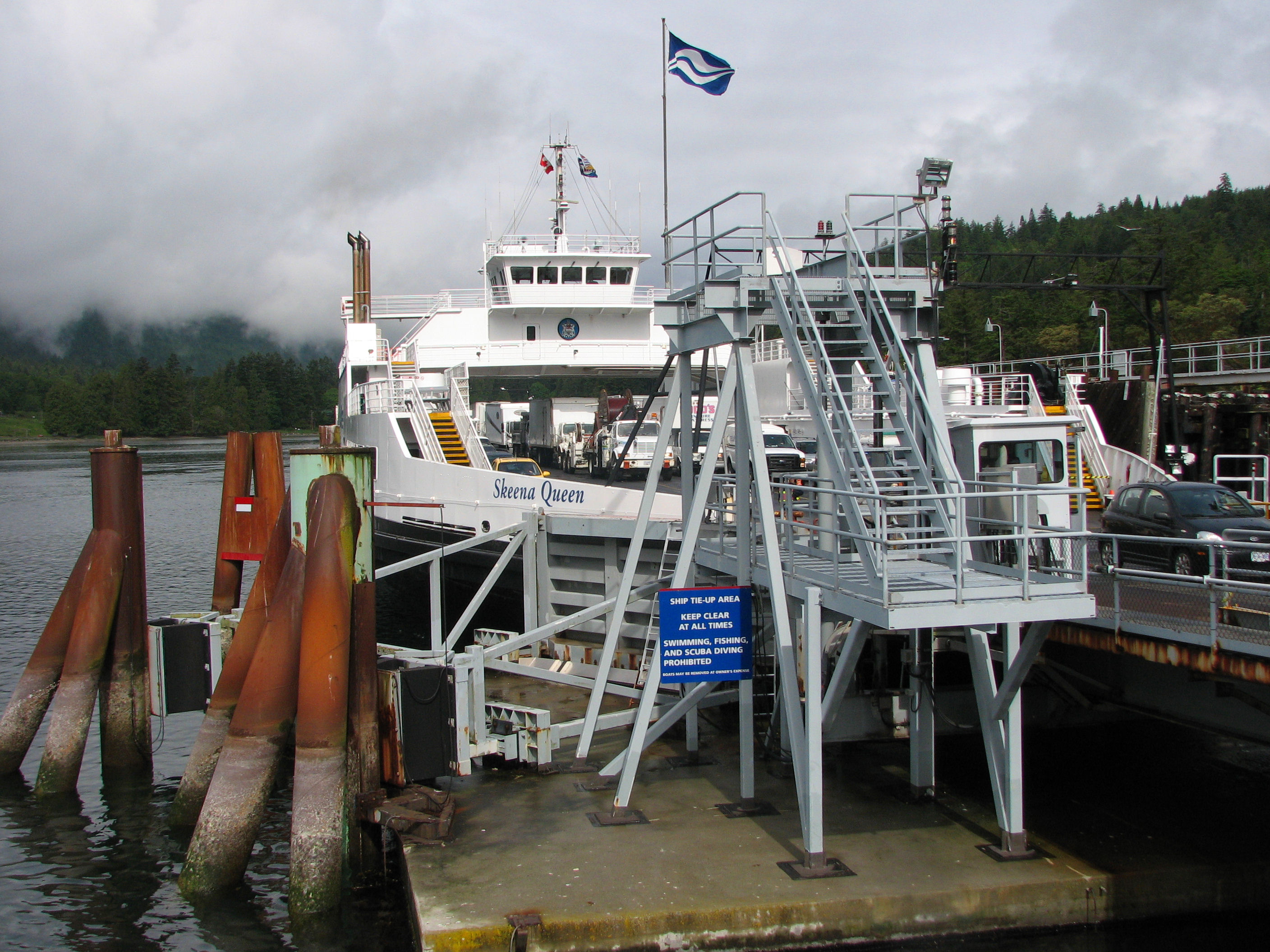
Three ferry routes serve Salt Spring Island, each arriving at a different terminal. From Vancouver's Tsawwassen terminal, ferries dock at Long Harbour on the island's east side. From Vancouver Island, boats from Swartz Bay near Victoria arrive at Fulford Harbour in the south, while boats from Crofton near Duncan dock at Vesuvius in the northwest. BC Transit buses connect to the ferry terminals, though a car remains the easiest way to explore the island's far-flung corners.
Seaplanes offer a faster alternative, splashing down in Ganges Harbour on scheduled flights from downtown Vancouver, Vancouver Airport, and - in summer - Seattle's Lake Union. The planes are small enough that chartering one isn't unreasonable, letting visitors travel on their own schedule rather than the ferry's.
Island Rhythm
Getting around Salt Spring often happens by thumb. Hitchhiking remains common and generally successful - wait five to ten minutes and someone will stop, except where traffic streams off the ferries and drivers are too focused on their own destinations. The roads wind through hills and forest, narrow and twisty, rewarding those who slow down to the island pace.
Ganges serves as the commercial center, its shops and restaurants clustered within walking distance of the Tourist Information Centre. Fulford Harbour in the south offers a smaller collection of services. The Saturday Market draws everyone together, a weekly ritual that hasn't changed despite the island's population growth from 10,000 to 13,000 in recent years. Baby boomer retirees and Alberta oil wealth have driven up property values, but the island's character persists - artists and farmers, studios and organic plots, the original vision somehow intact.
From the Air
Located at 48.81N, 123.48W in the Southern Gulf Islands of British Columbia, between Vancouver Island and the mainland. The island is clearly visible from altitude, roughly 18 km long and irregularly shaped. Ganges Harbour indents the eastern shore; look for seaplanes on the water. Three ferry terminals serve the island: Long Harbour (east), Fulford Harbour (south), and Vesuvius (northwest). BC Ferries routes connect to Tsawwassen, Swartz Bay, and Crofton. The Gulf Islands National Park Reserve encompasses several smaller islands nearby. Victoria is approximately 35 km southwest; Vancouver is 65 km northeast.