The Salton Sea
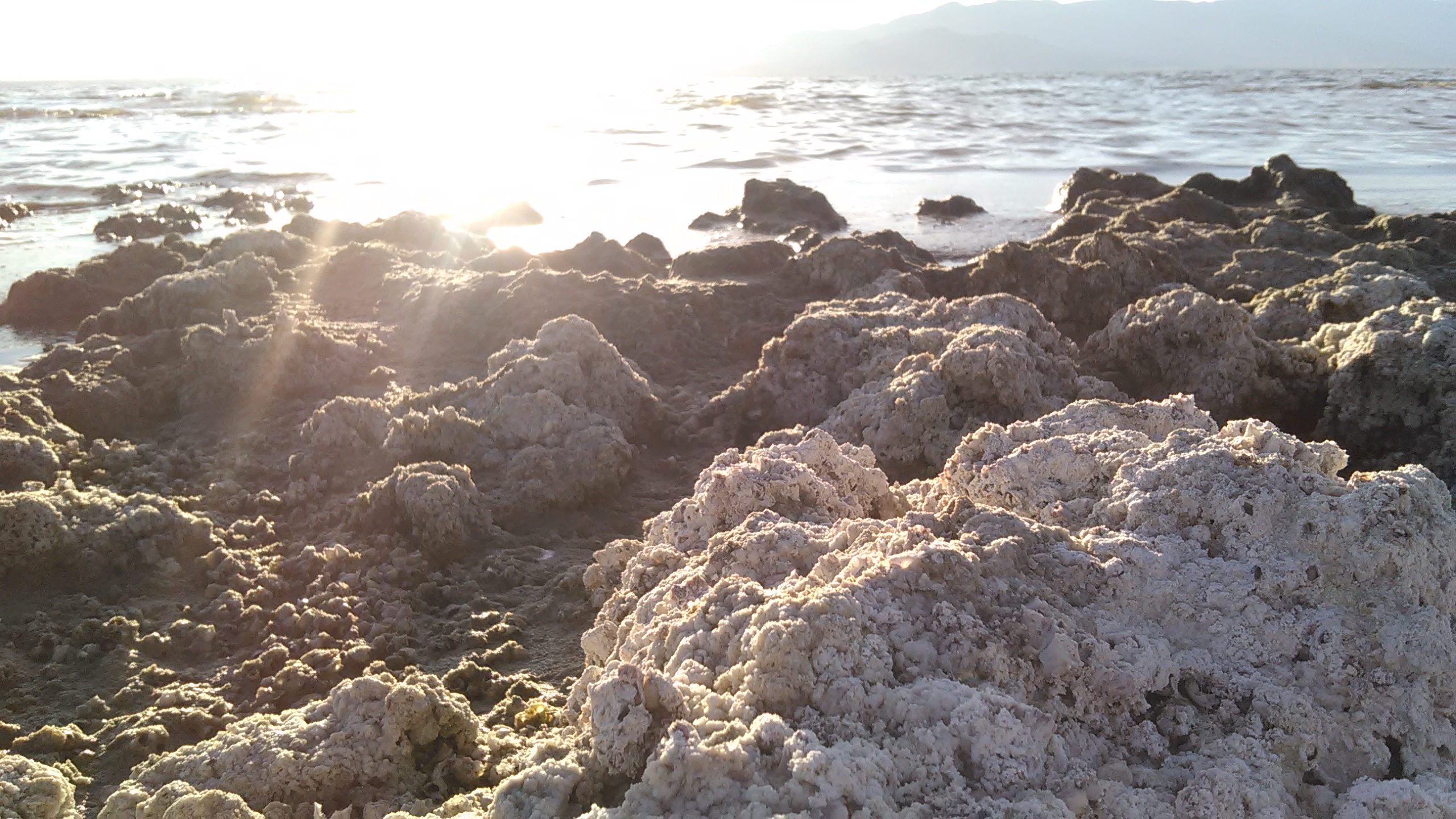
In California's Imperial Valley, a sea that shouldn't exist is slowly dying. The Salton Sea, California's largest lake, was created by accident in 1905 when irrigation canals breached and the Colorado River poured into the below-sea-level basin for two years. By the time engineers stopped the flow, a sea had formed. For decades, the Salton Sea flourished - it became a resort destination in the 1950s and 1960s, with yacht clubs, hotels, and 1.5 million annual visitors. Then the sea began dying. Rising salinity killed fish; the resorts closed; the towns emptied. Today, the Salton Sea is an environmental disaster and eerie landscape - dead fish coating the shores, abandoned buildings, salt-encrusted beaches, yet still attracting millions of migratory birds to one of America's strangest places.
The Accident
The Salton Sink had filled with water before - Ancient Lake Cahuilla covered this basin as recently as 400 years ago. But the modern Salton Sea was a man-made disaster. In 1905, irrigation engineers attempting to divert water from the Colorado River into the Imperial Valley lost control of their canal headworks. The river broke through and poured into the below-sea-level sink. For 18 months, the entire flow of the Colorado River poured into the basin. The Southern Pacific Railroad, whose tracks were being flooded, spent millions building dams to stop the flow. By 1907, when the breach was finally sealed, a sea 45 miles long had formed.
The Resort Era
By the 1950s, the Salton Sea was a premier resort destination. The warm climate, water skiing, and sport fishing drew hundreds of thousands of visitors. Communities like Bombay Beach, Desert Shores, and Salton City sprouted along the shores. Yacht clubs opened; the Beach Boys performed; developers promised a desert riviera. Fish stocked in the sea thrived - corvina, croaker, and tilapia attracted anglers from Los Angeles, three hours away. At its peak in the 1960s, the Salton Sea received more visitors than Yosemite. The desert had become a beach resort, unlikely as that seemed.
The Collapse
The Salton Sea had no outlet. Agricultural runoff and evaporation concentrated salts - by the 1980s, salinity exceeded that of the Pacific Ocean. Fish began dying in massive numbers. The stench of rotting fish drove away tourists. Resorts closed; property values collapsed; residents left. Algae blooms and bird die-offs made headlines. The communities that had thrived became ghost towns - abandoned motels, empty trailer parks, salt-encrusted remnants of the resort era. Today, Bombay Beach has fewer than 300 residents; Salton City is mostly vacant lots. The sea continues shrinking and growing saltier.
The Crisis
The Salton Sea is now an environmental emergency. As the lake shrinks, exposed lakebed releases toxic dust - arsenic, selenium, and pesticides from decades of agricultural runoff. Wind carries the dust across the Imperial Valley, contributing to some of the highest childhood asthma rates in California. The sea still supports millions of migratory birds - it's a crucial stop on the Pacific Flyway - but continued shrinkage threatens this habitat. California has struggled to fund restoration projects; the scale of the problem (the sea covers 340 square miles) exceeds available resources. The accidental sea's accidental death poses real consequences.
Visiting the Salton Sea
The Salton Sea is located in California's Imperial and Riverside Counties, accessible via Highway 111 from the north or south. The Salton Sea State Recreation Area offers camping and boat launching on the sea's east shore. Bombay Beach, on the southeastern shore, has become an art destination - murals, sculptures, and installations have transformed the ruins. Salvation Mountain (a nearby folk art site) draws visitors to the area. The sea can smell strongly of hydrogen sulfide and dead fish, especially in summer. Palm Springs is 50 miles northwest; Los Angeles is 150 miles west. The best visiting season is winter and early spring - summer temperatures exceed 110°F. The desolation and strange beauty attract photographers and those interested in post-apocalyptic landscapes.
From the Air
Located at 33.30°N, 115.90°W in California's Imperial and Coachella Valleys. From altitude, the Salton Sea is unmistakable - a large body of blue water in the middle of desert, surrounded by agricultural land and the distinctive white of salt deposits along its shrinking shores. The sea lies below sea level in the Salton Sink. The Coachella Valley stretches northwest toward Palm Springs; the Imperial Valley extends southeast. The Chocolate Mountains and Santa Rosa Mountains frame the basin. The sea's unnatural existence is apparent - this water shouldn't be here, surrounded by desert, fed only by agricultural runoff and slowly dying in the sun.