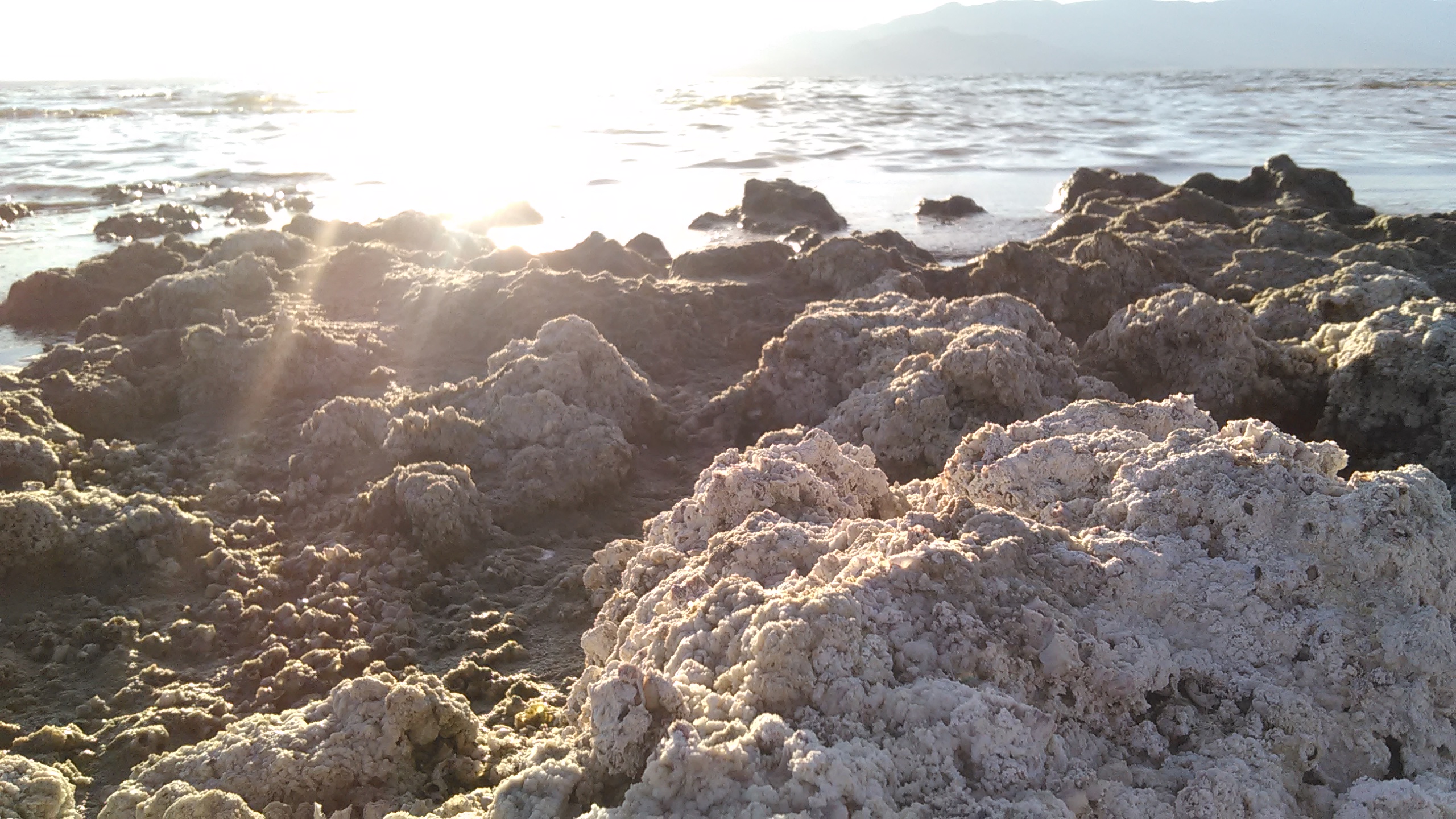
Salton Sea: California's Accidental Apocalypse
The Salton Sea was a mistake. In 1905, irrigation engineers lost control of Colorado River water diversion; the river poured into a desert sink for two years, creating California's largest lake. For decades, the accident seemed fortunate - the sea attracted birds, supported fisheries, and became a resort destination. Movie stars sunbathed. Yacht clubs flourished. Then the water started dying. Without outlet, the sea concentrated agricultural runoff: pesticides, fertilizers, salinity that now exceeds ocean levels. Fish die by the millions, rotting on shores. Dust storms carry toxic particulates across the region. The resorts are ruins. The birds are leaving. The Salton Sea is California's environmental apocalypse in slow motion, and no one can agree how to stop it.
The Creation
The Salton Sink, a desert basin below sea level, had held ancient Lake Cahuilla until roughly 1500. In 1905, irrigation canals from the Colorado River breached during spring flooding, and the river found its old path. For 18 months, the entire Colorado flowed into the sink, creating a 35-mile-long lake. The Southern Pacific Railroad eventually closed the breach, but the sea remained - fed by agricultural runoff from the irrigated Imperial Valley. For decades, the arrangement worked. The sea supported fisheries, attracted millions of migratory birds, and beckoned tourists to its shores.
The Paradise
The Salton Sea's resort era peaked in the 1950s and 1960s. North Shore Beach, Bombay Beach, and other communities offered yacht clubs, marinas, restaurants, and hotels. Frank Sinatra and the Rat Pack visited. Speedboat racing drew crowds. The fishing was exceptional - corvina, tilapia, and other introduced species thrived in the warm, fertile water. The sea seemed like a permanent gift, California's version of the Mediterranean, an inland Riviera in the desert. Postcards showed happy families on beaches. Nobody photographed the water getting saltier.
The Collapse
The sea has no outlet. Inflow comes from agricultural drains carrying fertilizer and pesticide residue. Evaporation concentrates everything. Salinity now exceeds Pacific Ocean levels by 50% and climbs annually. Fish die in massive die-offs, their rotting bodies producing hydrogen sulfide stench detectable in Los Angeles. Algae blooms deplete oxygen. Bird populations have crashed as food sources vanished. The resorts closed, their buildings abandoned to salt and sun. Bombay Beach became a post-apocalyptic art destination, its ruins photographed by tourists seeking aesthetic decay. The water continues shrinking, exposing lakebed that becomes airborne particulate, threatening respiratory health across the region.
The Future
Proposed solutions conflict. Import seawater? Pipe Colorado River water? Create habitat ponds with remaining inflow? Divide the sea into managed segments? Every option costs billions; none restores the paradise that briefly existed. California has allocated funds; progress is slow. Meanwhile, the sea continues shrinking, exposing toxic lakebed. The dust storms grow worse. The birds find other habitat. The fish die. What was accident became amenity became catastrophe - and nobody can agree what it should become next. The Salton Sea may be irredeemable, a permanent monument to unintended consequences.
Visiting the Salton Sea
The Salton Sea is located roughly 150 miles east of San Diego via Interstate 8 and State Route 86. The Salton Sea State Recreation Area, on the northeast shore, offers camping and interpretive displays. Bombay Beach, on the east shore, has become famous for its decay - abandoned structures, art installations, a population of roughly 300 living amid ruins. The International Banana Museum in North Shore provides quirky diversion. The smell can be overwhelming during fish die-offs, typically summer. Slab City is nearby, offering an entirely different kind of apocalyptic experience. Visit in winter when temperatures and odors are manageable. The experience is fascinating and disturbing - paradise lost to chemistry.
From the Air
Located at 33.30°N, 115.85°W in the Colorado Desert of southeastern California. From altitude, the Salton Sea appears as a large body of water surrounded by desert and agriculture - the contrast between irrigated green and desert brown is stark. The sea is visibly shrinking; exposed lakebed rings the current shoreline. The Imperial Valley's agriculture extends south; Palm Springs lies to the west. The water color varies with algae blooms and sediment. The abandoned resort communities are visible as clusters of structures at the water's edge. The scale of the environmental problem is visible from altitude: a lake with no outlet, fed by agricultural runoff, slowly poisoning itself in the desert sun.