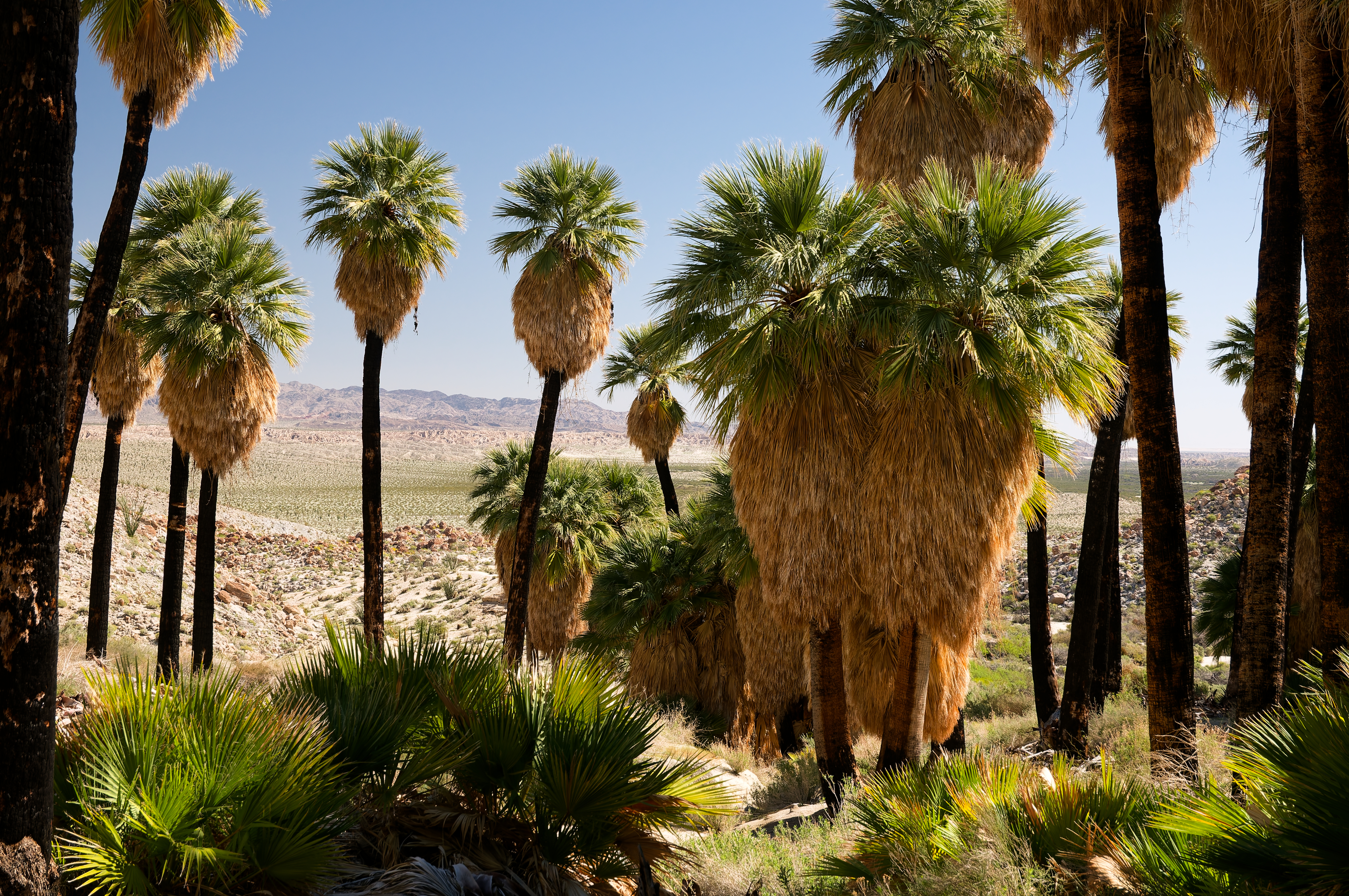
The Anza-Borrego Badlands: Earth Turned Inside Out
Two hours east of San Diego, the California desert peels back to reveal the earth's insides. Anza-Borrego Desert State Park sprawls across 650,000 acres of badlands where ancient seabed has been tilted, eroded, and carved into a landscape that looks like geology's fever dream. Slot canyons slice through sediments that once lay at the bottom of the Gulf of California. Fossils of mammoths, sabertooths, and creatures with no modern name emerge from washes after every rain. The heat in summer exceeds 120°F; the Spanish called these lands 'malpais' - bad country. The park is California's largest state park, bigger than most national parks, and it remains largely empty of humans because humans don't naturally belong in places where water doesn't exist.
The Geology
Anza-Borrego sits at the western edge of the Salton Trough, a rift valley where the Pacific Plate is pulling away from North America. Five million years ago, the Gulf of California extended this far north; the sediments were seabed. Then tectonic forces lifted and tilted everything, exposing millions of years of accumulated mud, sand, and organisms. Erosion went to work on the tilted layers, carving badlands where soft sediments gave way while harder layers held. The result is a landscape of painted cliffs, slot canyons, and exposed geology that makes geologists weep with joy. You can read five million years in the canyon walls if you know the language.
The Fossils
Anza-Borrego may be the richest fossil site in North America for Pleistocene megafauna. The sediments preserve an astonishing array of creatures from the last few million years: mammoths, mastodons, giant ground sloths, sabertooth cats, dire wolves, camels, horses, and species that defy easy description. Most fossils emerge after rain - water exposes bones that have waited millions of years for discovery. The park requires that fossils remain in place and be reported; collection is illegal and pointless anyway, since the science requires context. Each storm reveals new specimens. Each summer bakes them into the surface. The cycle continues.
The Canyons
Slot canyons cut through Anza-Borrego's badlands like wounds. The Slot, Sandstone Canyon, and others offer narrow passages where walls rise 50 feet on either side, carved by flash floods that come without warning. The canyons are cool when the desert bakes, shaded by walls that block all but midday sun. Walking through them is a journey into the earth - sediment layers visible as bands in the rock, ancient ripple marks showing where water once flowed, the patient work of geology displayed in cross-section. These canyons are also dangerous; flash floods fill them in minutes, drowning hikers who didn't check the forecast.
The Bloom
In wet years - which come rarely - Anza-Borrego explodes with wildflowers. The desert floor, gray-brown most years, transforms into carpets of purple, yellow, and orange. Desert lily, sand verbena, and countless other species bloom briefly, seed, and die, their descendants waiting in the soil for the next wet year, which might be decades away. The blooms draw crowds that overwhelm the park's limited roads; the park website tracks bloom status. Miss the bloom and you see rock and sand. Catch it and you understand why people return, year after year, hoping this will be the year the desert remembers it can be beautiful.
Visiting Anza-Borrego
Anza-Borrego Desert State Park is located east of San Diego, accessible via Route 78 or Route S-22. The town of Borrego Springs, surrounded by the park, has services including gas, food, and lodging. The Visitor Center provides maps and trail information. Most of the park is accessible by dirt roads requiring high clearance; some areas need four-wheel drive. Hiking in summer is dangerous - temperatures exceed 120°F, and there is no water. Spring (March-April) offers possible wildflower blooms and tolerable temperatures. Fall and winter are pleasant. Camping is available at developed campgrounds and throughout the park's backcountry (no permit required). San Diego is 80 miles west. Bring more water than you think you need.
From the Air
Located at 33.05°N, 116.40°W in San Diego and Imperial Counties, California. From altitude, Anza-Borrego appears as a vast expanse of eroded badlands - tan, brown, and pink sediments carved into intricate patterns. The park is larger than most national parks; its boundaries encompass mountains, bajadas, and the flat floor of the Salton Trough. Borrego Springs is visible as an irrigated oasis in the park's center. The Salton Sea gleams to the east. The mountains separating the desert from coastal San Diego rise to the west. The terrain shows the violence of its making: tilted, eroded, carved by rare but brutal floods. Wildflowers visible in spring transform the pale landscape into temporary color.