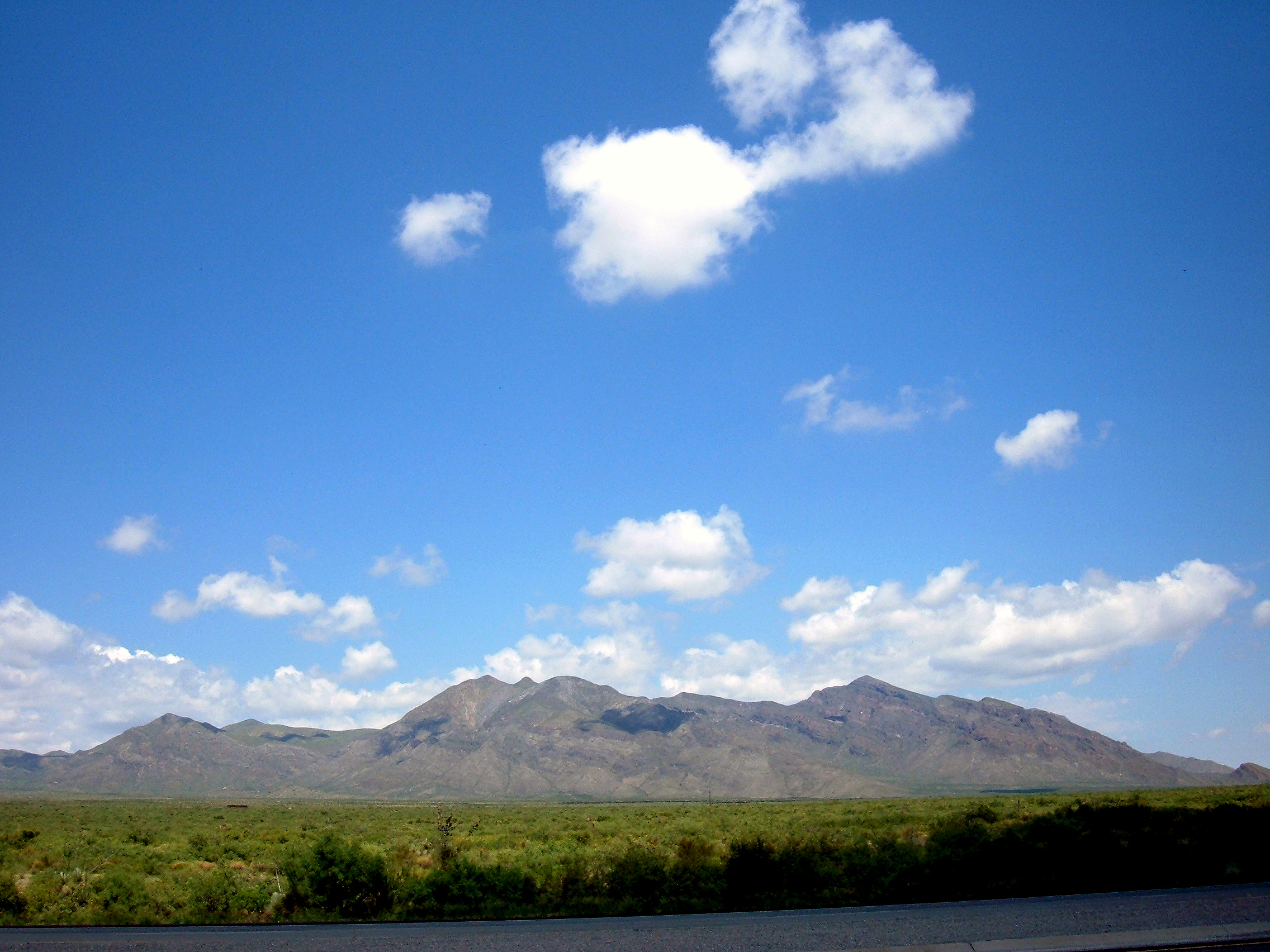
San Andres National Wildlife Refuge: A Secret Wilderness Inside a Missile Range
There is a wilderness in New Mexico that almost nobody will ever see. The San Andres National Wildlife Refuge sprawls across 57,000 acres of the southern San Andres Mountains, preserving the largest intact Chihuahuan desert mountain range in the United States. But you cannot visit. The refuge sits entirely within White Sands Missile Range, and the gate stays locked for security reasons that have held since 1941. Behind that fence, desert bighorn sheep cling to survival on rocky slopes while South African oryx -- introduced for sport hunting in 1969 -- compete for scarce water at springs that have sustained life in this desert for millennia.
A Locked Wilderness
The San Andres National Wildlife Refuge runs 21 miles north to south along the southern end of the San Andres Mountains. San Andres Peak rises to 8,239 feet at its highest point. The range tilts westward like a fault-block shelf, its eastern slopes dropping sharply into the Tularosa Basin and the white gypsum flats of the missile range below. The western slopes descend more gently into the Jornada del Muerto -- the 'Journey of the Dead Man' -- a waterless stretch that killed Spanish travelers for centuries. The refuge exists in the Upper Sonoran life zone: creosote flats giving way to grasslands, then pinyon-juniper woodlands at elevation. At least ten springs and spring complexes provide the only reliable water, creating small riparian oases of cottonwood, willow, and ash amid the dry country. Annual rainfall averages around 12 inches but swings wildly from 7 to 25 inches, with multi-year droughts common.
The Vanishing Bighorns
The refuge was created to save the desert bighorn sheep. In 1941, only 33 animals remained in these mountains. Protection worked: by 1950 the herd had grown to 140. Then drought knocked them back to 70. Grazing was banned in 1952, and by the 1970s roughly 200 bighorns ranged the refuge. It seemed like a conservation success story until disease swept through. By 1997, a single female was all that remained -- one lonely survivor of a herd that had once numbered in the hundreds. Reintroduction began in 1999, bringing bighorns from other populations. The herd slowly rebuilt to about 100 animals by 2012. San Andres remains the largest protected area for desert bighorns in New Mexico, but the sheep now share their refuge with an unexpected competitor.
The African Invaders
In 1969, wildlife managers introduced South African oryx -- the gemsbok -- into the Tularosa Basin on White Sands Missile Range. The plan was simple: bring in exotic big game, sell hunting licenses, boost state revenue. The oryx did what oryx do in desert environments -- they thrived. Their population exploded to roughly 3,000 animals, and they spread into the wildlife refuge by the 1990s. Oryx need almost no water, extracting moisture from the plants they eat, which gives them a devastating advantage over bighorns and mule deer at the scarce springs. They also carry diseases: Bluetongue virus, Bovine Respiratory Syncytial Virus, Malignant Catarrhal Fever, and Pasteurella bacteria that can devastate bighorn populations. With no natural predators capable of taking down an adult oryx -- even mountain lions avoid them except for calves -- the state now issues hunting permits to cull about 50 animals per year from the refuge.
Life in the Forbidden Zone
Despite its inaccessibility, the San Andres refuge teems with wildlife. Biologists have documented 172 bird species, including five species of hummingbirds. Mule deer browse the slopes. Mountain lions patrol the rocky terrain. Black bears occasionally wander through. On rare occasions, javelina have been spotted. The springs create vertical ribbons of green through the brown desert, their cottonwoods flaming gold in autumn. Some springs flow strong enough to create streams that run several hundred yards before disappearing into dry washes. The refuge preserves a snapshot of what the Chihuahuan Desert looked like before ranching, before development, before roads -- a wilderness frozen in time behind military fences, studied by biologists and seen by almost no one else.
From the Air
Located at 32.69N, 106.54W in southcentral New Mexico. The refuge lies entirely within White Sands Missile Range restricted airspace -- check NOTAMs and do not enter without authorization. From authorized altitude outside restricted zones, the San Andres Mountains appear as a north-south desert range rising sharply from the white gypsum flats of the Tularosa Basin to the east. The western slopes merge into the Jornada del Muerto basin. Las Cruces International Airport (KLRU) lies roughly 30 miles southwest. The distinctive white sands of the missile range and national park are visible to the east, creating a stark contrast with the brown desert mountains.