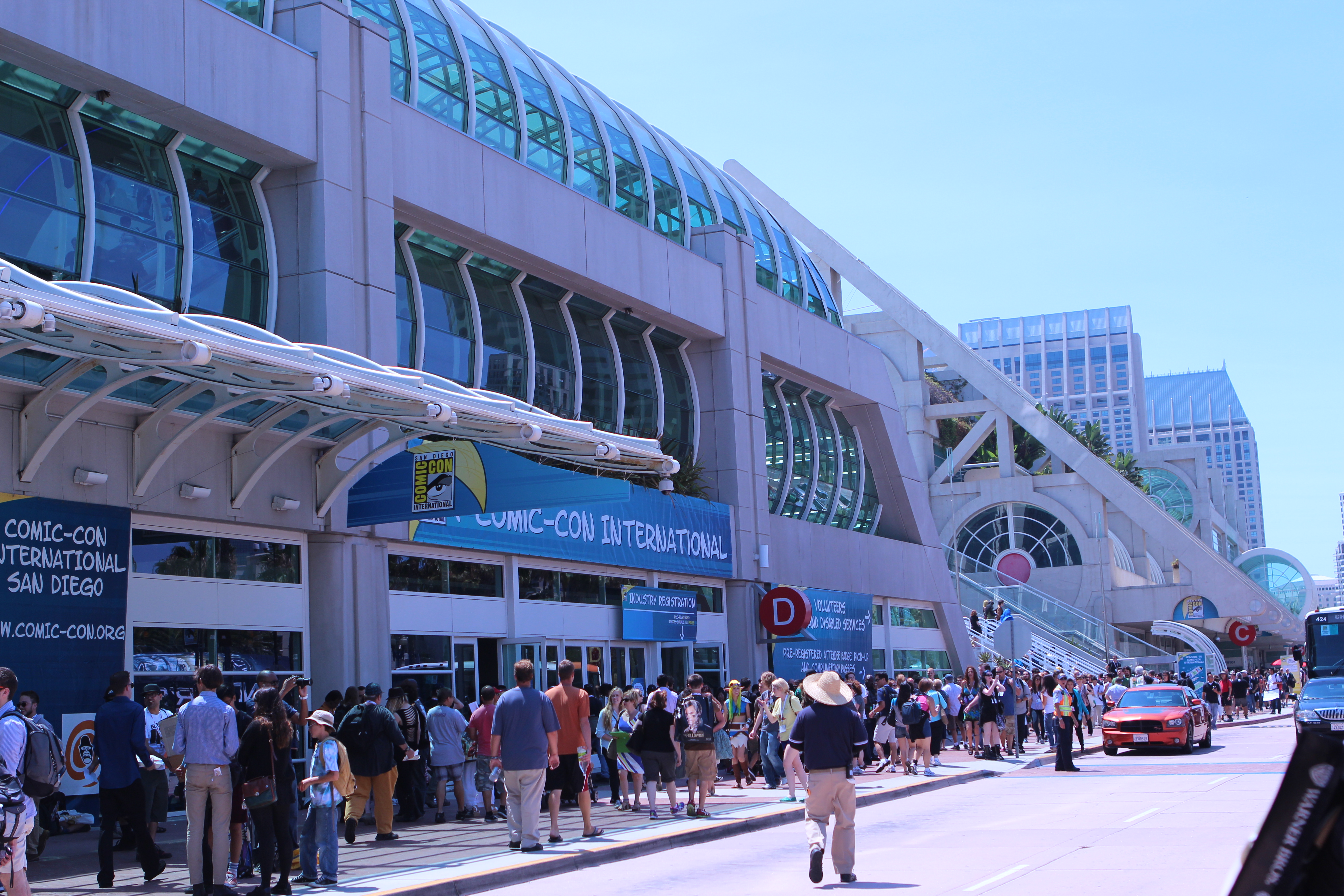
How a Gathering of Fans Became the Center of Everything
In 1970, a small group of San Diego comic book enthusiasts organized a one-day event at the U.S. Grant Hotel to celebrate the medium they loved. They called it a convention, which was technically accurate — people gathered to share an interest. What they had no way of knowing was that they were inventing the template for how popular culture would eventually negotiate its relationship with its own audience.
The Fan Convention That Grew Up
Comic-Con's first years were modest by any measure. The gathering moved through various San Diego venues in the 1970s as attendance grew, attracting the kinds of dedicated fans who organized their lives around comics, science fiction, and film in an era when those interests were considered eccentric rather than mainstream. The programming expanded from comics to include science fiction literature, and gradually, as Hollywood began to recognize that the dedicated fan base cultivated by these media had commercial value, film and television.
The transition from fan convention to industry event happened gradually and then, in the 1990s and 2000s, very quickly. Studios discovered that the audience assembled in San Diego was simultaneously influential — the enthusiasts who attended Comic-Con were early adopters, opinion leaders within their communities — and passionate enough to generate the kind of authentic excitement that conventional marketing could not manufacture.
Hall H and the Entertainment Industry
Hall H, Comic-Con's largest venue with capacity for more than 6,000 people, became the setting for some of the most significant entertainment industry announcements of the early twenty-first century. Marvel Studios used Hall H presentations to unveil the shape of the Marvel Cinematic Universe. Warner Bros., DC Comics, Disney, and virtually every major studio with genre productions began treating Comic-Con as a mandatory stop on their promotional calendars.
The power dynamic shifted in ways that would have surprised the convention's founders. Studios competed aggressively for Hall H time slots and conducted elaborate preparations for their presentations. The audience at Comic-Con became, in effect, a bellwether — their response to trailers and announcements was monitored carefully by industry observers as a leading indicator of broader audience reception. A cheer in Hall H could generate millions of dollars of free coverage; a muted response was noted.
The Eisner Awards
While the entertainment industry came to dominate Comic-Con's public perception, the convention has maintained its roots in comics through the Eisner Awards — the industry's most prestigious honors, named for the pioneering comics artist and writer Will Eisner. Presented annually at Comic-Con since 1988, the Eisner Awards recognize achievement in comics writing, art, editing, and publication across a wide range of categories.
The awards ceremony keeps alive the convention's connection to the medium that originated it. Comics creators who might be overshadowed by the film announcements and celebrity panels still gather each year to celebrate work that matters to the form itself — the writing, the drawing, the storytelling craft that made comics worth loving in the first place.
The Size Problem
Comic-Con's success created its most persistent problem: the convention became too large for the city it occupied. Annual attendance reached approximately 130,000 for the four-day event, filling the San Diego Convention Center and overflowing into the surrounding Gaslamp Quarter and downtown hotels. Saturday sold out years in advance. The city's infrastructure strained under the seasonal influx.
The question of whether and where Comic-Con might move has been a recurring subject of speculation and occasional negotiation. Los Angeles, Anaheim, and other cities have expressed interest in hosting an event that generates substantial economic activity. San Diego has consistently worked to retain it, recognizing that the convention has become part of the city's identity in ways that go beyond the economics. What began in 1970 as a gathering of fans in a hotel ballroom now defines, for much of the world, what San Diego does every July.
From the Air
San Diego Comic-Con is held at the San Diego Convention Center on the downtown waterfront, a large structure visible from the air along the harbor between the Gaslamp Quarter and the bay.