San Francisco Zen Center
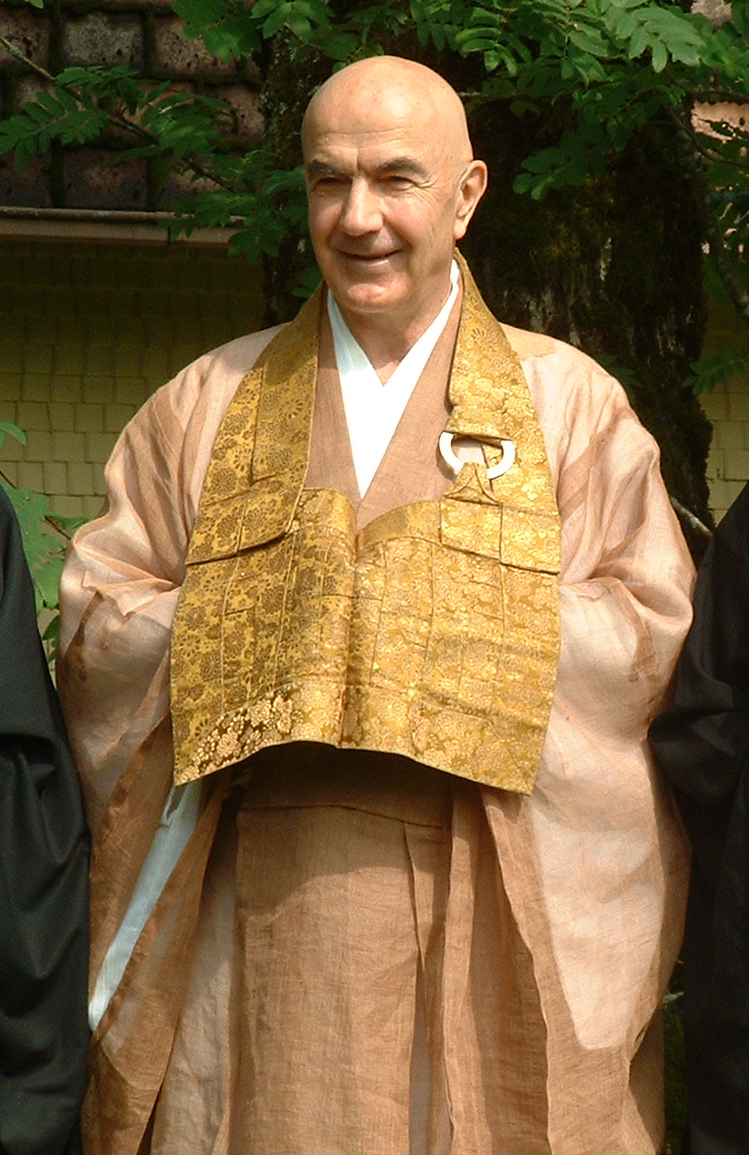
Shunryu Suzuki arrived in San Francisco on May 23, 1959, to serve as head priest of a small Soto Zen temple in a former synagogue in Japantown. He was 55 years old, fluent in English -- unusual among Japanese temple priests -- and completely unprepared for what would happen next. The Beat movement was winding down and the social upheavals of the 1960s were gathering force. Before long, beatniks began showing up at 1881 Bush Street to sit zazen with him in the morning. Then more came. Within a few years, the non-Japanese students outnumbered the original Japanese American congregation, creating a rift that would ultimately produce something unprecedented: the largest Soto Zen organization in the Western world.
Beginner's Mind
The tension between Suzuki's Japanese American congregation and his growing contingent of Western students led to a split. By 1961, the Western practitioners were gathering for separate services, still at Sokoji temple. They incorporated in 1962 as the San Francisco Zen Center. Growth was rapid. By the mid-1960s, Suzuki was considering something more ambitious: a monastery. In 1966, he and his student Richard Baker scouted Tassajara Hot Springs, a rundown resort with mineral springs in Los Padres National Forest behind Big Sur. After a major fundraising drive, the Zen Center purchased the property in 1967. Tassajara Zen Mountain Center became the first Zen Buddhist monastery built in the United States -- and the first in the world to allow men and women to practice together. Suzuki died of cancer on December 4, 1971, at 67. His book Zen Mind, Beginner's Mind, published shortly before his death, became a classic of contemporary Zen literature, translated into dozens of languages.
The Green Dragon Farm
Suzuki had wanted a farm where families could live a Buddhist life while working the land together. In 1972, the Zen Center purchased 80 acres in a valley near Sausalito overlooking the Pacific Ocean from George Wheelwright, a founder of Polaroid. Green Gulch Farm -- formally the Green Dragon Temple, or Soryuji -- evolved into a monastery and retreat center with an organic farm, flower gardens, a teahouse, and a plant nursery. The farm still supplies local restaurants and sells produce at the Ferry Plaza Farmers Market in San Francisco. In 1979, the Zen Center opened Greens Restaurant at Fort Mason, one of the first gourmet vegetarian restaurants in America, with chefs Edward Espe Brown and Deborah Madison. The Tassajara Bakery, founded in 1976 to extend the monastery's bread-baking tradition, supplied Greens and local groceries before being sold in 1992.
Scandals and Reform
In 1983, Abbot Richard Baker was accused of having an affair with the wife of a prominent Zen Center member. The scandal that followed revealed further allegations of impropriety and led to Baker's resignation in 1984. The crisis deepened in 1988 when his successor, Tenshin Reb Anderson, was arrested for chasing an alleged mugger into a housing project while carrying an unloaded revolver -- a bizarre incident that made national news. The community, shaken by consecutive scandals involving its senior teachers, fundamentally restructured its governance. The Zen Center adopted a democratically elected leadership model and created ethical guidelines for conflict resolution based on Buddhist precepts. The tradition of dual abbots -- two leaders sharing the position simultaneously -- became standard practice, a safeguard against the concentration of power that had enabled earlier crises.
Where the Living and Dying Meet
In 1987, the Zen Center established the Zen Hospice Project, a volunteer program that provided compassionate end-of-life care from a guest house on Page Street with five residential beds. The project also trained volunteers to serve at Laguna Honda Hospital, a city-run skilled nursing facility. The Zen Hospice Project, open to people of any or no religion, became a model for integrating contemplative practice with palliative care. The 2018 documentary End Game, directed by Rob Epstein and Jeffrey Friedman, captured the work of palliative care physician BJ Miller at the hospice. The building that houses City Center, designed by Julia Morgan in 1922 as a Jewish women's residence, translates its original design -- public spaces below, private rooms above -- into meditation halls on the lower floors and student residences upstairs. Today the San Francisco Zen Center encompasses three locations, hundreds of practitioners, and six decades of Zen practice adapted for American life.
From the Air
The San Francisco Zen Center's City Center is at 37.77N, -122.43W, at 300 Page Street in the Haight-Ashbury/Hayes Valley area. The Julia Morgan-designed building is a three-story residential structure not easily distinguished from the air. Green Gulch Farm is visible in Muir Beach valley at 37.87N, -122.56W, with its organic fields and gardens. Tassajara is deep in Los Padres National Forest, accessible only by a 14-mile mountain road. Nearest airports: KSFO 11nm south, KOAK 9nm east.