Sandy Hook: Where America Tested Its Big Guns
Sandy Hook has been preparing for invasions that never came since before America existed. The peninsula guarding New York Harbor has hosted military installations for over 250 years: colonial batteries, Revolutionary War fortifications, Civil War defenses, and coastal artillery that remained active through both World Wars. The guns were always upgraded; the enemy never arrived. By 1974, when the last military installations closed, Sandy Hook had become a national recreation area - its batteries crumbling into scenic ruins, its bunkers becoming wildlife habitat, its beaches returning to civilians after centuries of martial readiness. The oldest working lighthouse in America still guides ships past the peninsula that was supposed to blast them.
The Defense
Sandy Hook's strategic value was obvious from first European contact: any ship approaching New York Harbor had to pass the peninsula. Colonial forces fortified it; British forces captured it; American forces recaptured it. Fort Hancock, established in 1895, bristled with coastal artillery capable of engaging battleships miles at sea. Gun emplacements were upgraded repeatedly: larger guns, better fire control, radar targeting. Nike missiles replaced artillery in the Cold War. Each generation's weaponry defended against each generation's threats. None of them ever fired at an enemy.
The Proving Ground
Sandy Hook Proving Ground tested military ordnance from 1874 to 1919, making the peninsula one of America's primary weapons development sites. Artillery pieces were fired into the Atlantic to measure range and accuracy; shells were recovered from beaches for analysis. The testing program developed the weapons that would be used in both World Wars - large-caliber coastal guns, explosive shells, and artillery fire control systems. When weapons testing moved to Aberdeen Proving Ground in Maryland, Sandy Hook reverted to purely defensive operations.
The Lighthouse
Sandy Hook Lighthouse has guided ships into New York Harbor since 1764 - the oldest working lighthouse in the United States. The British built it; the Continental Army tried to destroy it (to deny its use to enemy ships); the British held it throughout the Revolutionary War. The lighthouse survived because its rubble stone construction resisted demolition. It continued operating through every subsequent conflict, its light visible 19 miles at sea. The lighthouse is now part of the national recreation area, open for climbing when staffed, still active in its third century.
The Park
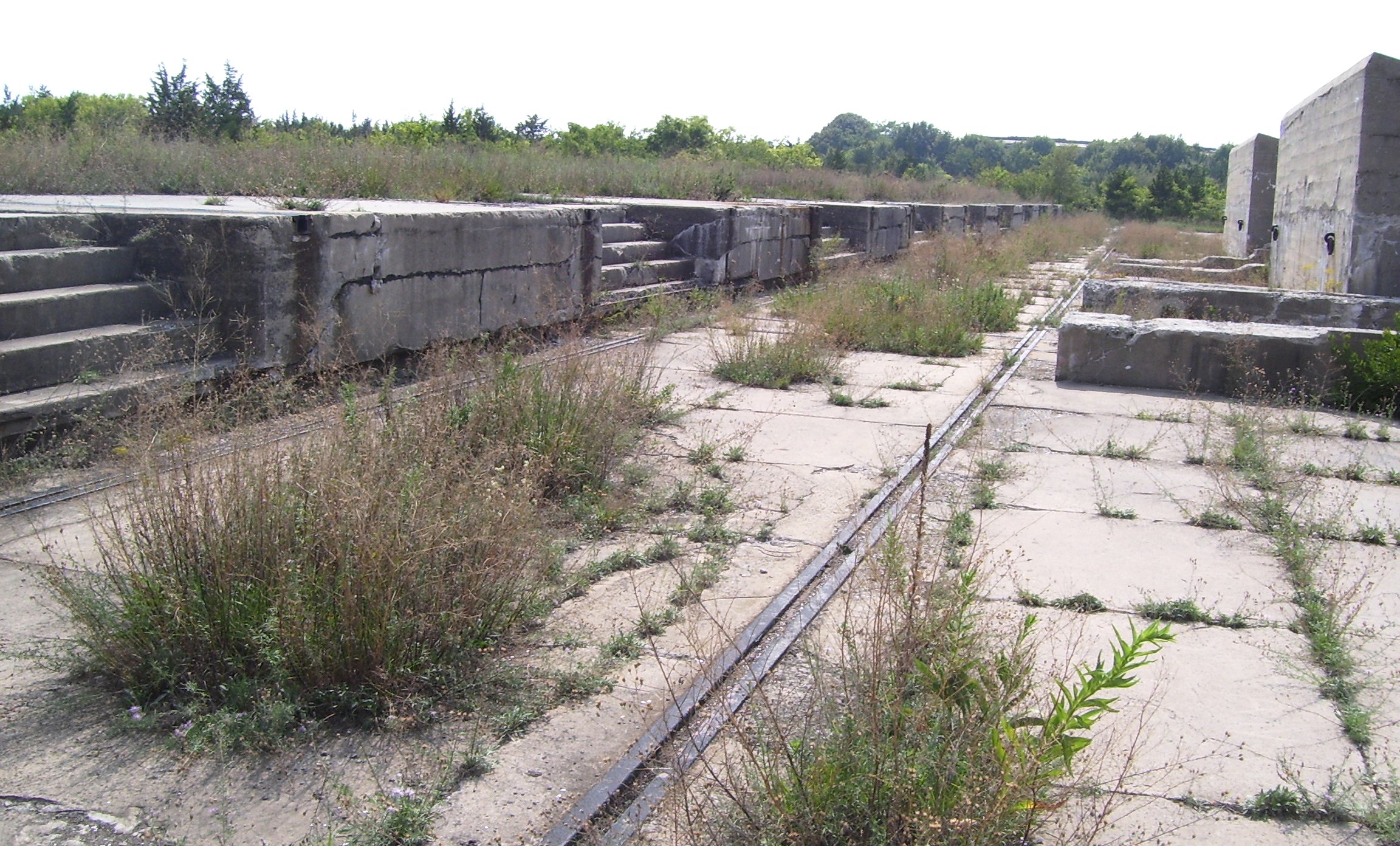
Sandy Hook became part of Gateway National Recreation Area in 1974, returning to civilian use after centuries of military restriction. The batteries and bunkers remain - massive concrete structures slowly being reclaimed by vegetation and eroded by salt air. Battery Potter, the first 12-inch gun emplacement in the country, is explorable. Fort Hancock's officer housing has been converted to lodging. The beaches, once off-limits for security, are now among the finest in the New York metropolitan area. The peninsula offers swimming, birding, fishing, and military history within view of the Manhattan skyline.
Visiting Sandy Hook
Sandy Hook is part of Gateway National Recreation Area, located at the northern tip of the Jersey Shore. Access is via Highway 36 from Highlands, NJ; a seasonal ferry operates from Manhattan. Beaches are open summer (lifeguards Memorial Day through Labor Day); swimming is excellent. The lighthouse is open for climbing when volunteer staffed. Fort Hancock's batteries and bunkers are explorable; guided tours available seasonally. The officer housing at Fort Hancock offers unique overnight accommodations (book through Historic Fort Hancock). The park is free; parking fees apply in summer. New York City is visible across the harbor. Visit off-season for solitude among the military ruins.
From the Air
Located at 40.46°N, 73.99°W at the northern tip of the Jersey Shore. From altitude, Sandy Hook appears as a narrow peninsula extending north into Lower New York Bay, with New York Harbor to the west and the Atlantic Ocean to the east. Fort Hancock's structures are visible as geometric patterns amid the peninsula's green. The lighthouse is visible at the peninsula's tip. The Verrazano-Narrows Bridge and Manhattan skyline are visible across the water. The strategic position is obvious from above: any ship entering the harbor passes within range of Sandy Hook's former batteries.