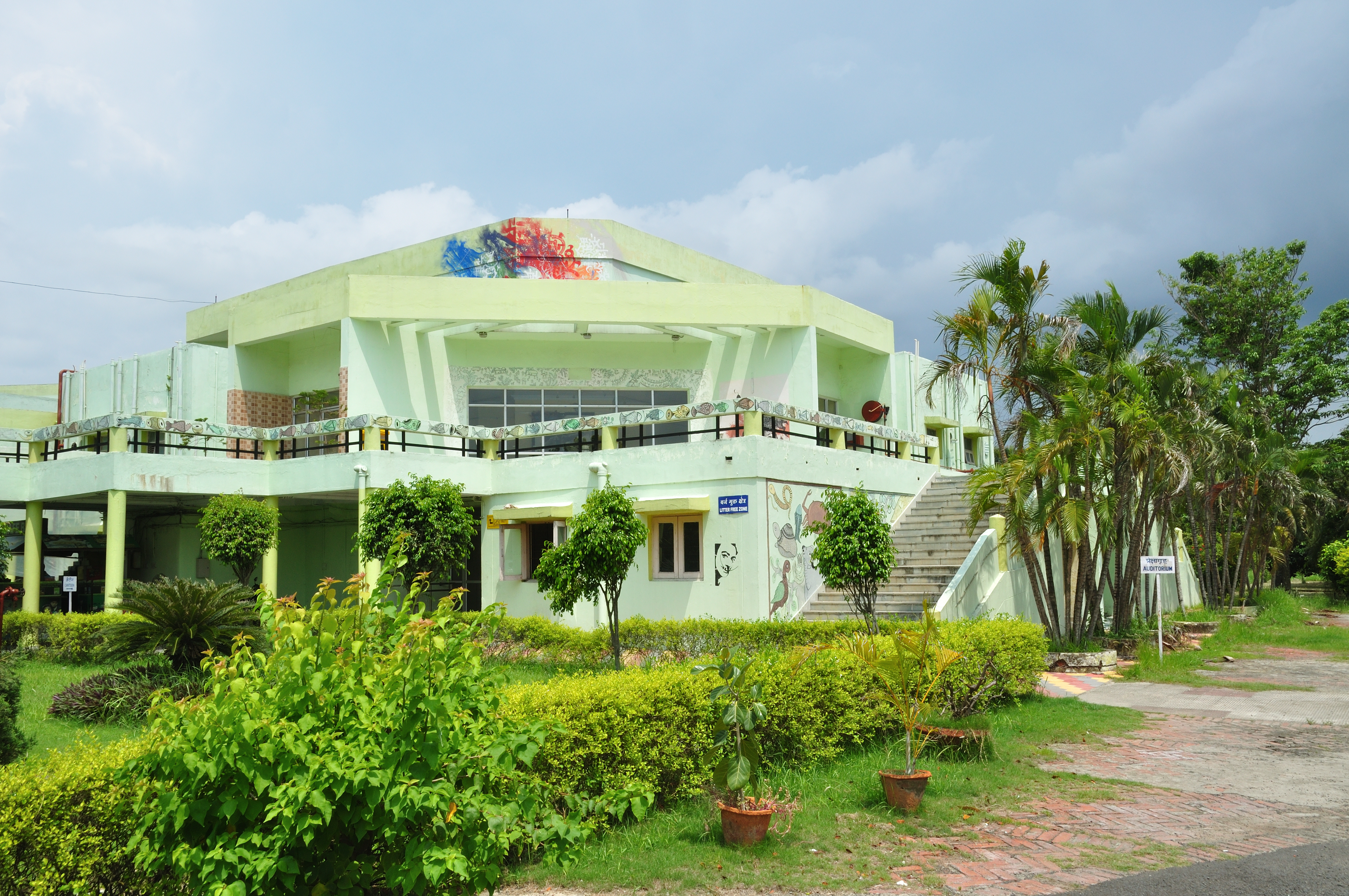
Satyajit Ray Film and Television Institute
When Satyajit Ray died in April 1992, Kolkata came to a standstill. Hundreds of thousands of people gathered outside his home to pay their respects to the man who had directed Pather Panchali, created the detective Feluda, and -- more than any other individual -- proved that Indian cinema could stand alongside the greatest filmmaking traditions in the world. Three years later, in 1995, the Indian government established a film school in his city and gave it his name. The Satyajit Ray Film and Television Institute is not merely a memorial. It is a working argument that the tradition Ray built can be taught, extended, and kept alive.
The Man Behind the Name
Satyajit Ray directed 36 films over a career that spanned four decades. His debut, Pather Panchali, released in 1955, portrayed a poor family in a Bengal village with a realism and poetic clarity that stunned audiences and critics worldwide. The film and its two sequels, known as the Apu Trilogy, established Ray as a major voice in world cinema. He went on to work across genres -- mystery, comedy, fantasy, period drama -- while maintaining a humanist sensibility that influenced filmmakers from Martin Scorsese to Wes Anderson. The Indian government awarded him the Bharat Ratna, the nation's highest civilian honor, in 1992. Forbes ranked him the eighth greatest film director of all time in 2024. Naming a film school after him was not a gesture of nostalgia. It was a statement of aspiration.
A School Takes Shape
The SRFTI was registered as a society on August 18, 1995, under the West Bengal Societies Registration Act. Funded by the Ministry of Information and Broadcasting, the institute was designed to provide professional education in the art and technique of filmmaking and television production. Its campus sits in Kolkata's Tollygunge area, the historic heart of the Bengali film industry -- a neighborhood so closely associated with cinema that it gave rise to the nickname Tollywood. By locating the institute here, the founders placed students within the living ecosystem of the industry they were training to enter.
Global Recognition, Local Roots
The institute is a member of CILECT, the International Liaison Centre of Schools of Cinema and Television, which connects it to film schools around the world. In 2019, CEOWorld Magazine ranked SRFTI among the best film schools globally, alongside the Film and Television Institute of India in Pune and the National School of Drama in New Delhi. Its alumni have gone on to shape contemporary Indian cinema across multiple languages and industries. Director Amal Neerad made the acclaimed Malayalam films Big B and Bheeshma Parvam. Sagar Ballary directed Bheja Fry, a Hindi comedy hit. Haobam Paban Kumar won National Film Awards for both best non-feature film and best film on social issues. Editor Namrata Rao cut some of Bollywood's sharpest films, including Ishqiya and Kahaani. Cinematographer Shehnad Jalal shot Bramayugam, one of the most visually distinctive Malayalam films in recent years.
The Weight of a Legacy
Carrying a great name means carrying its expectations. Ray's cinema was defined by its moral seriousness, its empathy, and its unflinching observation of human behavior. An institution bearing his name faces the challenge of living up to that standard not only in the quality of its graduates but in its own conduct. The institute has faced difficult periods, including allegations of sexual harassment in 2015, 2023, and 2024 that led to faculty suspensions and student protests. These episodes have tested the institution's capacity to protect its students and to embody the humanist values Ray championed. The school's future depends not only on producing talented filmmakers but on building the kind of institutional culture that deserves the name on its door.
From the Air
Located at 22.485N, 88.395E in the Tollygunge area of South Kolkata, the historic center of Bengali cinema. The campus is in a dense urban neighborhood near multiple film studios. Nearest major airport is Netaji Subhash Chandra Bose International Airport (VECC), approximately 16 km north-northeast. Recommended viewing altitude: 2,000-3,000 feet. Look for the Tollygunge metro station area and the cluster of film studios and green spaces in South Kolkata.