Schramsberg Vineyards
Jacob Schram was a barber. He cut hair for a living in San Francisco, despite having been born in 1826 into a winemaking family in Pfeddersheim, Germany. Something about the Napa Valley hillsides must have reminded him of the Rhine, because in 1862 he bought land in the hills above Calistoga, cleared the brush, and began planting grapes. Within fourteen years he had dug cellars into the hillside and was producing twelve thousand gallons of wine annually. By the 1880s, Robert Louis Stevenson had tasted eighteen of Schram's wines during a single visit and written about the experience in The Silverado Squatters, calling the vineyard "one of man's outposts in the wilderness." The barber had become a vintner whose wines were earning literary immortality.
The Barber's Vineyard
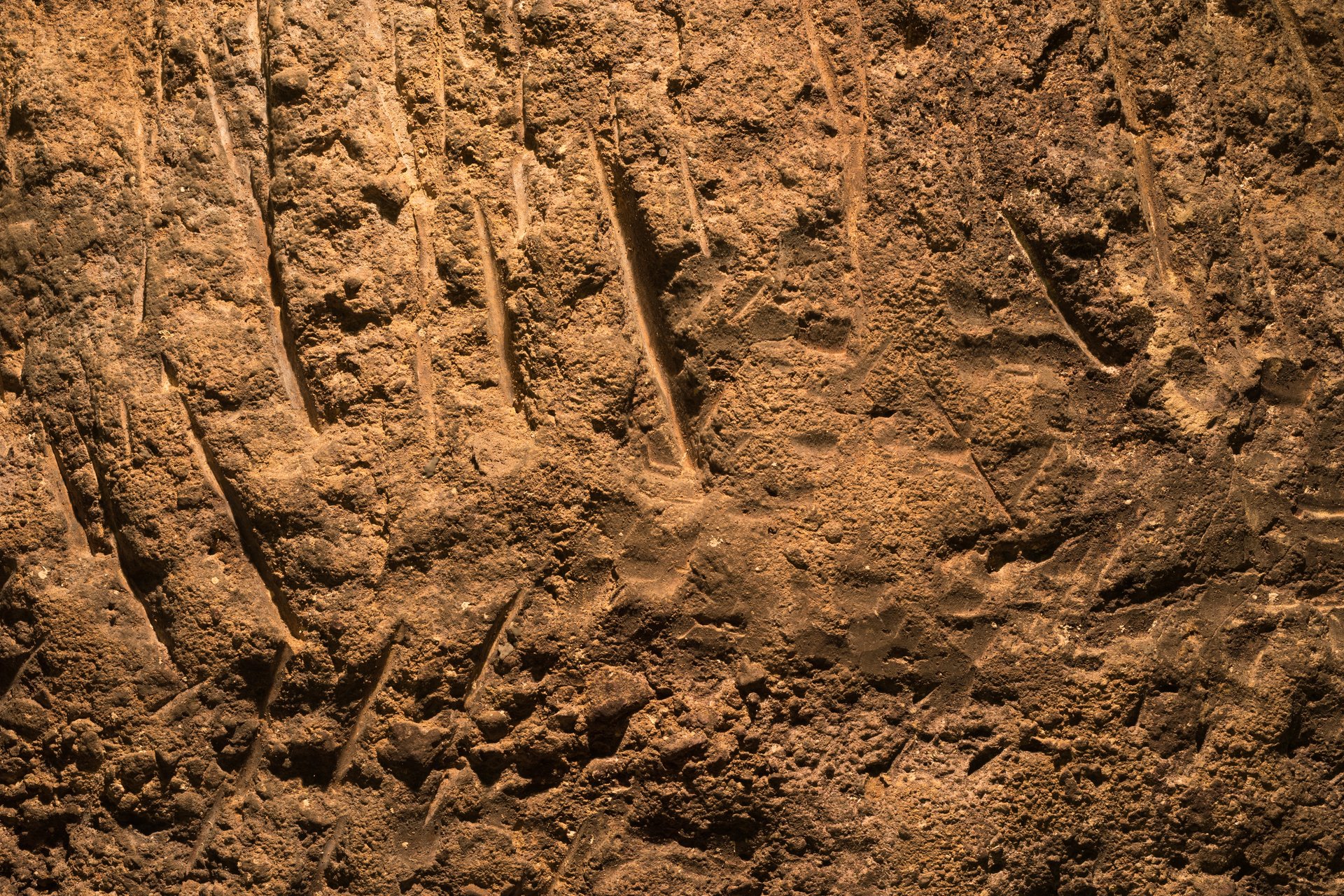
Schram arrived in the United States in 1852 and married Annie Weaver, also of German descent, in 1859. Three years later, they purchased the hillside property that would carry their name. Clearing land in the Napa hills was brutal work, but the couple planted a variety of grape cultivars and began producing wine. In the 1870s, Schram dug cellars into the property's hills, creating the cool underground spaces essential for aging. By 1876, Schramsberg was producing twelve thousand gallons, and within a few years the estate had expanded to over fifty acres producing twelve thousand cases each year. The winery's growing reputation drew visitors, including Stevenson, who arrived during his 1880 honeymoon with Fanny Vandegrift and her son Lloyd Osbourne. Stevenson's account in The Silverado Squatters made Schramsberg famous well beyond the valley. Annie Schram died in 1901, and Jacob followed in 1905, leaving the property and business to their son Herman.
Five Decades of Silence
Herman Schram could not sustain what his parents had built. He sold the property to the Sterling Investment Company after just a few years, and in 1916 it passed to W.J. McKillop, a wealthy San Francisco businessman who used the vineyard as a summer home. No grapes were crushed, no wines bottled. Over the next four decades, Schramsberg changed hands repeatedly: from McKillop to Captain Raymond C. Naylor, then to John Gargano in 1940, and finally to Douglas Pringle in 1951. None of these owners made wine. The cellars that Schram had carved from the hillside sat empty, the vines grew wild or were torn out, and the name that Stevenson had celebrated faded from memory. What saved Schramsberg from permanent obscurity was Pringle's wife, Katharine Cebrian, who lobbied successfully to have the winery designated a California Historical Landmark on December 31, 1956. The recognition preserved the property's identity even as its purpose lay dormant.
The Davies Revival
In 1965, Jack and Jamie Davies purchased Schramsberg with an audacious plan: they would produce sparkling wine using the traditional champagne method, the same labor-intensive process of secondary fermentation in the bottle that the great French houses employed. It was a gamble. California sparkling wine had little prestige at the time, and the traditional method required patience, expertise, and capital. The Davies committed to all three. They restored the cellars, replanted the vineyards, and began producing wines that critics would eventually call the first American sparkling wines to "match the style and quality of the best French Champagnes." The recognition was not merely critical: Schramsberg's wines have been served by every presidential administration since. In 1995, the winery received a Lifetime Achievement Award from the International Festival of Methode Champenoise, and in 1996 the James Beard Foundation awarded Schramsberg its Wine and Spirits Professional Award.
Born the Year It Began
Hugh Davies was born in 1965, the same year his parents purchased Schramsberg. He grew up among the vines and cellars, earned a master's degree in enology from UC Davis, and joined the winery full-time in 1996. The property was added to the National Register of Historic Places in 1998, cementing its dual significance as both a working winery and a historical site. Today Hugh serves as CEO, carrying forward a lineage that stretches back to Jacob Schram's first plantings in 1862. The story of Schramsberg is a story of reinvention: a German barber's dream, a Scottish novelist's admiration, half a century of neglect, and then a second family's determination to prove that California could make sparkling wine worthy of the world's finest tables. The cellars Schram dug by hand in the 1870s still hold bottles aging in the dark, the same cool hillside air doing the same slow work it has done for more than a century and a half.
From the Air
Schramsberg Vineyards is located at 38.5506N, 122.5396W in the hills above Calistoga at the northern end of the Napa Valley. The vineyard is tucked into a wooded hillside and is difficult to distinguish from the air, but the surrounding Napa Valley floor with its geometric vineyard patterns is unmistakable. Best viewed at 2,000-4,000 feet AGL when flying over the northern Napa Valley. The nearest airport is Napa County Airport (KAPC) approximately 20 nautical miles southeast. Mount Saint Helena rises prominently to the north. The Silverado Trail and State Route 29 bracket the valley floor below. Morning fog often fills the valley while the hillside vineyards remain in sunshine.