Sea War Museum Jutland
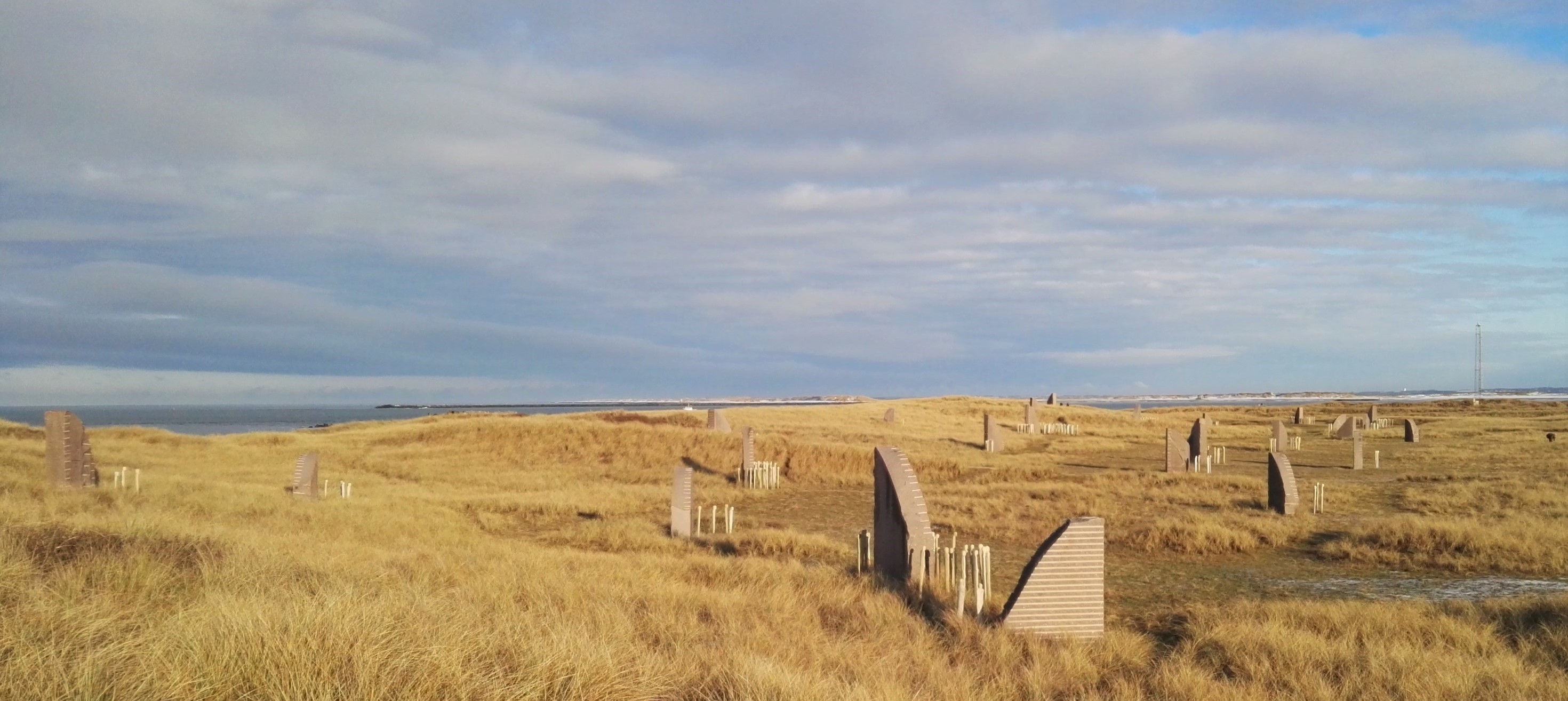
Three hundred white statues stand in rows on the windswept coast of Thyboron, each one representing a sailor who never came home. They are the beginning of something ambitious -- a memorial that hopes, one day, to include 8,645 figures, one for every British and German seaman who died at the Battle of Jutland on 31 May 1916. The Sea War Museum Jutland, which opened on 15 September 2015, exists to tell the story of that battle and the broader four-year war fought on, above, and below the surface of the North Sea.
Where Dreadnoughts Clashed
The Battle of Jutland was the largest naval engagement of the First World War. On 31 May and 1 June 1916, some 250 warships of the British Royal Navy and the German Kaiserliche Kriegsmarine met in the waters off Jutland's west coast. Twenty-five ships went to the bottom. More than 8,600 sailors lost their lives in a test of strength that both sides claimed as a victory -- the British because they maintained their naval blockade, the Germans because they inflicted heavier losses. The battle settled nothing decisively, but it demonstrated the terrifying scale of industrialized naval warfare. Whoever controlled the sea-lanes to England would control the war, and the North Sea became the stage where that contest played out.
From the Deep to the Display Case
The museum was founded by Gert Normann Andersen, a man driven by the conviction that the North Sea's wartime story deserved a permanent home. The exhibitions go well beyond Jutland itself. Visitors walk through galleries devoted to British and German U-boats, the Battle of Heligoland Bight, the Battle of Dogger Bank, the air war over the North Sea, seamine warfare, and torpedo technology. A section on marine archaeology documents the painstaking work of locating and surveying wrecks on the seabed. Among the most striking artifacts are pieces from SM U-20, the German submarine infamous for sinking the RMS Lusitania in 1915. U-20 ran aground on the Danish coast not far from Thyboron, and her salvaged conning tower is now part of the museum's collection -- a tangible connection between the exhibits and the shoreline just outside.
Granite and Silence
Outside the museum building, the Jutland Memorial Park translates numbers into something the mind can grasp. Twenty-six granite blocks stand in the park, each one commemorating a ship sunk during the battle, with an additional block for casualties aboard vessels that survived. The 300 white statues currently in place are deliberately spare -- simple human forms, featureless, standing shoulder to shoulder in the coastal wind. The effect is cumulative: what registers as an art installation at first gradually resolves into something far heavier. The memorial's designers chose Thyboron because the town sits close to where the battle actually took place. There is no artifice in the location. The same cold water that swallowed those ships laps at the shore a few hundred meters away.
A Living Record
The museum occupies a particular position in the landscape of war memorials. It commemorates both sides equally -- British and German dead are remembered without distinction. This is unusual for a war museum, and it reflects a Danish perspective: Denmark was neutral during the First World War, and the bodies and wreckage that washed up on Jutland's beaches arrived without allegiance. The fishermen of Thyboron buried what the sea brought them regardless of nationality. That tradition of impartial witness runs through the museum's approach. It tells the story of submarine warfare and zeppelin raids, of destroyer engagements and cruiser battles, without hero worship or triumphalism. The sea, it suggests, was indifferent to uniforms. The museum aims to be equally honest about what happened in the waters just offshore -- four years of cold, violent, and largely forgotten combat that helped determine the outcome of the war.
From the Air
Located at 56.71N, 8.22E in Thyboron on the western tip of the Limfjord opening, Jutland, Denmark. The town sits on a narrow spit between the North Sea and the Limfjord. Nearest airport: Thisted Airport (EKTS), approximately 40 km northeast. Karup (EKKA) is about 100 km east. Approach from the west over the North Sea for a sense of the vast open waters where the Battle of Jutland was fought. Fly at 1,500-2,500 ft for views of the memorial park's white statues against the green coastal landscape.