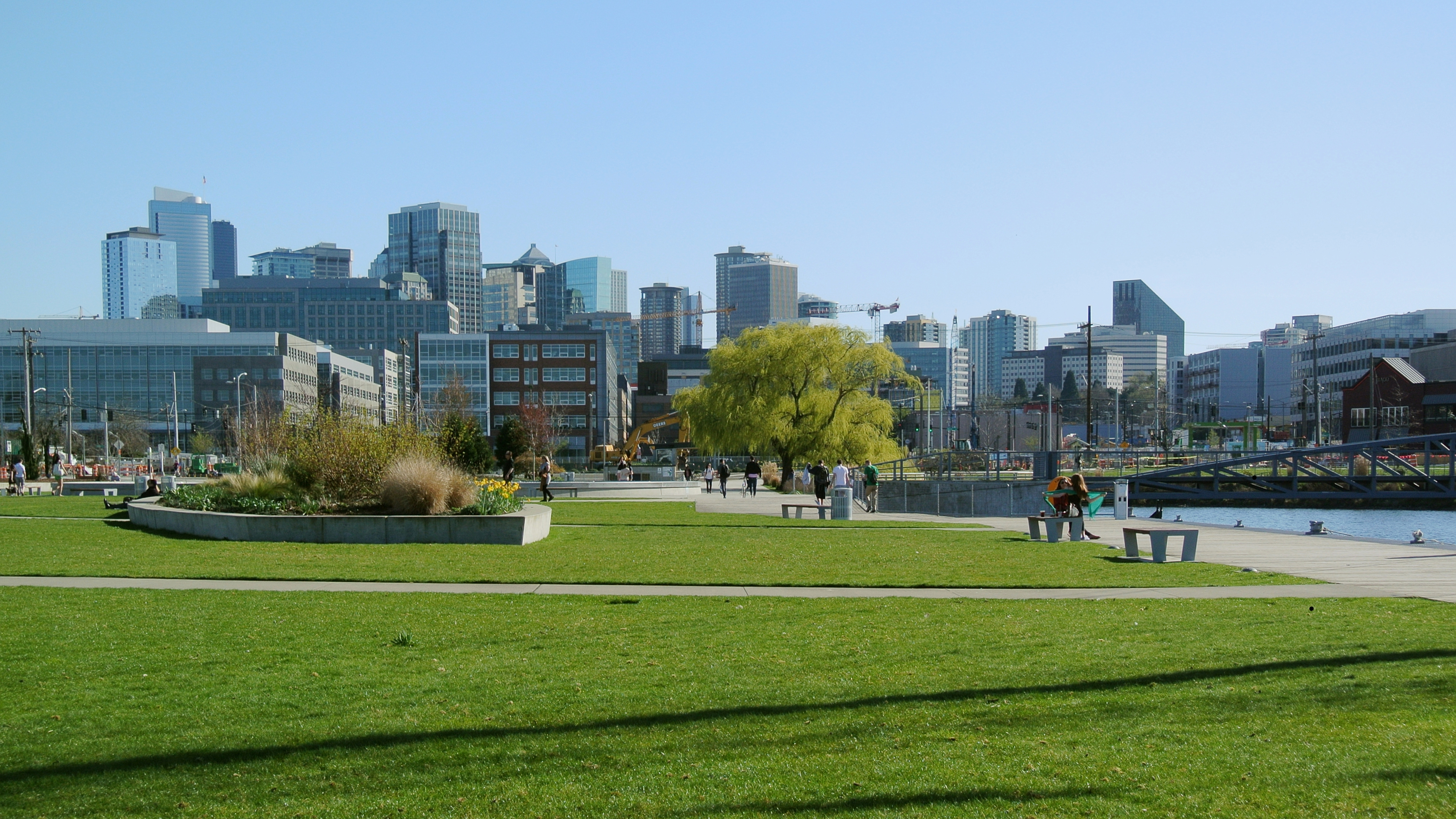
Seattle: The Emerald City That Rebuilt Itself on Top of Itself
Seattle exists in layers - literally. After the Great Fire of 1889 destroyed downtown, the city rebuilt one story higher, burying the original streets beneath the new ones. You can still tour the underground Seattle, walking through the buried sidewalks that residents once used. The city above those buried streets became the Pacific Northwest's dominant metropolis, powered first by timber and gold rush supply, then by Boeing, then by Microsoft and Amazon. The tech giants transformed Seattle from a provincial backwater into one of America's most expensive and fastest-growing cities. The growth brought cranes and traffic and homeless encampments; the coffee culture brought Starbucks to the world. Seattle is perpetually reinventing itself, each era buried beneath the next.
The Underground
The Great Fire of June 6, 1889, burned 25 blocks of downtown Seattle in 12 hours. The city that rose from the ashes was one story higher - streets raised to fix drainage problems, new buildings required to start at the new grade. The old sidewalks and storefronts became underground passages, used briefly before being sealed. Bill Speidel rediscovered the underground in the 1960s, opening tours that remain popular. The buried city is strange and claustrophobic, bank vault doors and purple glass skylights visible in the ceiling, a literal layer of history beneath the modern streets. Seattle built itself on top of its own grave.
The Tech
Microsoft was founded in Albuquerque but moved to Seattle in 1979, where Bill Gates and Paul Allen had grown up. Amazon followed in 1994, Jeff Bezos choosing Seattle for its tech talent and proximity to a major book distributor. The two companies transformed the city: housing prices quintupled, the downtown filled with office towers, the population surged with young workers. The 'Amazon effect' brought billions in investment and profound disruption - restaurants and bars flourished, but longtime residents couldn't afford rent. Seattle became a tech city with tech city problems: extreme wealth, extreme homelessness, and a population that doesn't quite remember what the city used to be.
The Grunge
In the late 1980s, Seattle's music scene developed a sound - heavy guitars, raw vocals, thrift store fashion - that would be labeled 'grunge.' Nirvana, Pearl Jam, Soundgarden, and Alice in Chains emerged from clubs like the Crocodile and the Off Ramp. Nirvana's 'Nevermind' hit number one in 1992; grunge went global. The fashion industry copied the flannel shirts and ripped jeans; the major labels signed every Seattle band they could find. Kurt Cobain's death in 1994 marked the movement's end. The clubs survive; the scene doesn't. Grunge was Seattle's moment of cultural dominance, three years when the city was the center of something important.
The Rain
Seattle's reputation for rain is exaggerated - the city receives less annual rainfall than New York, Miami, or Houston. What Seattle has is gray: overcast skies 200 days per year, drizzle that rarely becomes downpour, a persistent mist that requires no umbrella but perpetual dampness. The summer is glorious - 75 degrees, low humidity, endless daylight until 10 PM - but the winter is dark, the sun setting at 4:20 in December. Seasonal affective disorder is common; vitamin D supplements are routine. The gray is why Seattle invented coffee culture; the darkness is why it invented grunge. The rain is a lie; the gloom is real.
Visiting Seattle
Seattle is served by Seattle-Tacoma International Airport (SEA). Pike Place Market is essential, though tourists dominate; arrive early for the fish throwers and produce stalls. The Space Needle offers views that the Columbia Center provides more cheaply. The Seattle Underground Tour explores the buried city. The Museum of Pop Culture (MoPOP) celebrates music and science fiction. Capitol Hill offers nightlife; Ballard offers Scandinavian heritage and craft breweries. The ferries to Bainbridge Island provide the best cheap views. Summer is peak season; the weather is best July through September. Bring layers; the temperature shifts quickly.
From the Air
Located at 47.61°N, 122.33°W on Puget Sound between the Olympic Mountains to the west and the Cascades to the east. From altitude, Seattle appears as urban development on an isthmus between Lake Washington and Puget Sound - the downtown towers clustered near the waterfront, the neighborhoods extending north and south. Mount Rainier rises 14,411 feet to the southeast, visible on clear days. The Space Needle is identifiable from altitude. What appears from altitude as a Pacific Northwest metropolis is the Emerald City - where the streets were raised over the old ones, where grunge was born in dark clubs, and where Amazon and Microsoft transformed timber town into tech capital.