Second Battle of Quảng Trị
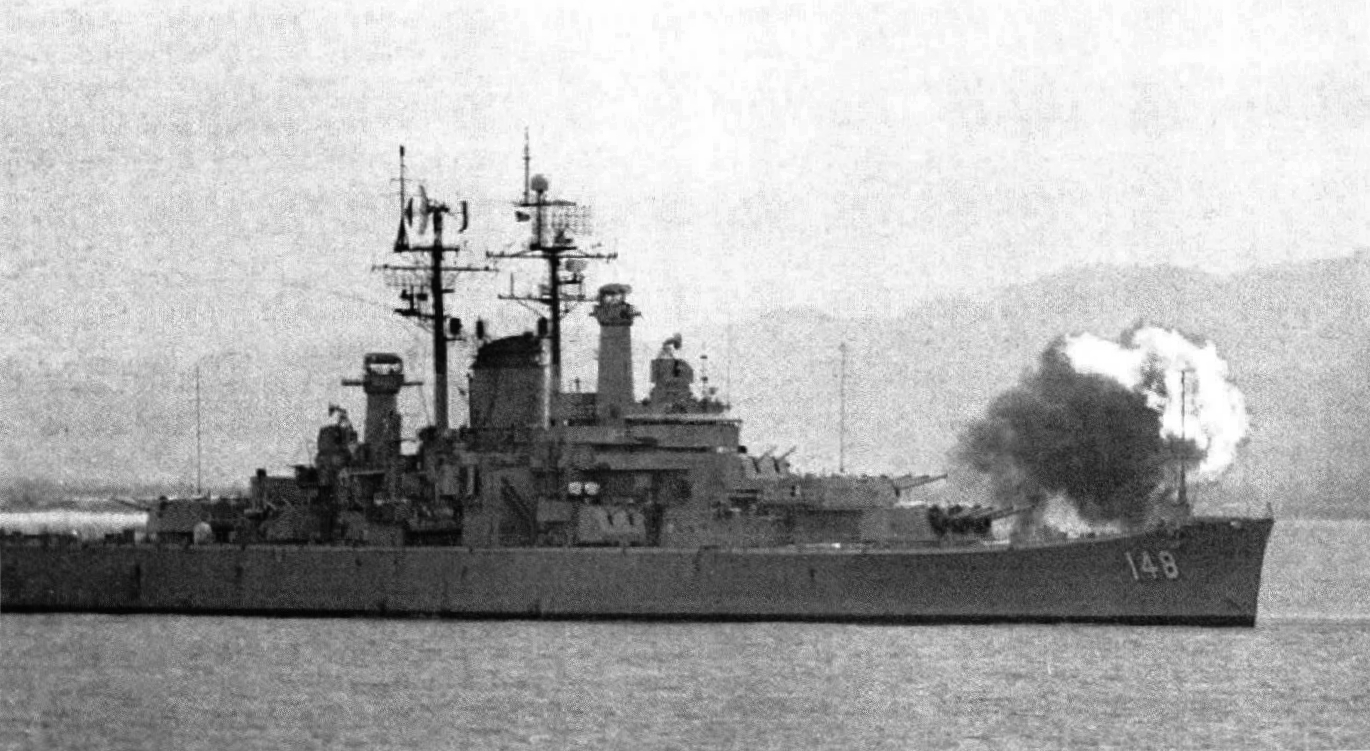
An American advisor watching the final weeks at Quảng Trị reached for a boxing metaphor: "They were like two fighters in the 14th or 15th round. They could hardly do anything but hold on to each other." By then, the battle had ground on for 81 days -- from June 28 to September 16, 1972 -- making it the longest sustained engagement of the entire Vietnam War. What made it distinct was not just its duration but its character. This was overwhelmingly a South Vietnamese fight. The ARVN planned the counteroffensive, led the assaults, and absorbed the casualties. The United States provided naval gunfire, air strikes, and B-52 runs, but no American infantry. The South Vietnamese won. Then they kept fighting for months more, because a ceasefire was coming, and every meter of ground held at the moment the pens hit paper in Paris would determine the shape of the peace.
How a Province Fell
In the spring of 1972, North Vietnam launched the Easter Offensive, sending conventional forces across the Demilitarized Zone for the first time in the war. The People's Army of Vietnam overran Quảng Trị Province in weeks. During the First Battle of Quảng Trị, from March 30 to May 2, the PAVN swept through the province while ARVN units broke and retreated. By late May, the situation looked catastrophic: Huế itself appeared threatened. But the ARVN regrouped along the Mỹ Chánh River, northwest of Huế, and with American support held the line. By June 26, the PAVN advance had been stopped. Now it was the South's turn. On June 14, I Corps commander Lieutenant General Ngô Quang Trưởng pitched President Nguyễn Văn Thiệu on a full counterattack to retake the province. Thiệu hesitated, preferring something smaller. Trưởng persuaded him with a blunt argument: they could do it by "employing the superior firepower of our American ally."
Eighty-One Days in the Rubble
The counteroffensive launched on June 28 with an amphibious feint by the 9th Marine Amphibious Brigade against Cửa Việt, which turned back seven kilometers from shore. Meanwhile, South Vietnamese Marines and Airborne troops advanced on Quảng Trị City from the south. The fighting was savage. Inside the Quảng Trị Citadel, PAVN defenders held on with replacement troops rushed in so fast that no one tracked their names or units. One North Vietnamese participant recalled a grim rhythm: "The new recruits came in at dusk. They were dead by dawn." South Vietnamese forces used every weapon available, including CBU-55 fuel-air explosives provided by the Americans. By July 20, the Marine Division had consolidated positions north of the city, but the Airborne was still trying to break in. When the ARVN finally recaptured Quảng Trị City on September 16, North Vietnamese losses were estimated between 4,000 and 10,000 killed. The South Vietnamese forces had won, but their manpower was devastated.
The River That Mattered Most
After the citadel fell, the battle did not end -- it transformed. The Thạch Hãn River became the strategic prize. Whoever controlled it controlled supply routes deep into Quảng Trị Province, and with ceasefire negotiations underway in Paris, both sides understood that the final line of contact would become the de facto border. In October, Colonel Nguyễn Năng Bảo's 147th Brigade pushed north along Route 560, a highway running through marshland between the Thạch Hãn and Vĩnh Định rivers. PAVN snipers fired from bamboo thickets at point-blank range. The Marines advanced for three days against heavy resistance, killing 111 PAVN soldiers. On November 1, the 369th Brigade attempted a river crossing west of Quảng Trị, sending 600 Marines across by sampan and barge under cover of darkness. Some drowned when boats overturned. Those who made it across were pinned down 500 meters from the riverbank. All company commanders in one advancing element were killed, more than 40 Marines went missing, and by nightfall the 6th Battalion withdrew. It was the Marines' last attempt to cross the Thạch Hãn before the ceasefire.
Monsoon and Stalemate
The monsoon arrived in October and did not relent until December. The coastal marshlands east of Quảng Trị, already threaded with rivers, became impassable. Route 555 was obliterated by floodwater. Both sides suffered equally in the mud and rain. The PAVN, despite severe resupply problems, fired five times more ordnance in November than in October, determined to prevent the Marines from reaching the Thạch Hãn. North Vietnamese units pressed so close to Marine positions that calling in air strikes risked hitting friendly forces. On one occasion, B-52s struck six hill masses -- the only high ground above the flooded lowlands -- and then re-struck three of them six minutes later, killing PAVN soldiers who had survived the first bombing. By December, the front lines had stabilized with the Marines no closer than three and a half miles from the river. Documents recovered from PAVN dead revealed that at least three regiments -- the 27th, 48th, and 101st -- were committed to pinning the Marines in place.
Racing the Clock to Paris
As 1973 began, both armies probed and counterprobed in light contact, waiting for the political outcome that would freeze the map. On January 15, with the Paris Peace Accords certain to be signed on January 27, Marine commander Lân ordered a final push toward the Thạch Hãn with infantry and tanks. The effort produced the Battle of Cửa Việt: South Vietnamese forces recaptured the port on January 28, the day the ceasefire took effect, only to retreat three days later when the PAVN counterattacked in violation of the treaty. The Second Battle of Quảng Trị ended, then, not with a clean resolution but with exhaustion. Both armies had fought themselves to a standstill over a province that would change hands again in 1975. The South Vietnamese soldiers who bled for 81 days to retake it earned a victory that history would classify as Pyrrhic -- won at a cost that weakened the very army that had prevailed.
From the Air
Coordinates: 16.733°N, 106.967°E, in Quảng Trị Province, central Vietnam. The Quảng Trị Citadel ruins and the Thạch Hãn River are the primary landmarks. Best viewed at 3,000-5,000 feet AGL for the full battlefield perspective, including the river crossings and Route 560 corridor through the marshland. The DMZ lies approximately 30 km to the north. Nearest airports: Dong Ha airfield (formerly military) and Phu Bai International Airport (VVPB), roughly 60 km south-southeast near Huế. The flat coastal terrain with intersecting rivers and marshland is clearly visible from altitude.