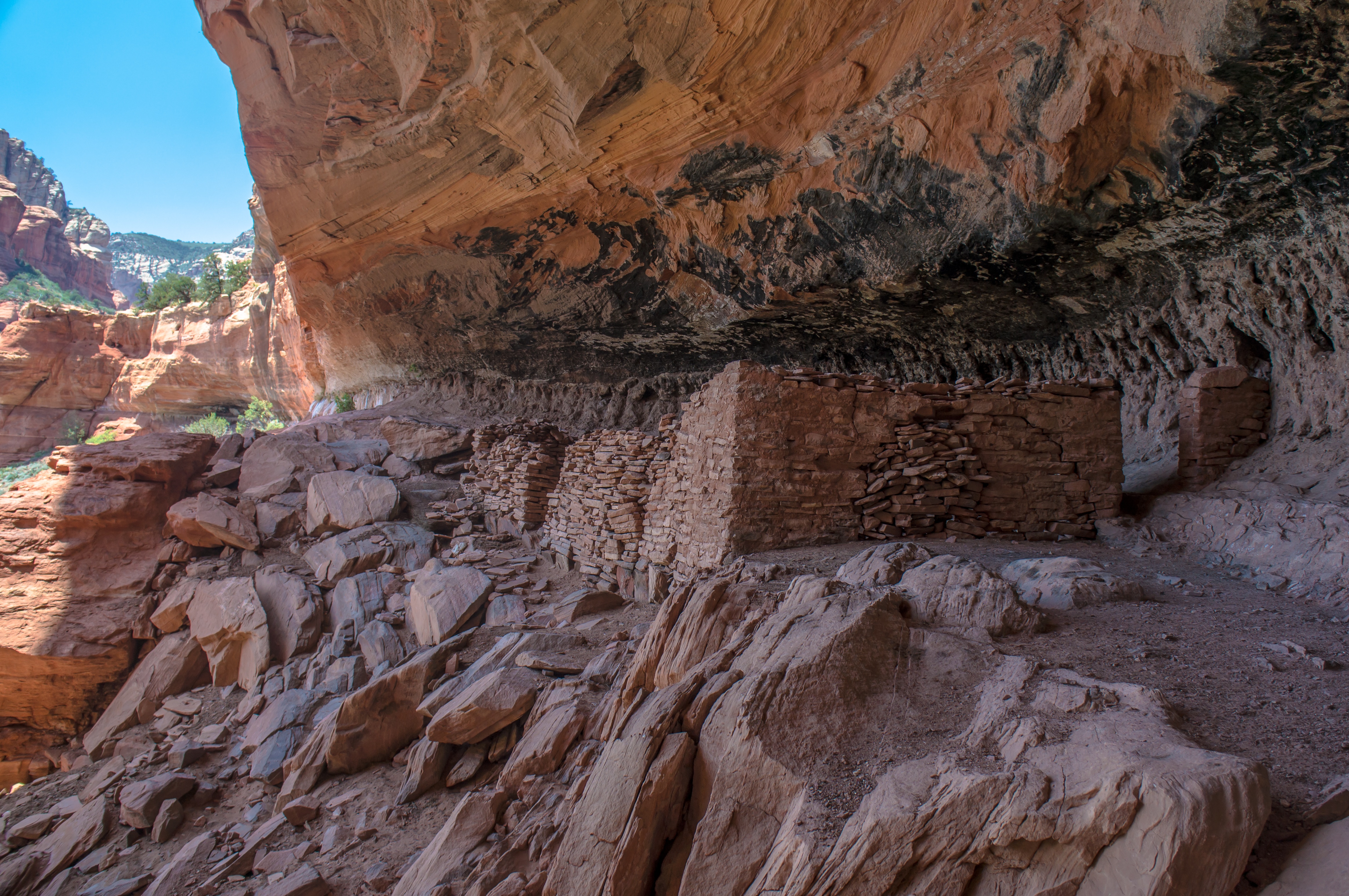
Sedona Vortexes: Where Red Rocks Channel the Cosmos
The red rocks of Sedona are undeniably spectacular - sandstone formations glowing crimson and orange against Arizona blue, sculpted by erosion into shapes that suggest temples, cathedrals, portals. In 1980, a local psychic named Page Bryant channeled a message: certain sites around Sedona were vortexes - places where the earth's spiritual energy spiraled upward, amplifying human consciousness. The idea caught fire. Within a decade, Sedona transformed from a modest arts community into America's New Age capital. Millions visit annually to meditate at Bell Rock, hike Cathedral Rock, or simply feel what the rocks allegedly radiate. Scientists find no unusual energy. Believers don't need scientists.
The Vortexes
Four primary vortex sites anchor Sedona's spiritual geography: Airport Mesa, Bell Rock, Cathedral Rock, and Boynton Canyon. Each allegedly has different properties - some masculine (uplifting, energizing), others feminine (calming, introspective). Visitors report sensations ranging from tingling to profound emotional experiences. The twisted juniper trees near vortex sites, their trunks spiraling like corkscrews, are cited as physical evidence of the swirling energy. Geologists attribute the tree shapes to harsh growing conditions. Believers see confirmation. The debate is essentially unfalsifiable, which hasn't stopped millions from making the pilgrimage.
The Industry
Sedona has monetized the metaphysical. Psychic readings, crystal shops, aura photography, past-life regression therapy, sound healing - the spiritual services industry generates hundreds of millions annually. Tour companies offer jeep trips to vortex sites with guide interpretation. Retreat centers host workshops on everything from chakra balancing to alien contact meditation. The skeptical dismiss it as exploitation of the gullible; the faithful find it validates their beliefs. The reality is probably both: sincere seekers and cynical entrepreneurs coexisting in a landscape strange enough to make anything seem possible.
The Landscape
Set aside the metaphysics: Sedona is genuinely beautiful. The red rocks - Permian sandstone stained by iron oxide - create a landscape unlike anywhere else in America. Bell Rock rises like a monolithic temple. Cathedral Rock's spires evoke medieval architecture. The crimson formations against blue sky produce light that has attracted artists since the early 20th century. The town sits at 4,500 feet elevation in high desert terrain; summers are hot but winters mild. The beauty is objective; whether it carries spiritual significance is a matter of faith. Even skeptics find the scenery affecting.
The History
Before the vortexes, Sedona was an art colony. Painters and sculptors arrived mid-century, attracted by the landscape and cheap land. The town remained small until the 1980s spiritual explosion. Now roughly 10,000 people live in Sedona proper, with tourism driving the economy. The New Age identity has transformed everything: real estate prices rival coastal cities; galleries sell both fine art and healing crystals; the demographic skews toward retirees and spiritual seekers. The transformation happened within a single generation, an entire town reinventing itself around a channeled revelation.
Visiting Sedona
Sedona is located roughly 115 miles north of Phoenix via Interstate 17 and Highway 179. The scenic approach through Oak Creek Canyon is recommended. Vortex sites require varying levels of hiking - Airport Mesa is accessible, Bell Rock and Cathedral Rock involve moderate trails. Jeep tours offer backcountry access and interpretation. The downtown area (Uptown Sedona and Tlaquepaque) has galleries, restaurants, and spiritual services. Lodging ranges from budget motels to high-end resorts. Visit spring or fall for optimal weather. Weekends are crowded; visit midweek if possible. Bring water and sun protection for any hiking. Skepticism optional.
From the Air
Located at 34.87°N, 111.76°W in central Arizona's Verde Valley. From altitude, Sedona's red rock formations are dramatically visible - crimson and orange sandstone contrasting with the green of riparian vegetation and the brown of surrounding desert. Bell Rock and Cathedral Rock are identifiable landmarks. The town appears as development clustered in the valley between rock formations. Oak Creek Canyon cuts north toward Flagstaff. The Colorado Plateau terrain extends in all directions. The landscape is genuinely striking from any altitude - whatever spiritual properties the rocks may or may not possess, their visual impact is undeniable. The red formations glow in morning and evening light.