Sedona: Where Red Rocks Meet New Age Believers
The red rocks are undeniable. Cathedral Rock, Bell Rock, Airport Mesa - sandstone formations that glow orange and red in Arizona light, sculpted by erosion into shapes that seem designed rather than accidental. What's debatable is whether these rocks channel spiritual energy through 'vortexes' that visitors come from around the world to experience. Sedona's New Age identity developed in the 1980s and now dominates the town's economy: psychic readers, crystal shops, vortex tours, aura photography, spiritual retreats. The believers are sincere; the skeptics are frustrated; the rocks don't comment. What's certain is that the landscape provokes responses - awe, reverence, or something stranger - that make Sedona unlike any other place in Arizona.
The Landscape
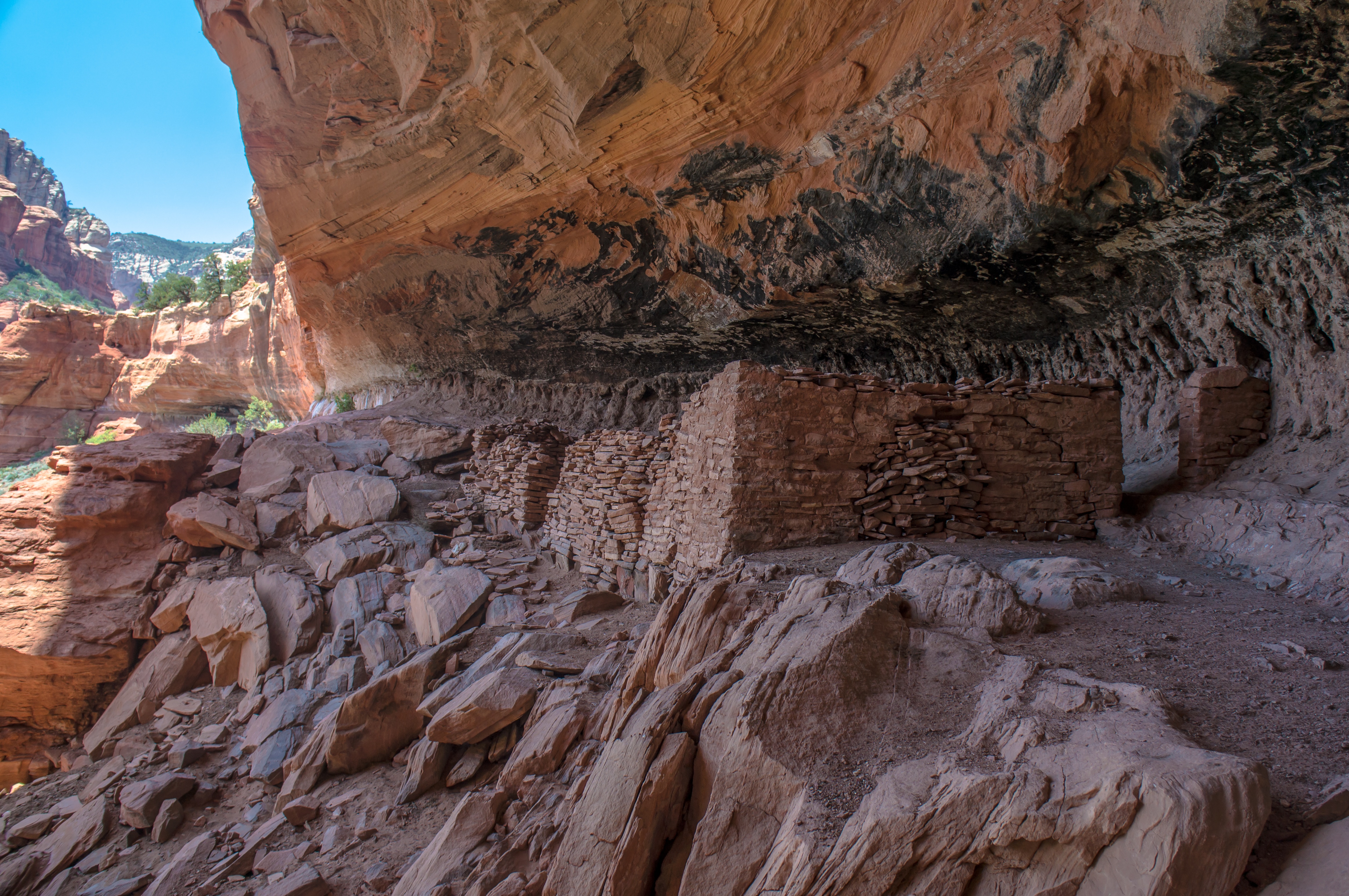
Sedona's red rocks are Permian and Triassic sandstone, deposited 280-225 million years ago and exposed by erosion of the Colorado Plateau. Iron oxide creates the red color; layering creates the banded appearance. The formations are genuinely spectacular: Cathedral Rock's twin spires, Bell Rock's dome, the Court of the Patriarchs' parade of buttes. Oak Creek Canyon provides riparian contrast - green cottonwoods against red cliffs. The beauty is objective; artists, photographers, and filmmakers have been drawn here since the 1920s. What the New Age movement added was a spiritual interpretation of landscape that previous visitors experienced as merely scenic.
The Vortexes
Sedona's four main vortexes were identified by a psychic named Page Bryant around 1980. Bell Rock, Cathedral Rock, Airport Mesa, and Boynton Canyon allegedly concentrate earth energy that sensitive people can feel. The experience varies: tingling, altered perception, emotional release, or nothing at all. No scientific evidence supports the existence of vortex energy; no measurement has detected what believers report experiencing. Skeptics note that similar claims are made about spectacular landscapes worldwide - perhaps it's the beauty, not the metaphysics, that moves people. Believers counter that science measures what science can measure, not all that exists. The debate is irresolvable.
The Industry
Sedona's spiritual tourism generates substantial economic activity. Psychic readers, healers, crystal shops, and retreat centers occupy prime real estate. Vortex tours transport visitors to the sacred sites with guides who explain (or demonstrate) the energy. Aura photography captures your electromagnetic field in color. Sound healing, past life regression, chakra balancing, and dozens of other modalities are available. The concentration of spiritual services is unmatched anywhere in North America. Whether the practitioners are sincere, deluded, or commercial varies individually; collectively, they've created an industry that shapes Sedona's identity and economy.
The Art
Before the vortexes, Sedona attracted artists. The Sedona Art Center was founded in 1958; galleries proliferated. The landscape inspired Southwestern art - red rocks, Native American themes, desert light. The arts colony and New Age community now coexist, overlapping in some areas (visionary art), ignoring each other in others. The galleries on Main Street range from serious contemporary work to tourist schlock. The quality is secondary to the setting: art displayed against red rock backdrops gains intensity from the landscape. Sedona proves that beautiful places attract creative people, whatever they create.
Visiting Sedona
Sedona is located in central Arizona, approximately 120 miles north of Phoenix via Interstate 17 and Highway 179. The town is small but tourist facilities are extensive - hotels, restaurants, galleries, tour operators. The vortex sites are accessible by car with short hikes: Bell Rock and Cathedral Rock are most popular. Oak Creek Canyon's swimming holes offer summer cooling. The Chapel of the Holy Cross, built into red rock, merges architecture with landscape. Tlaquepaque Arts Village offers upscale shopping. Red Rock State Park and Slide Rock State Park provide nature experience. Traffic can be severe on weekends. The experience depends on expectations: if you come for hiking and scenery, satisfaction is guaranteed. If you come for vortex energy, your mileage may vary.
From the Air
Located at 34.87°N, 111.76°W in central Arizona's red rock country. From altitude, Sedona appears as a town nestled among spectacular red and orange formations - the rock colors unmistakable even from significant height. Oak Creek Canyon cuts through the landscape to the north. The formations that define Sedona - Bell Rock, Cathedral Rock, Coffee Pot Rock - are individually identifiable from altitude, their distinctive shapes casting shadows across the desert. Highway 179 and 89A wind through the terrain. Flagstaff is visible to the north atop the Mogollon Rim; Phoenix sprawls to the south. The landscape that inspires spiritual interpretation is visible as what it physically is: eroded sandstone formations of unusual beauty. What people experience there requires being there.