Seneca Falls: Where Women Demanded the Vote
On July 19, 1848, in a small chapel in Seneca Falls, New York, 300 people gathered to discuss a radical proposition: that 'all men and women are created equal.' Elizabeth Cady Stanton read the Declaration of Sentiments, modeled on the Declaration of Independence, listing grievances against a system that denied women property rights, education, and political voice. One hundred people signed, including 68 women and 32 men. The most controversial resolution - calling for women's voting rights - passed narrowly. The movement born that day would take 72 years to achieve its primary goal; Stanton and most original signers died before women could vote. Seneca Falls is where the revolution started, and where visitors can stand in the chapel (rebuilt from original foundations) and understand what it meant to demand the impossible.
The Gathering
The Seneca Falls Convention was organized in two weeks by five women, four of them Quakers, who had been working in the abolition movement and recognized that arguments for human equality applied to sex as well as race. Elizabeth Cady Stanton, a young mother and fierce intellect, drafted the Declaration of Sentiments. Lucretia Mott, a veteran abolitionist, provided credibility. The convention was announced in the local newspaper, inviting women only for the first day, then all people for the second. Three hundred came. The declaration passed unanimously except for Resolution 9 - voting rights - which barely achieved a majority. Even among reformers, female suffrage seemed extreme.
The Declaration
The Declaration of Sentiments follows the Declaration of Independence almost word for word, substituting grievances against male supremacy for grievances against King George. 'We hold these truths to be self-evident: that all men and women are created equal.' The document lists injuries: denial of property rights, of education, of employment, of legal standing. 'He has made her, if married, in the eye of the law, civilly dead.' The power of the document lies in its familiarity - it uses the language of American founding to argue that the founding was incomplete, that liberty must include women or mean nothing at all.
The Wait
The 19th Amendment, granting women the right to vote, was ratified on August 18, 1920 - 72 years after Seneca Falls. Elizabeth Cady Stanton died in 1902, never having cast a legal vote. Of the 100 signers of the Declaration of Sentiments, only Charlotte Woodward Pierce lived to see the amendment ratified; she was too ill to vote in the 1920 election. The movement the convention launched split over strategy, regrouped, suffered setbacks, and ultimately prevailed through decades of organizing, protest, and persuasion. What seemed radical in 1848 became inevitable by 1920. The chapel where it started was torn down, rebuilt, and is now a national historic site.
The Park
Women's Rights National Historical Park preserves the sites connected to the 1848 convention and the broader suffrage movement. The Declaration Park includes the Wesleyan Chapel remains - the original walls rebuilt on their foundations. The visitor center displays artifacts and tells the story of the movement. The Elizabeth Cady Stanton House, where she lived and wrote, is open for tours. The park also interprets related sites including the home of early feminist Mary Ann M'Clintock. The exhibits connect Seneca Falls to the broader context of reform movements and the long struggle for equal rights that continues beyond suffrage.
Visiting Seneca Falls
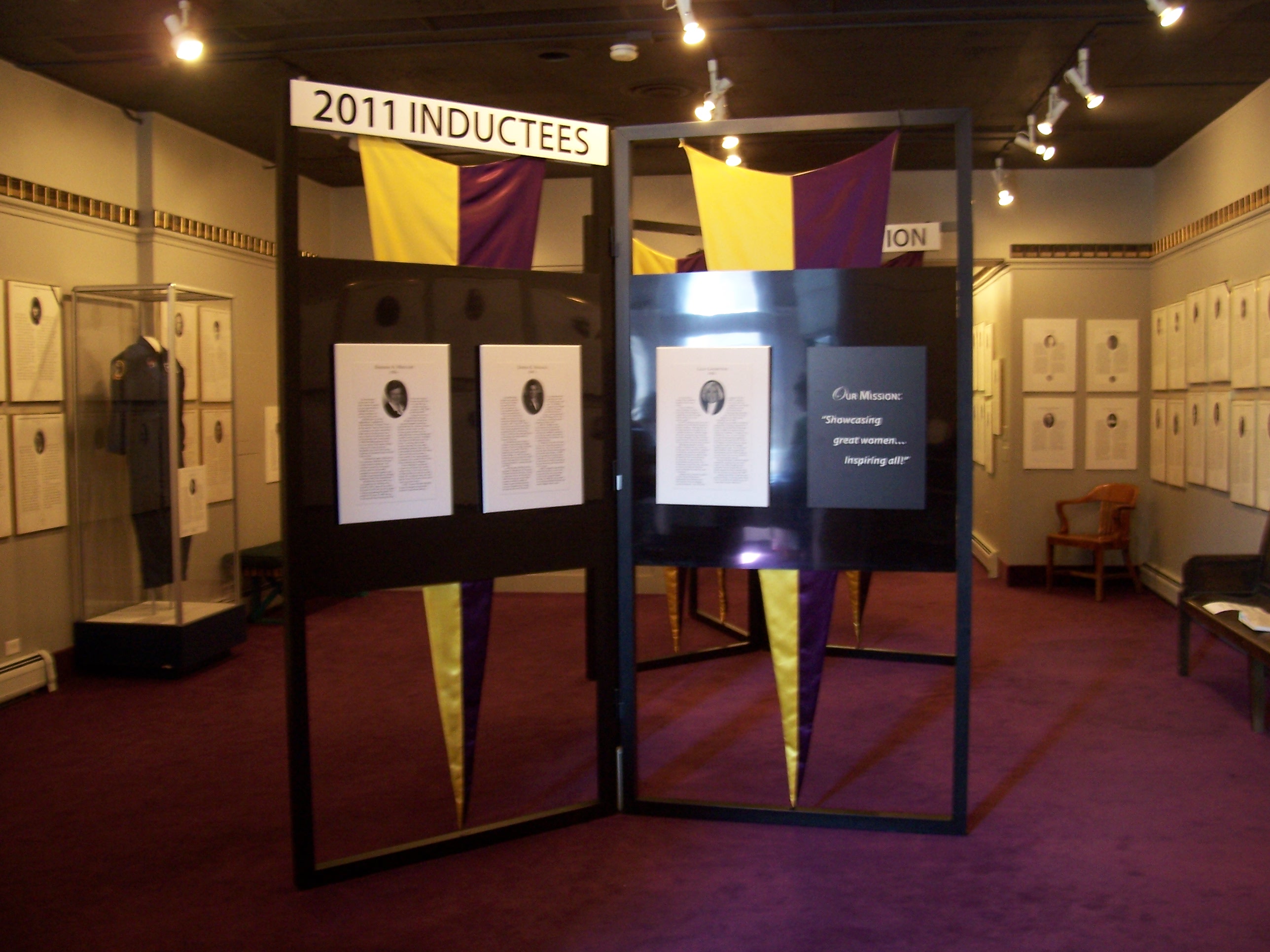
Women's Rights National Historical Park is located in Seneca Falls, New York, in the Finger Lakes region. The visitor center and Declaration Park are downtown on Fall Street. The Elizabeth Cady Stanton House is open for tours (check hours). The National Women's Hall of Fame is also in Seneca Falls, honoring women's achievements across fields. The town is in New York's wine country - wineries and lakeside tourism surround the historic sites. Syracuse is 40 miles east; Rochester is 45 miles west. The park is free. Allow half a day for the park; longer if you're visiting related sites or exploring the Finger Lakes. What started here changed America; it's worth understanding how.
From the Air
Located at 42.91°N, 76.80°W in the Finger Lakes region of New York State. From altitude, Seneca Falls is visible as a small town at the north end of Cayuga Lake - one of the long narrow lakes that define this region. The Seneca-Cayuga Canal passes through town. The terrain is rolling farmland and vineyards characteristic of the Finger Lakes. Syracuse is visible to the east; Rochester to the west. The town is small - population around 6,000 - but its significance is outsized. The chapel where the convention met is invisible from altitude, but the declaration signed there expanded American democracy to include half the population.