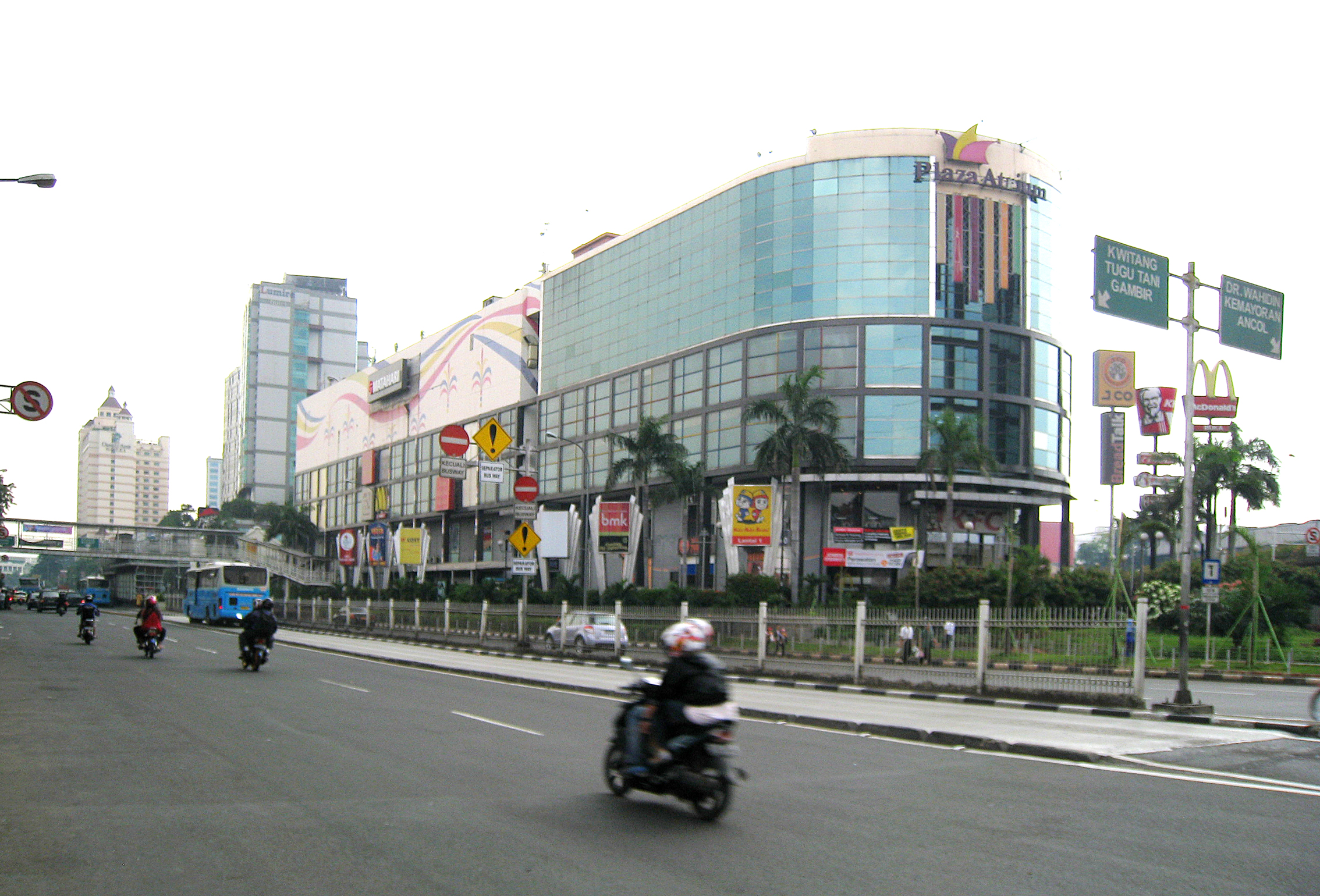
Senen
They called it Planet Senen. The nickname was a joke borrowed from the 1960s space race -- a playful nod to how far removed this Jakarta district felt from the rest of the city, as though it orbited on its own trajectory. But the name stuck because it was accurate. By the late 1950s, this ancient market district had become Jakarta's main red-light district, a place local authorities called a "daerah hitam" -- a black zone, ungoverned, where dead bodies were occasionally found on the side of the road. The same streets that drew prostitutes, gamblers, and pickpockets also drew poets, musicians, and actors. Senen was not respectable, but it was alive in ways that respectable places were not.
A Dutchman's Monday Market
Senen's origins are precise. On August 30, 1733, a Dutch entrepreneur named Justinus Vinck established two markets to serve the bovenstad -- the upper town of Batavia. Pasar Tanah Abang went to the southwest of Koningsplein; Pasar Senen went to the east, anchoring the Weltevreden suburb whose Dutch name meant "well-contented." A road connecting the two markets -- weg van Tanabang naar Weltevreden -- would eventually become modern Jalan Kwitang and KH Wahid Hasyim. Pasar Senen grew into the focal point of Weltevreden's social and military life, straddling what is now the Segitiga Senen triangle and the government-owned market between the railway station and Senen Street. By the 19th century, the market had become the gateway for people traveling from the kampung to the east, and Chinese-style shophouses filled its narrow alleyways -- Gang Wang Seng, Gang Kenanga Noord, Gang Kenanga Zuid -- creating a commercial labyrinth that persisted for over a century.
Rails, Trams, and Rex Cinema
The late 19th century brought railways and tramlines through Pasar Senen. A railway station opened east of the market in 1886, initially serving logistics; a newer station replaced it a few yards further east in 1925. The arrival of rail turned Senen into Jakarta's busiest commercial and entertainment center. By the early 20th century, cinemas appeared -- the Rex Theatre, later renamed and re-renamed across decades of political upheaval. The Rex became Kramat Theatre, then received the patriotic name "November 1946" after a post-independence renovation, and eventually became the Grand Theater. Its golden age stretched from the 1930s through the 1950s, before television arrived in Indonesia. The Grand Theater survived the television era by pivoting to low-budget horror and erotic films, outlasting even the Globe -- Jakarta's oldest cinema, which opened in 1910 and closed in 2009. The Grand Theater itself finally went dark in 2016.
The Artists of Planet Senen
What made Planet Senen remarkable was its refusal to be only one thing. The same district that was Jakarta's main red-light district was also its most fertile artistic incubator. Doger dancers -- women in tight, thin kebaya dresses and locally made lipstick -- performed for paying audiences near the railway station, blurring the line between entertainment and prostitution. But a few blocks away, the Seniman Senen -- the artists of Senen -- gathered in local venues to argue about philosophy and aesthetics. Benyamin Sueb, who would become one of Indonesia's most beloved comedians and actors, started here. So did Bing Slamet, Misbach Yusa Biran, and the poet Rendra Karno. Dangdut, the percussive urban music genre that became Indonesia's most popular sound, developed in marginalized neighborhoods like Planet Senen in the late 1960s and early 1970s. Rhoma Irama, the genre's greatest star, launched his career from these streets.
The Bulldozers of Project Senen
In 1962, the Jakarta government partnered with private investors to form PT Pembangunan Jaya, a joint venture tasked with modernizing Senen. Project Senen replaced the old Chinese shophouses with six blocks of modern market buildings, constructed sequentially from 1962 to 1977. The plan displaced the human ecosystem of Planet Senen by design. In 1973, Governor Ali Sadikin shut down the district's prostitution and gambling operations, relocating sex workers to Kramat Tunggak in North Jakarta -- which would itself become the city's largest red-light district in later years. The artists migrated too, finding a new home when the Taman Ismail Marzuki Arts Center opened in nearby Cikini in 1968. What had been organic and chaotic became planned and commercial. In 1990, the government added the Atrium shopping center, which briefly hosted Yaohan and Marks & Spencer before the 1997 Asian financial crisis swept those tenants away.
The Malari Fires
Planet Senen's most violent chapter began on January 15, 1974, when students from the district's youth center marched to protest foreign investment policy. The demonstration started at the front of the Senen market and escalated into the Malari incident -- a series of riots that targeted visible symbols of Japanese economic influence, including an Astra dealership selling Toyota cars on Sudirman Street. The violence then shifted into an anti-Chinese pogrom, with rioters attacking stores owned by ethnic Chinese Indonesians, including the Senen shopping complex itself. The district that had absorbed so many communities -- Bantenese, Sundanese, Minang, Batak traders alongside the original Chinese merchants who had filled its alleys since the colonial era -- became the stage for the ethnic violence that periodically scars Indonesian public life. Today, Senen is being reimagined again through transit-oriented development tied to the Jakarta Mass Rapid Transit. The market still operates. The railway station still serves commuters. The layers keep accumulating, each one burying the one before.
From the Air
Located at 6.188S, 106.847E in Central Jakarta, east of Merdeka Square. The Pasar Senen railway station and bus terminal complex is identifiable from low altitude. The Ciliwung River marks the district's western boundary. Merdeka Square and the National Monument (Monas) are approximately 2 km to the west. Nearest major airport is Soekarno-Hatta International (WIII), about 28 km northwest. Halim Perdanakusuma Airport (WIHH) is approximately 10 km southeast. Best viewed at low altitude where the market complex and railway station are visible.