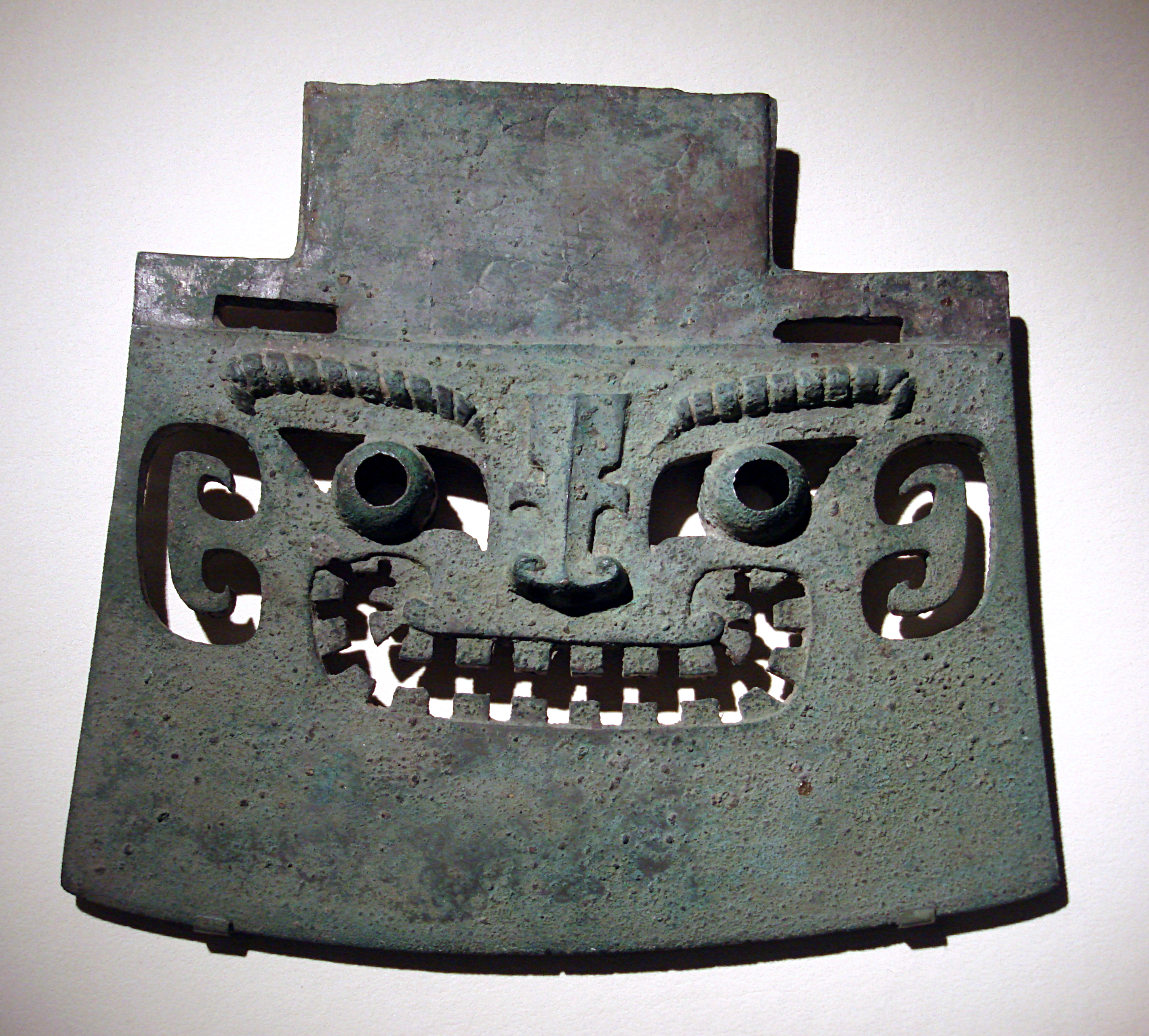
Shang Dynasty
Before the Shang, Chinese history is myth. After the Shang, it is documented. The transition happened here, in the Yellow River valley of northern Henan, where a dynasty that ruled from roughly the sixteenth to the eleventh century BCE left behind the first Chinese writing: thousands of inscriptions scratched into animal bones and turtle shells, recording questions posed to the gods about war, weather, harvests, and the health of kings. The Shang dynasty, also known as the Yin dynasty, transformed a Bronze Age kingdom into the foundation of Chinese civilization, and the evidence of that transformation lies scattered across the plains around Anyang.
From Legend to Evidence
For centuries, the Shang existed only in later texts: the Book of Documents, the Bamboo Annals, the Shiji. Scholars debated whether the dynasty was historical or legendary, a foundation myth invented by later rulers to legitimize their own power. That changed dramatically in the late nineteenth century when inscribed oracle bones began appearing in traditional medicine shops in Anyang, sold as "dragon bones" to be ground into powder. When scholars realized the inscriptions were three-thousand-year-old divination records, the Shang shifted from legend to the most thoroughly documented dynasty of its era. Modern scholarship now dates the Shang between the sixteenth and eleventh centuries BCE.
The Art of Bronze
Shang bronze work represents one of the highest achievements of Bronze Age metallurgy anywhere in the world. Using piece-mold casting, a technique unique to China, Shang artisans produced ritual vessels of extraordinary complexity: wine containers shaped like owls, cooking tripods weighing hundreds of kilograms, ceremonial axes inlaid with turquoise. These were not utilitarian objects but instruments of power, used in rituals that connected the ruling family to their ancestors and to the forces that governed the natural world. The scale of bronze production required organized mining, smelting, and workshops, evidence of a state sophisticated enough to manage industrial production across hundreds of kilometers.
Writing the Future in Bone
Oracle bone divination was the Shang dynasty's signature practice. The king or his diviners would inscribe a question on a prepared bone or turtle shell, apply heat until the surface cracked, then interpret the pattern of cracks as an answer from ancestral spirits. Questions ranged from the strategic to the mundane: Should we attack the Qiang people? Will the harvest be good? Is the king's toothache caused by a displeased ancestor? Over 150,000 oracle bone fragments have been recovered, creating an unparalleled record of daily life, political decisions, and religious beliefs from a period when most civilizations left only mute ruins.
Capital of the Late Shang
The Shang moved their capital multiple times, but the final and most famous location was at Yinxu, near modern Anyang. Here the last nine Shang kings ruled from a complex of palaces, temples, and royal tombs that stretched along the Huan River. The site has yielded thousands of artifacts, from jade carvings to bronze weapons to the human and animal remains of elaborate sacrificial rituals. The Shang practiced human sacrifice on a significant scale, particularly in royal burials, where hundreds of people, likely prisoners of war, were killed and interred alongside their rulers. The dynasty ended around 1046 BCE when the Zhou, a western vassal state, overthrew the last Shang king in the Battle of Muye.
From the Air
The Shang dynasty heartland is centered around modern Anyang at approximately 36.13°N, 114.34°E in northern Henan Province. The key archaeological site of Yinxu lies on the northwest side of the city along the Huan River. From altitude, Anyang appears as a mid-sized Chinese city on the North China Plain, with the Taihang Mountains visible to the west. Anyang Airport (ZHAY) serves the city. Zhengzhou Xinzheng International (ZHCC/CGO) is the nearest major hub, approximately 180 km to the south.