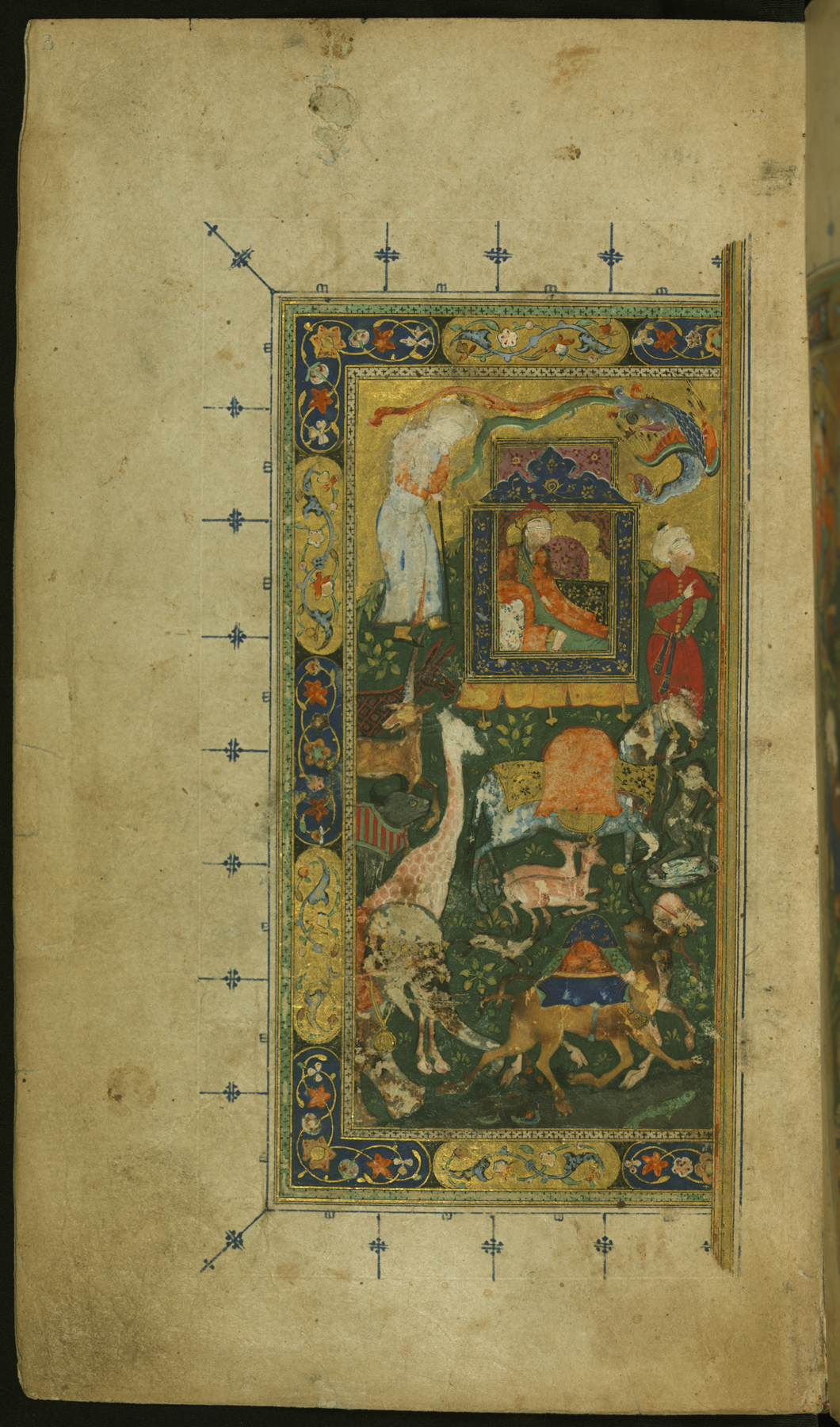
Sheba
She arrives unnamed in the Hebrew Bible, bearing spices, gold, and hard questions for King Solomon. Ethiopian tradition calls her Makeda. Arab and Islamic tradition knows her as Bilqis. The Queen of Sheba is one of history's most enduring figures -- a woman whose visit to Jerusalem appears in Jewish, Christian, and Islamic scripture, and whose legacy is claimed by both Yemen and Ethiopia to this day. But behind the legend stood a real kingdom. Sheba, or Saba, emerged on the edge of the Sayhad desert sometime between 1000 and 800 BCE and grew into the dominant power of South Arabia, sustained by monsoon-irrigated agriculture, the lucrative frankincense and spice trades, and a willingness to wage brutal wars of conquest.
Frankincense and Empire
The Sabaeans built their wealth on aromatic resins. The deserts of South Arabia produced frankincense and myrrh in quantities the ancient world craved for religious rituals, medicine, and luxury. Saba controlled the caravan routes that carried these goods north through the Arabian Peninsula, first to trading partners at Khindanu on the Middle Euphrates, later to Gaza during the Persian period, and finally to Petra in Hellenistic times. The kingdom also served as an intermediary for overland trade with Africa and goods arriving from as far as India. At its capital of Ma'rib, the Sabaeans built the great dam that turned desert into irrigated farmland and supported a population large enough to project military power across the region. Leaders took the title Mukarrib -- "federator" -- a rank more prestigious than king, signaling their hegemony over neighboring tribes and kingdoms.
The Conquests of Karib'il Watar
Saba reached its zenith between the eighth and sixth centuries BCE, driven by the military campaigns of Karib'il Watar. Two lengthy inscriptions discovered at the Temple of Almaqah at Sirwah document eight separate campaigns that brought much of South Arabia under Sabaean control. The first struck the highlands west of Ma'rib, where Karib'il claimed 8,000 captives and 3,000 enemies killed. The second obliterated the Kingdom of Awsan, a significant rival -- its ruling elite were slaughtered, its palace and temples destroyed, its inscriptions effaced, and its wadi depopulated. Sabaean records claim 16,000 killed and 40,000 taken prisoner, and the Awsan kingdom vanished from the historical record for five or six centuries. Subsequent campaigns subdued the coastal Tihamah, conquered Nashshan and imposed the cult of Almaqah upon it, and pushed Sabaean territory from Najran in the north to the Gulf of Aden in the southwest. No South Arabian kingdom would command this territorial range again until the Himyarites achieved it over a thousand years later.
A Slow Unraveling
After the sixth century BCE, the Sabaean grip loosened. Neighboring kingdoms -- Qataban, Hadhramaut, and especially Ma'in -- expanded at Saba's expense, pushing it back to its core territory around Ma'rib and Sirwah. Leaders abandoned the grand title of Mukarrib for the more modest Malik, or king. But the fatal blow came from the west. Rome conquered Syria in 63 BCE and Egypt in 30 BCE, systematically rerouting the overland trade networks that had enriched Saba for centuries. Around 26 BCE, the Romans even attempted a direct military conquest under the governor Aelius Gallus, laying siege to Ma'rib itself before heat exhaustion forced a retreat. The siege failed, but the economic damage was already done: maritime routes through the port of Bir Ali in the Kingdom of Hadhramaut replaced the overland caravans. Weakened and isolated, the first Sabaean kingdom was annexed by the Himyarite Kingdom by the end of the first century BCE.
Resurrection and Final Fall
Saba was not finished. When the first Himyarite Kingdom disintegrated, the Sabaeans reemerged and flourished for another century and a half. This second kingdom differed from the first in important ways. Power had shifted from the oasis cities on the desert margin to the highland tribes. Sanaa -- the city that remains Yemen's capital today -- was elevated to a secondary capital alongside Ma'rib. The kingdom minted new coinage and built the remarkable Ghumdan Palace at Sanaa. But the revival could not hold against a second Himyarite expansion. After a long, sporadic civil war between rival Yemeni dynasties, the late Himyarite Kingdom emerged victorious around 275 CE. Saba lost its royal status and reverted to an ordinary tribe. The last mention of the Sabaeans in South Arabian sources is a humble inscription requesting the king's help in repairing a rupture in the Ma'rib Dam -- the same structure that had made their civilization possible in the first place.
Three Faiths, One Queen
The Kingdom of Sheba left its deepest mark not in stone but in scripture. The Hebrew Bible describes the Queen of Sheba visiting Solomon with caravans of spices and gold, testing him with riddles. The Quran elaborates the encounter in Surah 27, where Solomon's messenger, a hoopoe bird, discovers a queen ruling a people who worship the sun. In Ethiopian tradition, the story goes further still: the Kebra Nagast, a medieval text central to Ethiopian Orthodox Christianity, identifies the queen as Makeda and claims that her son by Solomon, Menelik I, founded the Solomonic dynasty that ruled Ethiopia into the twentieth century. Yemeni tradition claims her as Bilqis, placing her palace near Ma'rib. The Sabaeans themselves left behind nearly a thousand inscriptions at the Temple of Awwam alone and founded colonies in the Horn of Africa -- including the kingdom of Di'amat in modern Eritrea and Ethiopia, where temples to the Sabaean god Almaqah have been excavated. Whether the queen was historical or legendary, the civilization she represented was undeniably real.
From the Air
The heartland of the ancient Kingdom of Sheba was centered around Ma'rib at approximately 15.45N, 45.33E in central Yemen. The ruins of the Sabaean capital, the Great Dam, and the Temple of Awwam are all located within a few kilometers of each other. The terrain is arid highland desert transitioning to the edge of the Empty Quarter to the northeast. Nearest airport is Ma'rib Airport (OYMB). The site was inscribed as a UNESCO World Heritage Site in 2023. The Sabaean sphere of influence extended from Najran (Saudi Arabia) in the north to the Gulf of Aden in the south and across the Red Sea to Eritrea and Ethiopia.