Shigaraki Train Disaster: Two Signals, Two Mistakes, Forty-Two Lives
Both companies tampered with the signals. Neither told the other. On the morning of May 14, 1991, a special JR West rapid service train carrying 716 passengers left Kyoto heading for the World Ceramic Festival in Shigaraki. Traveling the opposite direction on the same single-track line, a Shigaraki Kogen Railway local train pulled out of Shigaraki station and headed for Kibukawa -- past a red signal. Between them lay Onotani Signal Station, the only passing point on the entire line where two trains could safely meet. But the JR West train had already cleared that station on a green light. The signal should have been red. It was not, because both JR West and the Shigaraki Kogen Railway had independently made unauthorized modifications to the signal system. At 10:35 local time, the two trains collided head-on. Forty-two people died. Six hundred fourteen were injured. The ceramics festival was cancelled the next day.
A Festival Morning
The World Ceramic Festival had drawn crowds to the small town of Shigaraki, famous for its pottery tradition dating back centuries. To handle the surge of visitors, JR West arranged a special rapid service train -- designated 501D -- to run directly from Kyoto Station to Shigaraki via the Kusatsu Line, entering the Shigaraki Kogen Railway's branch line at Kibukawa Station. The 716 passengers aboard were festival-goers expecting a pleasant day trip through the mountain scenery of Shiga Prefecture. The Shigaraki Kogen Railway was a small third-sector railway, a type of semi-privatized local line common in rural Japan, operating a modest single-track route of about fifteen kilometers. On a normal day, its trains ran once or twice an hour through quiet villages and cedar forests. This was not a normal day. The influx of festival traffic had put unusual pressure on a system designed for routine local service.
The Double Failure
The collision's cause was not a single error but an appalling convergence of two independent ones. The Shigaraki Kogen Railway's local train 534D left Shigaraki heading east toward Kibukawa despite a red signal. SKR staff, confused by anomalies in their signal system, made the decision to send the train anyway. What they did not know was that JR West had separately made unauthorized modifications to the signaling equipment at Onotani Signal Station. Those modifications broke the interlocking system -- the safety mechanism designed to prevent exactly this scenario. When the JR West train approached Onotani from the east, it received a green signal. Under normal operation, the presence of the oncoming SKR train should have automatically turned that signal red. But the faulty wiring, introduced by JR West's unauthorized changes, overrode the interlock. The JR West train passed through Onotani at speed, heading west. The SKR train was heading east. There was nowhere for either train to go.
The Aftermath on the Mountain Line
The Shigaraki Kogen Railway suspended all passenger service immediately. Shiga Prefecture and the Ministry of Transport launched investigations that kept the line closed until December 1991. When trains finally ran again, Onotani Signal Station was permanently deactivated as a passing point. Without the ability to pass trains mid-route, the line's capacity was cut in half -- service dropped from twice an hour to once an hour, with trains running in only one direction at a time. The consequences rippled beyond Shigaraki. JR West discontinued all through train operations to the Shigaraki Line, severing the direct Kyoto connection that had brought the doomed festival train. Other Japan Railways Group companies followed suit, ending non-regular through train operations to private and third-sector railway lines across Japan. The disaster exposed a systemic vulnerability: when major national railways shared track with small local operators, signal coordination could not be assumed.
Justice and Memory
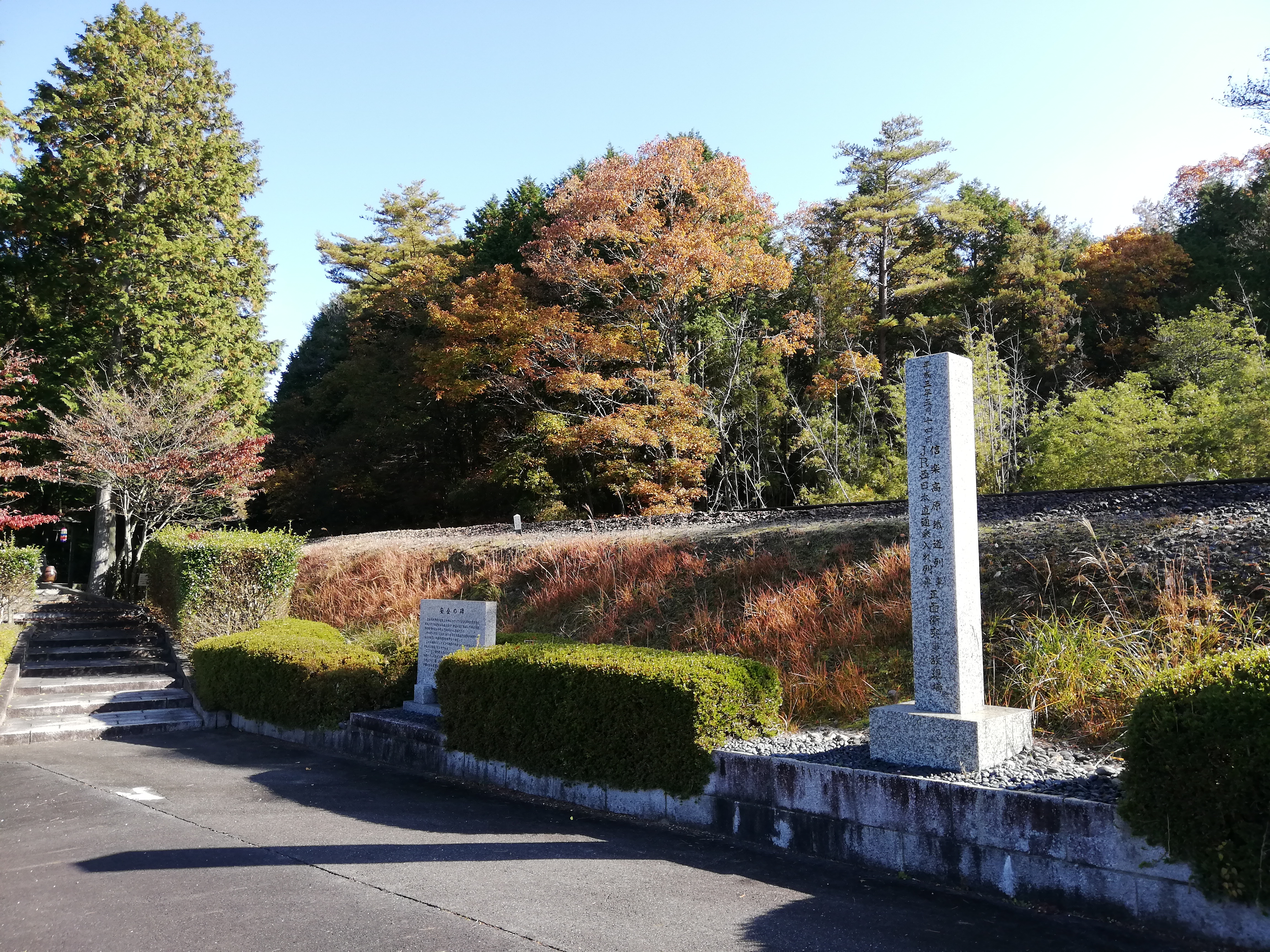
Eight years passed before legal accountability followed. In 1999, negligence complaints were filed against both the Shigaraki Kogen Railway and JR West, and both companies went to trial in the Otsu District Court. The case moved to the Osaka High Court, which in 2002 found JR West guilty of negligence. The company did not appeal the verdict. A memorial now stands at the crash site between Onotani and Shigarakigushi Station, marking the spot where the two trains met. The Shigaraki Kogen Railway itself survived, continuing to run its diminished service through the mountains of southern Shiga. The pottery town still produces its famous tanuki raccoon dog figurines and Shigaraki-ware ceramics. But the single-track line that threads through the valley carries the weight of May 14, 1991, in its very operating restrictions -- the halved frequency, the deactivated signal station, the absence of through trains from Kyoto. Every timetable is a quiet reminder of what two unauthorized signal modifications cost.
From the Air
Located at 34.92°N, 136.09°E along the Shigaraki Kogen Railway line in rural Shiga Prefecture, Japan. The crash site lies on a single-track railway threading through the forested mountain valley between Onotani and Shigarakigushi Station. From altitude, the railway is visible as a thin line cutting through dense forest and small settlements in the hills south of Lake Biwa. The town of Shigaraki (now part of Koka City) is visible at the terminus. Nearest major airports are Chubu Centrair International (RJGG), approximately 55 nautical miles east-southeast, and Osaka Itami (RJOO), about 40 nautical miles southwest. Best viewed at 2,000-4,000 feet AGL to trace the single-track line through the valley.