Shika Nuclear Power Plant
For fifteen minutes on June 18, 1999, a nuclear reactor on the coast of Japan's Noto Peninsula ran out of control, and nobody outside the plant was told. Three control rods fell out of position by accident during an inspection at Unit 1 of the Shika Nuclear Power Plant, triggering an unintended self-sustaining fission chain reaction. Operators regained control, logged what had happened, and then buried the records. The cover-up held for nearly eight years. It was not until March 15, 2007, that Hokuriku Electric Power Company admitted the truth, after the national Nuclear and Industrial Safety Authority ordered all power plant operators to review their records for unreported incidents. By then, the Shika plant had already become a case study in the gap between what nuclear operators know and what the public is told.
Built on the Quiet Coast
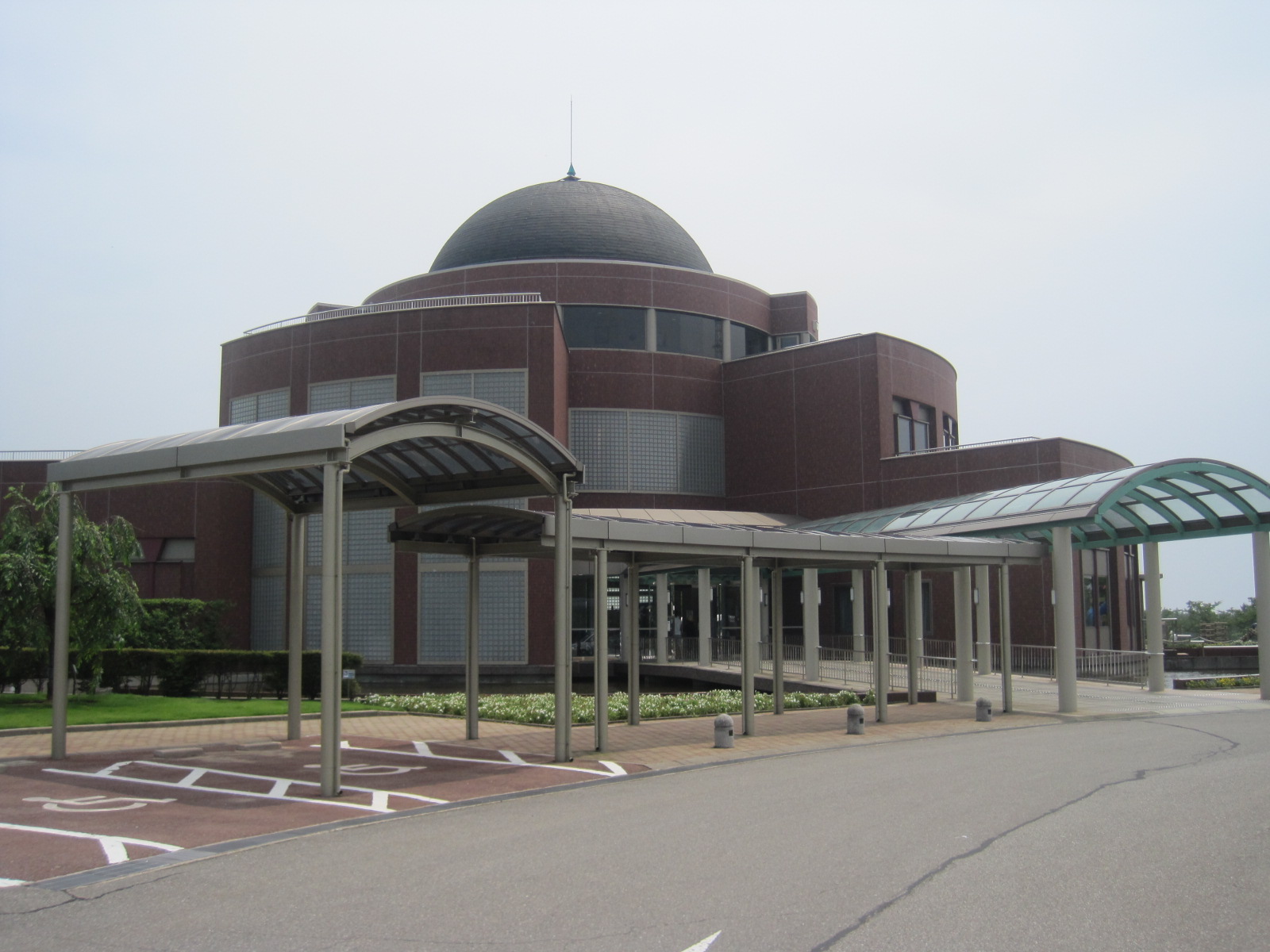
The Shika Nuclear Power Plant sits on a 395-acre site in the town of Shika, Ishikawa Prefecture, facing the Sea of Japan on the western coast of the Noto Peninsula. Construction of Unit 1 began on July 1, 1989, and took three years. The reactor achieved its first criticality on November 20, 1992, and entered commercial operation on July 30, 1993. A second, larger unit followed. Together, the two reactors are operated by the Hokuriku Electric Power Company, the regional utility serving the Hokuriku district of central Japan. The Hokuriku Technology Museum on nuclear power stands next to the plant, a public-facing exhibit intended to build trust between the utility and the surrounding communities. That trust would be tested repeatedly in the decades to come.
Fifteen Minutes of Silence
The 1999 criticality incident was classified, once it finally came to light in 2007, as an INES Level 2 event, meaning it was a significant safety concern but did not release radiation outside the plant. Three of the reactor's 89 control rods moved out of position due to mistaken operation of the water pressure valves that drive them. The reactor entered an uncontrolled chain reaction for fifteen minutes before operators restored the rods. Hokuriku Electric's president publicly described the company's handling of the incident as a cover-up. Unit 1 was shut down from March 2007 to March 2009 while courts and regulators evaluated the situation. A lower court ordered the entire plant closed, but Nagoya's high court overturned that decision. Unit 1 returned to commercial operation on May 13, 2009, after Hokuriku secured permission from both the Ishikawa prefectural government and the town of Shika.
After Fukushima
The 2011 Fukushima Daiichi nuclear disaster changed everything for Japan's nuclear industry, and Shika was no exception. Both units were temporarily shut down in March 2011 to undergo safety upgrades mandated by new regulations. Construction of a reinforced concrete seawall began in October 2011: four meters high, 700 meters long, rising 11 meters above sea level. New drainage gates, emergency seawater cooling pumps, and backup power systems for steam-venting valves were added. But the upgrades were only part of the challenge. When Hokuriku Electric applied for permission to restart Unit 2 in August 2014, the Nuclear Regulation Authority delayed its review for years while investigating whether active geological faults ran beneath the site. The inquiry dragged on until March 2023, when the NRA concluded no active faults were present, a decision that drew criticism after the regulator bypassed expert opinions raising concerns.
The Earth Shakes
On January 1, 2024, a magnitude 7.6 earthquake struck the Noto Peninsula, the most powerful quake to hit the region in recorded memory. The Shika plant, though offline, was the closest nuclear facility to the epicenter. More than 400 liters of water sloshed from spent fuel pools at both units. Transformers were damaged, cutting the plant off from external electricity. Over the following days, some 23,400 liters of oil leaked from damaged transformers, and an oil slick 100 meters by 30 meters appeared on the sea in front of the plant. A section of the Unit 1 reactor control system was found dislodged. The plant's former construction site manager called publicly for decommissioning. Perhaps most troubling: the majority of designated evacuation routes within the 30-kilometer radius around the plant were severed by earthquake damage, leaving nearby communities with no clear path to safety. A lawsuit seeking the plant's permanent closure was heard at Kanazawa District Court in May 2024.
From the Air
Located at 37.061°N, 136.726°E on the western coast of the Noto Peninsula, directly facing the Sea of Japan. The plant's two reactor buildings, seawall, and large site footprint (395 acres) are visible from altitude. Nearby airports include Noto Satoyama Airport (RJNW, ~30 nm northeast) and Komatsu Airport (RJNK, ~55 nm south-southwest). The coastal location on the peninsula's west side makes it identifiable by the contrast between industrial structures and surrounding rural terrain. Best viewed at 3,000-5,000 ft AGL.