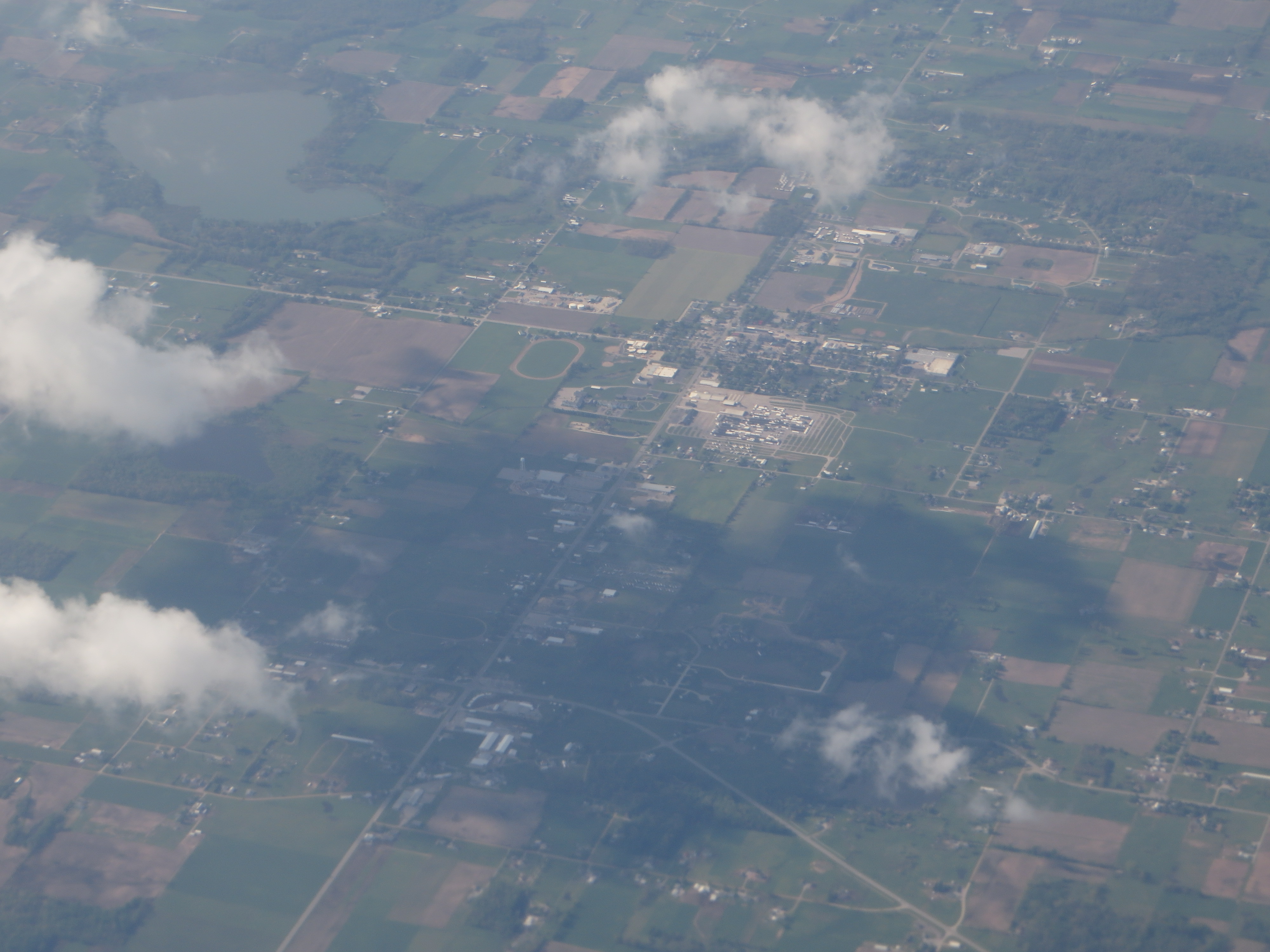
Shipshewana
Shipshewana sits at the heart of the third-largest Amish community in North America, and the contrast between the 500-person town and its surroundings is jarring. The Amish population of LaGrange and Elkhart counties numbers around 55,000 - far more than the 'English' (non-Amish) residents. The landscape is a patchwork of neat farms reached by gravel driveways, worked with horse-drawn equipment, and lit by kerosene lamps. Buggies share the roads with tourists' SUVs. The Shipshewana Auction and Flea Market draws 30,000 visitors on peak days, creating an economy based on wood furniture, quilts, and the spectacle of a community that has rejected most technology since 1850. It's voyeuristic, commercialized, and also genuine: the Amish go about their lives while tourists watch, shop, and try to understand why anyone would choose to live this way.
The Community
The Amish arrived in northern Indiana in the 1840s, attracted by cheap farmland. They've grown steadily ever since - the community doubles roughly every 20 years due to high birth rates and high retention of youth. Old Order Amish reject most modern technology: no electricity from public lines, no automobiles, no telephones in homes. They farm with horses, travel by buggy, and dress in distinctive plain clothing. But the rules are complex: cell phones may be used for business purposes, power tools can run on compressed air, and community standards vary. The result is a society that appears frozen in time but actually evolves constantly.
The Economy
Amish economic life has shifted from farming to manufacturing and tourism. With farmland prices rising, fewer Amish can make a living solely from agriculture. Many now work in woodworking shops, building furniture and cabinetry renowned for craftsmanship. RV factories in nearby Elkhart employ Amish workers (who hire drivers to commute). Tourism has become a major employer: Amish families sell quilts, baked goods, and furniture to English visitors. The Shipshewana Auction, operating since 1922, is a major attraction. The community has adapted economically while maintaining cultural distinctiveness.
The Auction
The Shipshewana Auction and Flea Market is the Midwest's largest outdoor flea market, operating Tuesdays and Wednesdays from May through September. Over 900 vendors fill the grounds; 30,000 visitors crowd the aisles on peak days. The livestock auction on Wednesdays brings farmers from across the region. Antiques, furniture, produce, and Amish crafts sell alongside modern merchandise. The scale is overwhelming - the grounds cover over 100 acres. For many visitors, the auction provides a first encounter with Amish life: the plain-dressed vendors, the Pennsylvania Dutch accents, and the buggy parking lot.
The Tourism
Shipshewana has become a destination for heritage tourism - visitors seeking connection to a simpler past. Tour operators offer buggy rides, farm visits, and meals in Amish homes. Shops sell furniture, quilts, and baked goods. The Blue Gate Theatre stages family-friendly musicals. The Menno-Hof visitor center interprets Anabaptist history. The industry is controversial within the community - some Amish welcome tourism income while resenting intrusion; others have built businesses catering to visitors. The tourists themselves range from genuinely curious to voyeuristically fascinated. The Amish, accustomed to being watched, mostly ignore the cameras.
Visiting Shipshewana
Shipshewana is located in LaGrange County, northern Indiana, about 150 miles east of Chicago. The main attractions are the Auction (Tuesdays and Wednesdays, May-September), Menno-Hof visitor center (Amish and Mennonite history), and the surrounding countryside with its Amish farms and shops. Driving the country roads offers the best sense of the community - watch for buggies. Numerous restaurants serve Amish-style cooking; reservations are recommended at popular spots. Photography is sensitive - never photograph Amish people without permission (which they'll decline). South Bend Regional Airport (SBN) is 45 miles southwest; Chicago O'Hare (ORD) is 2.5 hours west. The auction season draws crowds; weekdays and off-season offer quieter exploration.
From the Air
Located at 41.67°N, 85.58°W in LaGrange County, northeastern Indiana. From altitude, the Amish settlement is visible as a patchwork of small, neat farms - look for the lack of electrical lines running to buildings. The auction grounds are visible as a large cleared area with seasonal market structures. No major highways cross the area; roads wind through farmland. The landscape is flat glacial terrain with numerous small woodlots. South Bend is visible to the west; the Michigan border is a few miles north.