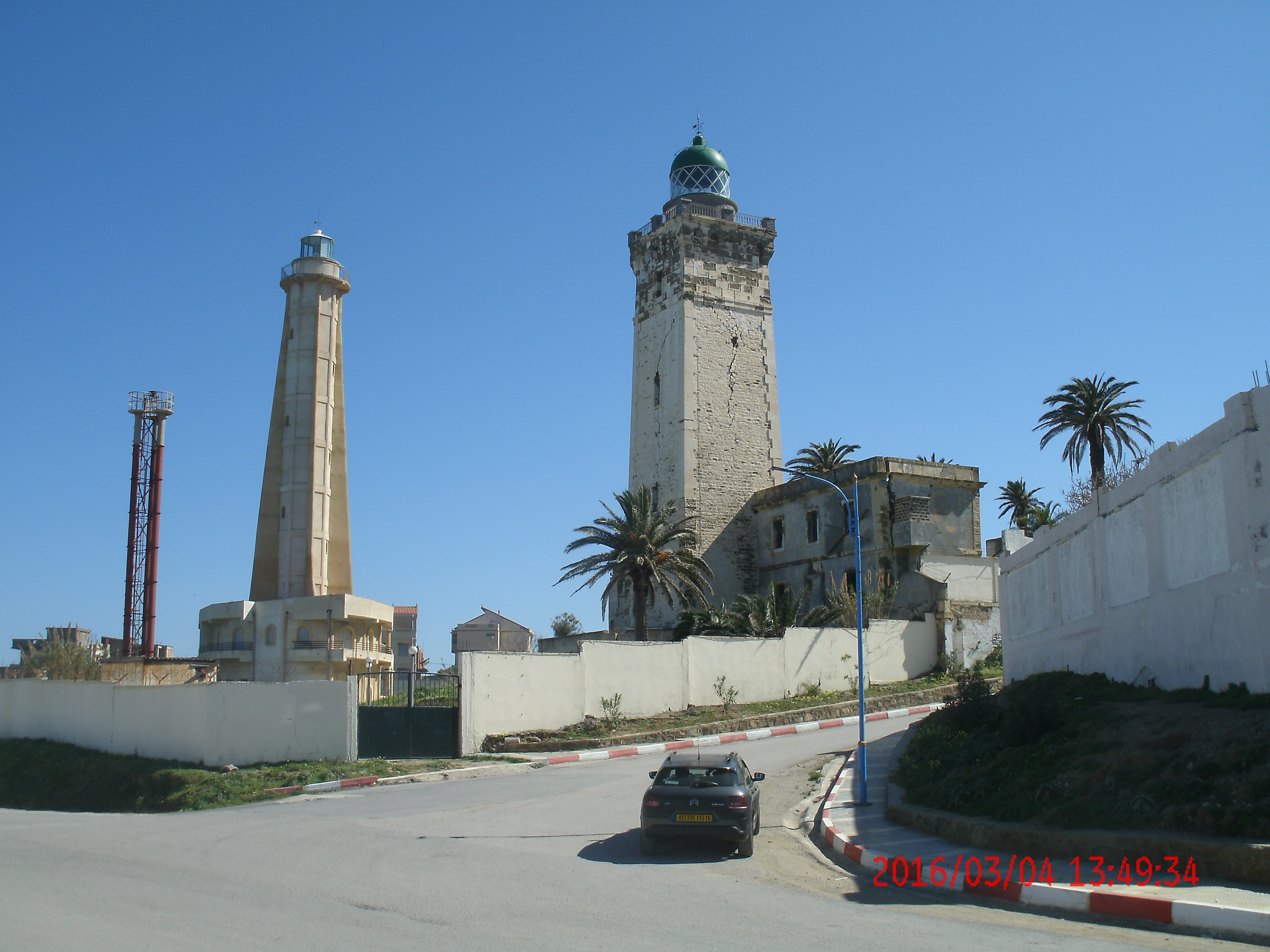
Shipwreck of Dellys
Their powder was wet, the fog was impenetrable, and the shore they washed up on belonged to the enemy. On the night of 15 May 1830, two French brigs -- Le Sylene and L'Aventure -- ran aground off the coast of Dellys, about 36 nautical miles east of Cape Caxine. The crews, unable to refloat their vessels and unable to fire their waterlogged weapons, faced a choice no sailor wants: fight with nothing, or surrender to the unknown. They chose surrender. What followed was a seven-week odyssey of captivity, threatened execution, and improbable rescue that played out against the backdrop of France's invasion of Algeria.
Two Ships in the Fog
Lieutenant Armand Joseph Bruat, commanding Le Sylene, had been returning from Port Mahon in Menorca carrying dispatches for the blockade forces preparing the invasion of Algiers. He encountered the brig L'Aventure, commanded by Captain Felix-Ariel d'Assigny, near Dellys, where the mouth of the Oued Sebaou meets the sea below the Khachna mountain range. A violent northwesterly wind separated the two ships, and when thick fog rolled in, L'Aventure struck the coast first, dragging Le Sylene after it. Only one man drowned in the wrecking. The rest -- approximately eighty sailors and officers -- made it ashore to find themselves stranded in hostile territory with no means of defense.
The Maltese Sailor's Bluff
Bruat and d'Assigny gathered their officers and presented two options: arm themselves with whatever was available and wait for rescue, or submit peacefully and hope to be taken as hostages rather than killed. With their gunpowder soaked and the darkness hiding them from the French fleet, they chose the second path. At 4:00 on the morning of 16 May, the combined crews set out westward toward Algiers along the paths of Lower Kabylia. They had walked barely a kilometer when a large group of armed men surrounded them. A Maltese sailor aboard Le Sylene, fluent in Arabic, attempted a desperate bluff -- claiming his companions were English passengers. It worked, briefly, buying the crews enough time to avoid immediate slaughter. When the ruse was discovered, the crews were taken captive rather than killed.
Marched Past the Severed Heads
Lieutenant Bruat was dragged, nearly naked, before the governor of Dellys, who threatened violence to extract intelligence about the approaching French fleet. The governor then transferred the surviving captives to Algiers for Ibrahim Agha to decide their fate. The convoy of hostages marched west through the Col des Beni Aicha and the Meraldene valley, spending the night of 20 May at Cap Matifou. The next day they entered Algiers under military escort, paraded through crowds of civilians past the Dey's Palace, and brought to the Casbah. There, before being led to the prison, they were shown the severed heads of comrades from a group that had been less fortunate. Ibrahim Agha demanded they reveal the French invasion plans under threat of torture and death.
Liberation by Conquest
For seven weeks the eighty survivors sat in the Casbah prison expecting each day to be their last. Hussein Dey initially sent them basic necessities, but his generosity cooled as the French fleet appeared in the bay and hostility sharpened further when troops landed at Sidi Fredj. As the fall of the Casbah became imminent, however, the Dey's treatment of the prisoners softened again -- a calculation, perhaps, that their survival might buy leniency. On 5 July 1830, French forces captured Algiers, and the prison doors opened. Marshal de Bourmont personally visited the cells to congratulate Bruat and d'Assigny for keeping their men alive. King Charles X, arriving aboard the vessel La Provence, made the release of the hostages his first order of business. Bruat, who had survived shipwreck, capture, and weeks of threatened execution at age 34, would go on to become an Admiral of France.
From the Air
Located at 36.92N, 3.91E along the coast near Dellys, east of Algiers. The coastline here features the mouth of the Oued Sebaou and Cape Bengut, visible landmarks for the wreck location. Nearest airport: DAAG (Houari Boumediene Airport), approximately 75 km west. The rocky coastline and mountain backdrop are visible at medium altitude.