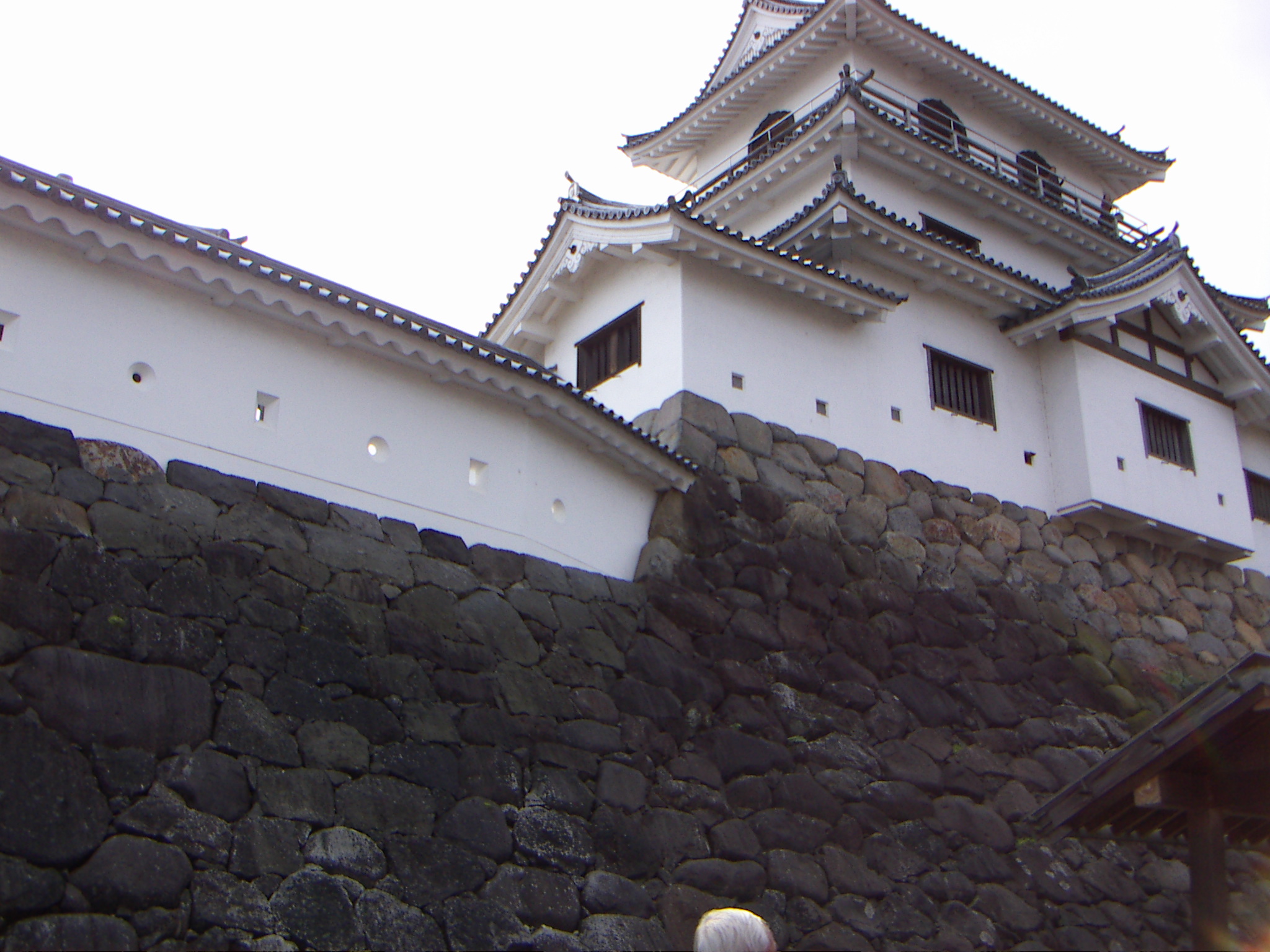
Shiroishi Castle: The Rebel Stronghold That Defied a Revolution
Most Japanese castles changed hands through siege. Shiroishi Castle changed hands through politics, loyalty, and one spectacularly ill-fated act of defiance. Sitting on the flat plains of what is now Shiroishi city in Miyagi Prefecture, this castle spent over two and a half centuries as the seat of the Katakura clan, hereditary retainers of the powerful Date family of Sendai Domain. It was one of the rare exceptions to the Tokugawa shogunate's strict one-castle-per-domain rule, a testament to the trust the Date placed in their southern gatekeepers. But when Japan's old feudal order began to collapse in 1868, the castle's great hall became the meeting room where northern lords gathered to resist the future -- and lost.
Foundations in a Contested Land
The first fortification at Shiroishi dates to the Kamakura period, built by the Karita clan on a site commanding the flat approaches to the Sendai plain. The location was strategic: whoever controlled Shiroishi controlled the southern gateway into the powerful northern domains. In 1591, during the turbulent late Azuchi-Momoyama period, the Gamo clan rebuilt the castle from the ground up, adding stone walls and a proper donjon under the direction of senior retainer Gamo Satonari. The transformation reflected the military engineering of an age when castle architecture was advancing rapidly across Japan. But the Gamo tenure was brief. After the decisive Battle of Sekigahara in 1600, the castle and its surrounding lands were absorbed into Sendai Domain, and a new chapter began that would last for generations.
The Katakura Watch
From 1600 onward, Shiroishi Castle became the stronghold of the Katakura clan, retainers so trusted by the Date lords that they were granted this exceptional second castle within the domain. The Katakura served as the Date family's shield along the southern border, guarding the approaches to Sendai for roughly 260 years. The castle endured its share of hardship -- a fire destroyed the buildings in 1819, but Katakura Munekage rebuilt it just four years later, unwilling to leave the domain's southern flank exposed. The Katakura name became inseparable from the castle itself, and the most famous of the line, Katakura Kojuro, first retainer to Date Masamune, remains celebrated in local culture to this day.
The Northern Alliance's Last Stand
In early 1868, as the Boshin War swept Japan, the great hall of Shiroishi Castle witnessed an act of desperate solidarity. Delegates from the northern domains gathered here to form the Ouetsu Reppan Domei -- the Northern Alliance -- a coalition that refused to submit to the Satsuma-Choshu forces driving the Meiji Restoration. The castle became the alliance's headquarters, a center of resistance against what the northern lords saw as a southwestern coup cloaked in imperial authority. The alliance was ultimately crushed. Following the Meiji government's victory, the Katakura clan was dispossessed and resettled in Hokkaido, exiled from the castle they had defended for centuries. The Nanbu clan of Morioka Domain was briefly assigned Shiroishi, but the age of castles was over. The buildings were demolished in 1875.
White Walls Return to the Plain
For over a century, Shiroishi Castle existed only as earthworks and memory. Then in 1995, reconstruction began using traditional materials and building techniques -- wooden beams joined without nails, plastered walls over bamboo lattice, and stone foundations matching the original layout. The rebuilt castle opened to the public as both a museum and a window into Edo-period architecture. In 2017, it earned a place on the Continued Top 100 Japanese Castles list, a recognition of its historical significance. The castle has also found an unexpected second life through pop culture: the video game Sengoku BASARA2 features Katakura Kojuro as a main character, drawing fans from across Japan to walk the same grounds their favorite warrior once defended.
From the Air
Located at 38.00°N, 140.62°E on the flat Shiroishi plain in southern Miyagi Prefecture. The castle's white reconstructed tower is visible against the surrounding low-rise city. From 3,000-5,000 feet AGL, the castle grounds and adjacent park stand out clearly, with the Zao mountain range rising to the west. Sendai Airport (RJSS) lies approximately 20 nautical miles to the northeast. The Shinkansen line runs through the nearby valley, and the Tohoku Expressway passes to the east of the city.