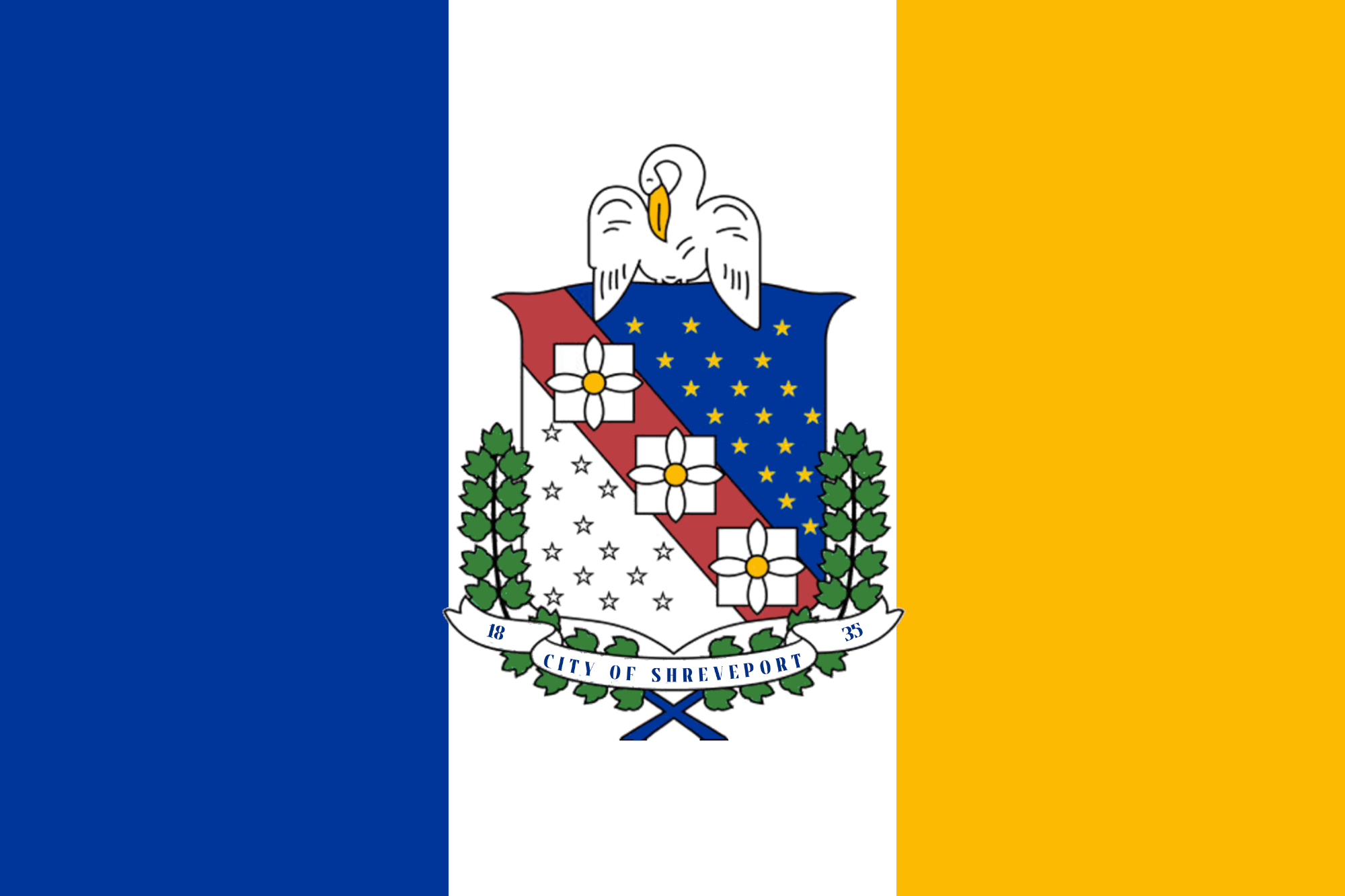
Shreveport: The Other Louisiana Where Casinos Meet Country Music
Shreveport is Louisiana but not the Louisiana you're thinking of - no French Quarter, no Cajun cuisine, no Mardi Gras tradition. This is North Louisiana, culturally more Texas than New Orleans, Baptist rather than Catholic, country music rather than jazz. The city of 180,000 sits on the Red River where Louisiana meets Texas and Arkansas, the tri-state area creating a regional center that serves a multistate hinterland. Shreveport's claim to fame is the Louisiana Hayride, the radio program that launched Elvis Presley, Johnny Cash, and Hank Williams before Nashville's Grand Ole Opry claimed them. The riverboat casinos arrived in the 1990s; the oil and gas industry has always been here. Shreveport is the other Louisiana.
The Hayride
The Louisiana Hayride broadcast from Shreveport's Municipal Auditorium from 1948 to 1960, the 'Cradle of the Stars' that introduced Elvis Presley, Johnny Cash, Hank Williams, and dozens of others to national audiences. Elvis's first radio appearance was on the Hayride in 1954; he performed regularly until the Grand Ole Opry claimed him. The program was Nashville's competitor and talent scout, finding raw talent and developing it for country music. The Municipal Auditorium is now a historic site; the Hayride's legacy is Shreveport's cultural contribution to American music.
The Casinos
Riverboat casinos arrived in the 1990s when Louisiana legalized gambling, the boats lining the Red River downtown, the industry providing jobs and tax revenue. The casinos transformed Shreveport's economy and downtown, bringing entertainment that the city previously lacked. The competition with Texas (where casino gambling remains illegal) draws visitors from across the border. The casinos are not glamorous - this is not Vegas - but they provide steady employment and a destination identity for a city that struggled to find one after the oil busts.
The Oil
Shreveport sits near the Haynesville Shale, one of North America's largest natural gas deposits, and has been oil country since the 1920s. The oil and gas industry provides boom-and-bust cycles that shape the economy - prosperity when prices are high, layoffs when they crash. The industry created the working-class character that distinguishes Shreveport from white-collar cities; the energy wealth funds institutions but doesn't transform character. Shreveport is an oil town like Houston but smaller, the fortunes smaller, the culture more modest.
The Texas
Shreveport is closer to Dallas than to New Orleans - 190 miles versus 330 - and the culture reflects the proximity. The accents sound more Texan than Cajun; the food is more barbecue than gumbo; the religion is more Baptist than Catholic. The Texas influence extends to politics (conservative), sports (Cowboys fans outnumber Saints fans), and identity. Shreveport is Louisiana by accident of borders; it's culturally part of the Ark-La-Tex region that ignores state lines. The city looks west more than east.
Visiting Shreveport
Shreveport is served by Shreveport Regional Airport (SHV). The Municipal Auditorium tells Louisiana Hayride history; performances occasionally revive the tradition. The riverboat casinos offer gambling and entertainment. The R.W. Norton Art Gallery has a surprisingly strong collection in beautiful gardens. The Sci-Port Discovery Center offers science exhibits for families. Barksdale Air Force Base, south of the city, hosts air shows. For food, Southern comfort dominates; the barbecue is respectable. The weather is humid Southern: hot summers, mild winters. Shreveport rewards visitors who appreciate the other Louisiana.
From the Air
Located at 32.53°N, 93.75°W on the Red River in northwest Louisiana, near the Texas and Arkansas borders. From altitude, Shreveport appears as urban development along the river - the riverboat casinos visible, the downtown modest, the tri-state geography apparent. What appears from altitude as northwestern Louisiana's largest city is culturally closer to Texas - where the Louisiana Hayride launched Elvis, where casinos line the Red River, and where North Louisiana's character is distinct from the Cajun south.