Sidron Cave
In 1994, someone stumbled on human bones in a cave in the Pilona municipality of Asturias and assumed the worst. Republican fighters had hidden in these limestone passages during the Spanish Civil War, and the remains seemed like another grim discovery from that conflict. But the bones were not fifty years old. They were roughly 49,000 years old, belonging to Neanderthals who had lived and died in these mountains tens of thousands of years before the first modern humans reached the Iberian Peninsula. What began as a suspected war grave became one of the most important Neanderthal sites in the world.
The Tunnel of Bones
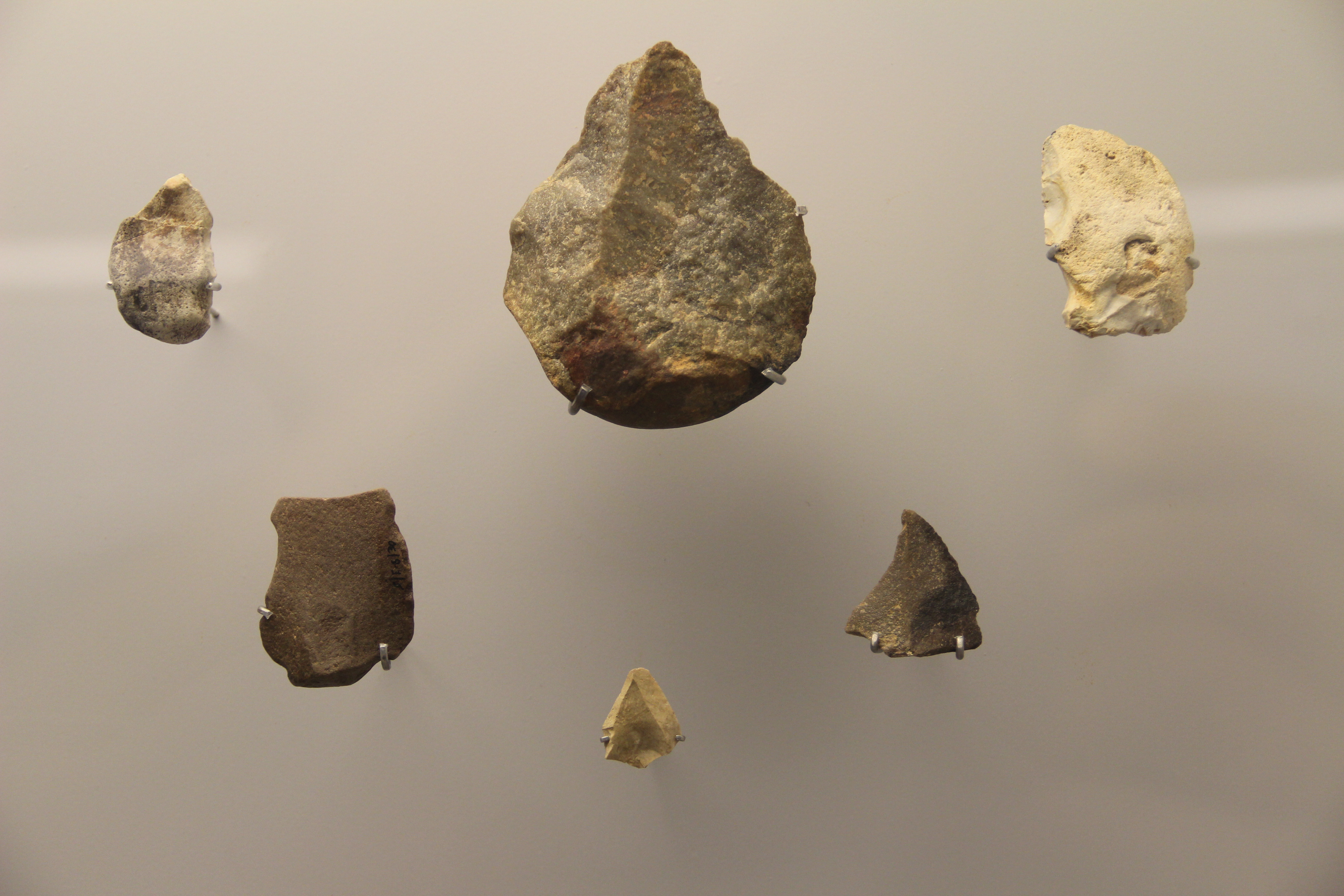
El Sidron is enormous -- 3,700 meters of non-carboniferous limestone karst passages, including a central hall stretching 200 meters. But the discovery that made the cave famous occupies a far smaller space: the Galeria del Osario, the Ossuary Gallery, just 28 meters long and 12 meters wide. Excavated between 2000 and 2013, this chamber yielded more than 2,500 hominin fossil elements from at least thirteen individual Neanderthals. Researchers believe the remains arrived through a single catastrophic event -- a collapse of fissures above the gallery, or a sudden influx of stormwater that washed bodies from a higher level into the ossuary below. They were not buried intentionally. Nature deposited them, and then sealed them away for millennia.
The Language Gene
El Sidron transformed what scientists thought they knew about Neanderthals. Among the most startling findings: two individuals from the cave carry the same mutations in the FOXP2 gene -- widely known as the "language gene" -- that are found in modern humans. This does not prove that Neanderthals spoke as we do, but it suggests the biological hardware for complex vocal communication was present. The cave also yielded the first successful sequencing of a Neanderthal Y chromosome, and in 2017 researchers extracted Neanderthal mitochondrial DNA directly from soil samples, proving that ancient genetic material could survive not just in bones but in the dirt those bones lay in. Each discovery pushed the boundary of what paleogenetics could achieve.
A Child Among Them
One of the most poignant finds was El Sidron J1, a juvenile Neanderthal estimated to have been seven or eight years old at death. Roughly 36 percent of the child's skeleton was recovered, including 30 dental elements, a complete mandible, and key cranial and vertebral fragments -- 138 fossil elements in total. Analysis of the child's development suggested that Neanderthal growth patterns were more similar to those of modern human children than previously assumed, though some researchers cautioned against drawing broad conclusions from a single specimen. The robustness of the bones suggested J1 was likely male. He was a child who ate pine nuts, moss, and mushrooms -- a diet strikingly different from the meat-heavy menu documented at other European Neanderthal sites, revealing that these ancient people adapted their food to what the landscape provided.
A Cave Still Speaking
Declared a Partial Natural Reserve in 1995, El Sidron serves purposes beyond archaeology. Five species of bats use the cave as a retreat, and two beetle species previously unknown to science were first identified here. The cave's designation protects both its biological residents and the archaeological record that still lies within its passages. Morphological analysis of the El Sidron Neanderthals has revealed a north-south geographic patterning across the species: northern populations like those at El Sidron show different facial proportions than their southern counterparts, with narrower faces and different lower facial heights. The cave in Asturias sits at the northern edge of Neanderthal territory, and its inhabitants carried the physical signatures of that geography in their bones. Tens of thousands of years after they died, they are still telling us who they were.
From the Air
Located at 43.38N, 5.33W in the Pilona municipality of Asturias, in the mountainous northwestern corner of Spain. The cave is not visible from the air -- it is underground in a forested karst landscape. Nearest airport is Asturias (LEAS), approximately 60 km to the northwest. The Cantabrian Mountains and green valleys of Asturias provide the visual context. Best observed at medium altitude to appreciate the rugged terrain that preserved these remains.