Siege of Beirut
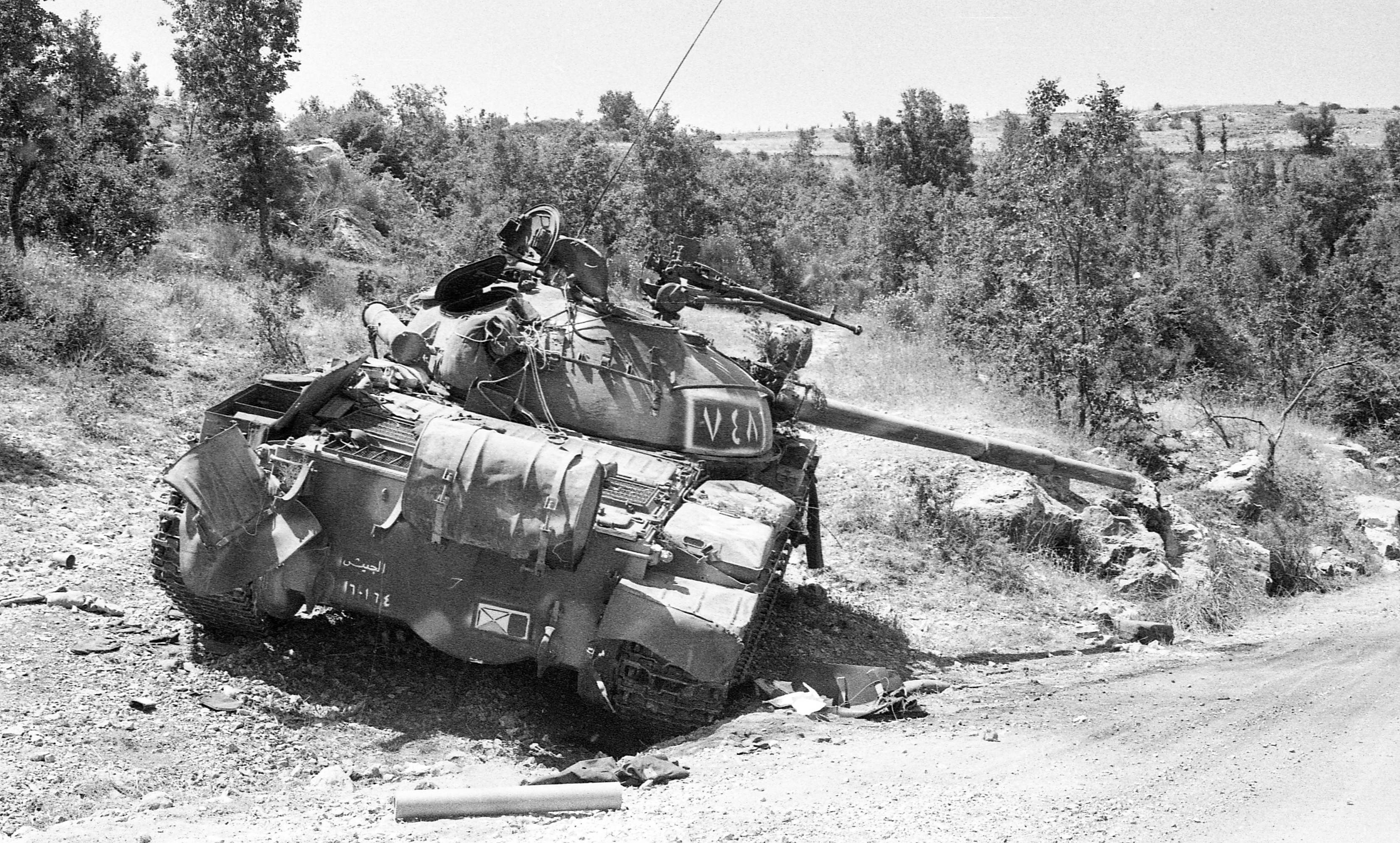
By the end of the first week of July 1982, five hundred buildings in West Beirut had been reduced to rubble by Israeli shells and bombs. The city's electricity had been cut, its water supply severed, its airport seized. For two months that summer, Israel besieged the western half of Lebanon's capital in pursuit of the Palestine Liberation Organization, turning a Mediterranean city of cafes and apartment blocks into a kill zone where thousands of civilians died alongside the guerrillas they were meant to pressure into surrender.
Operation Peace for Galilee
Israel invaded Lebanon on June 6, 1982, in a three-pronged assault. Defense Minister Ariel Sharon presented the operation to the Israeli cabinet as a limited incursion into southern Lebanon, but his forces pushed all the way to Beirut. The ostensible trigger was the attempted assassination of Israel's ambassador in London, though Israeli intelligence knew the attack had been carried out by the Abu Nidal faction, which was at war with Yasser Arafat's PLO. The deeper objective was to destroy the PLO's political and military infrastructure, install Bashir Gemayel of the Christian Phalange party as president of Lebanon, and secure a peace treaty. One Israeli column advanced along the coastal road toward Beirut, another targeted the Beirut-Damascus highway, and a third moved along the Syrian border to block reinforcements. By June 11, Israel had achieved air superiority after destroying Syrian aircraft, and Syria agreed to a ceasefire.
The Ring Closes
Seven days after the invasion began, the ring around West Beirut was sealed. PLO fighters and a portion of Syrian forces found themselves trapped inside the city. Israel had expected the siege to be brief -- a quick, decisive victory followed by the PLO's capitulation. Instead, it dragged on for weeks. American envoy Philip Habib pushed for negotiations, and every day the siege continued, Arafat's bargaining position strengthened. Israel had initially counted on Maronite Christian militias to do the street fighting needed to clear the PLO from Beirut, but the Maronites proved unwilling. For the Israeli Defense Forces, house-to-house combat in a dense urban center promised unacceptable casualties. The strategy that emerged was a combination of military pressure and psychological warfare designed to convince the PLO that the only alternative to surrender was annihilation.
Seven Weeks of Bombardment
For seven weeks, Israel attacked West Beirut by sea, air, and land. Food and water supplies were cut. Electricity was disconnected. The southern suburbs and airport were secured. But the PLO did not break. Israeli forces were roundly accused of indiscriminate shelling -- a charge supported by the scale of civilian casualties and building destruction. At the end of July, after a 27-day lull, the IDF intensified its attacks. Mossad, working through Phalangist contacts, sent agents into Beirut with car bombs targeting Palestinian areas; dozens of people died in these bombings, and some of the agents were later caught and confessed. On July 14, Sharon and Chief of Staff Rafael Eitan won Prime Minister Menachem Begin's support for a full-scale assault on West Beirut, but the Israeli cabinet rejected the plan two days later, with coalition partners threatening to quit if it went forward.
Reagan's Phone Call
On August 10, 1982, as Philip Habib submitted a draft peace agreement to Israel, Sharon ordered a saturation bombing of Beirut that killed at least 300 people. President Ronald Reagan called Prime Minister Begin directly. According to press reports, Reagan described the bombing of West Beirut as a 'holocaust' -- a word that carried particular weight directed at the Israeli leader. Within twenty minutes of that phone call, Begin ordered the bombings stopped. Two days later, the Israeli cabinet stripped Sharon of his authority to order air force, armor, or artillery strikes without cabinet or prime ministerial approval. The agreement was finally reached on August 18. On August 21, 350 French paratroopers arrived in Beirut, followed by 800 U.S. Marines, Italian Bersaglieri, and additional peacekeepers -- 2,130 troops in all -- to supervise the PLO's departure.
Departure and Aftermath
Altogether, some 14,000 PLO fighters were evacuated -- by ship to Tunisia and overland to Syria, Yemen, Sudan, and other Arab countries. Arafat departed for Greece and then Tunis, where he established a new PLO headquarters. The siege was over, but its consequences were just beginning. Analyst Jonathan F. Keiler characterized the outcome as a tactical victory for Israel but a strategic victory for the PLO -- the organization survived, its cause gained international sympathy, and the evacuation under fire created a narrative of resistance that would shape Palestinian politics for decades. Within weeks, the Sabra and Shatila massacre would further devastate Beirut. Decades later, Osama bin Laden cited the images of Lebanese towers being destroyed during the 1982 siege as an inspiration for the September 11, 2001 attacks -- a claim that illustrates how the siege's consequences radiated far beyond the Mediterranean coast where it was fought.
From the Air
Located at 33.890N, 35.500E, encompassing the western half of Beirut along the Mediterranean coast. The siege zone included the port, airport (Rafic Hariri International, OLBA), and the densely built neighborhoods of West Beirut. From altitude, the division between East and West Beirut follows the old Green Line roughly north-south through the city center. Best observed from over the Mediterranean at 5,000-8,000 ft AGL, where the coastal urban sprawl and port infrastructure are clearly visible.