Siege of Hamar
Vale, vale, vale. Farewell, farewell, farewell. According to the Hamar Chronicle, those were the last words Bishop Mogens Lauritsson spoke to the city he had served, weeping on his knees as soldiers led him away. The siege that brought him to that moment lasted only three days in late June 1537, but its consequences reshaped Norway for nearly three centuries. It was one of the last armed stands against the Reformation in Scandinavia, and when the castle gates opened, more than a bishop surrendered -- an entire political order collapsed with him.
The Bishop Behind the Walls
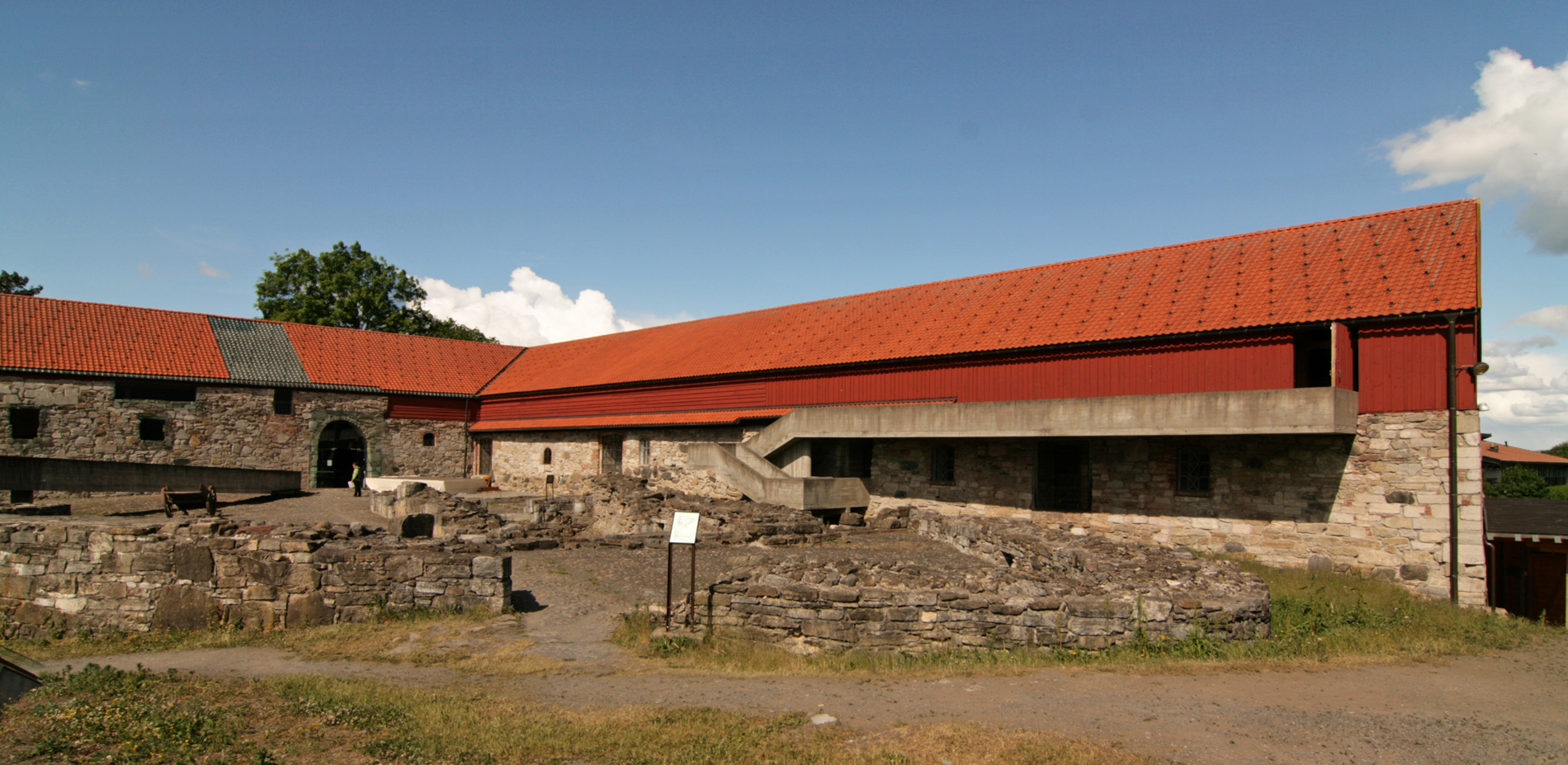
Word reached Bishop Mogens Lauritsson that Protestant forces were marching south from Trondheim to arrest him. The noble Truid Ulfstand commanded the approaching column, sent as part of the broader campaign to enforce the Reformation across Denmark-Norway and Holstein. Lauritsson knew what surrender meant: not merely the loss of his office, but the dismantling of Catholic institutional power throughout the region. Rather than submit quietly, he barricaded himself and his men inside his castle at Hamar. It was a defiant choice, but not a strategically sound one. His garrison consisted largely of peasant militia, loyal but poorly equipped. The forces marching toward him were professional soldiers, many of them German Landsknechts -- mercenary infantry with battlefield experience that no farming volunteers could match.
Three Days to Decide
When Ulfstand's troops arrived and encircled the castle, the military imbalance was immediately apparent. The Protestant commander requested a parley with the bishop, and the terms he offered were blunt: surrender within three days, or the castle would be burned. There was no prospect of relief, no allied force marching to break the siege. The Catholic cause in Norway had already been losing ground across the country, and Lauritsson's stand at Hamar was an act of spiritual conviction rather than military calculation. For three days, the bishop and his men held their position behind the castle walls while the professional soldiers waited outside, their ultimatum ticking down.
A Prayer on His Knees
On the third day, the gates opened. The bishop surrendered and was taken prisoner. What the Hamar Chronicle preserves is the moment of departure, rendered with an emotional precision unusual for its era. As Lauritsson was led from the city, he fell to his knees and thanked God for every day he had spent in Hamar. He asked the townspeople to pray for him and promised he would return. Then he prayed aloud, in words the chronicler recorded in the original Danish: that if they could not find each other again in this world, may God grant that they find each other in heaven. He said farewell three times, weeping, and was taken away to Denmark. He never returned. He died in captivity in 1542.
The World After the Walls Fell
The siege's consequences extended far beyond one bishop's fate. With Lauritsson's surrender, the last significant Catholic resistance in Norway collapsed. The Norwegian riksrad, the council of nobles that had governed alongside the crown, was effectively abolished. Denmark-Norway became a true political union under King Christian III, a centralization that would endure until 1814. The Danish crown confiscated the vast landholdings of the Catholic Church, making the king the largest landowner in Norway overnight. Parishes, estates, and institutions that had operated under ecclesiastical authority for centuries passed into royal hands. For the townspeople who watched their bishop weep and pray as he was led away, the immediate reality was the loss of a patron, a protector, and a way of life. The Reformation reshaped Norway's faith, its politics, and its property map in a single stroke.
From the Air
Located at 60.79°N, 11.04°E in Hamar, on the eastern shore of Lake Mjøsa. The siege took place at the bishop's castle (Hamarhus), whose ruins lie near the present-day cathedral ruins at Domkirkeodden. Nearest airport is Oslo Gardermoen (ENGM), approximately 120 km south. Hamar's Stafsberg airfield (ENHA) is nearby for light aircraft. Approach from above Lake Mjøsa at 3,000-5,000 feet for the best view of the historical peninsula site.