Siege of Hulst (1596)
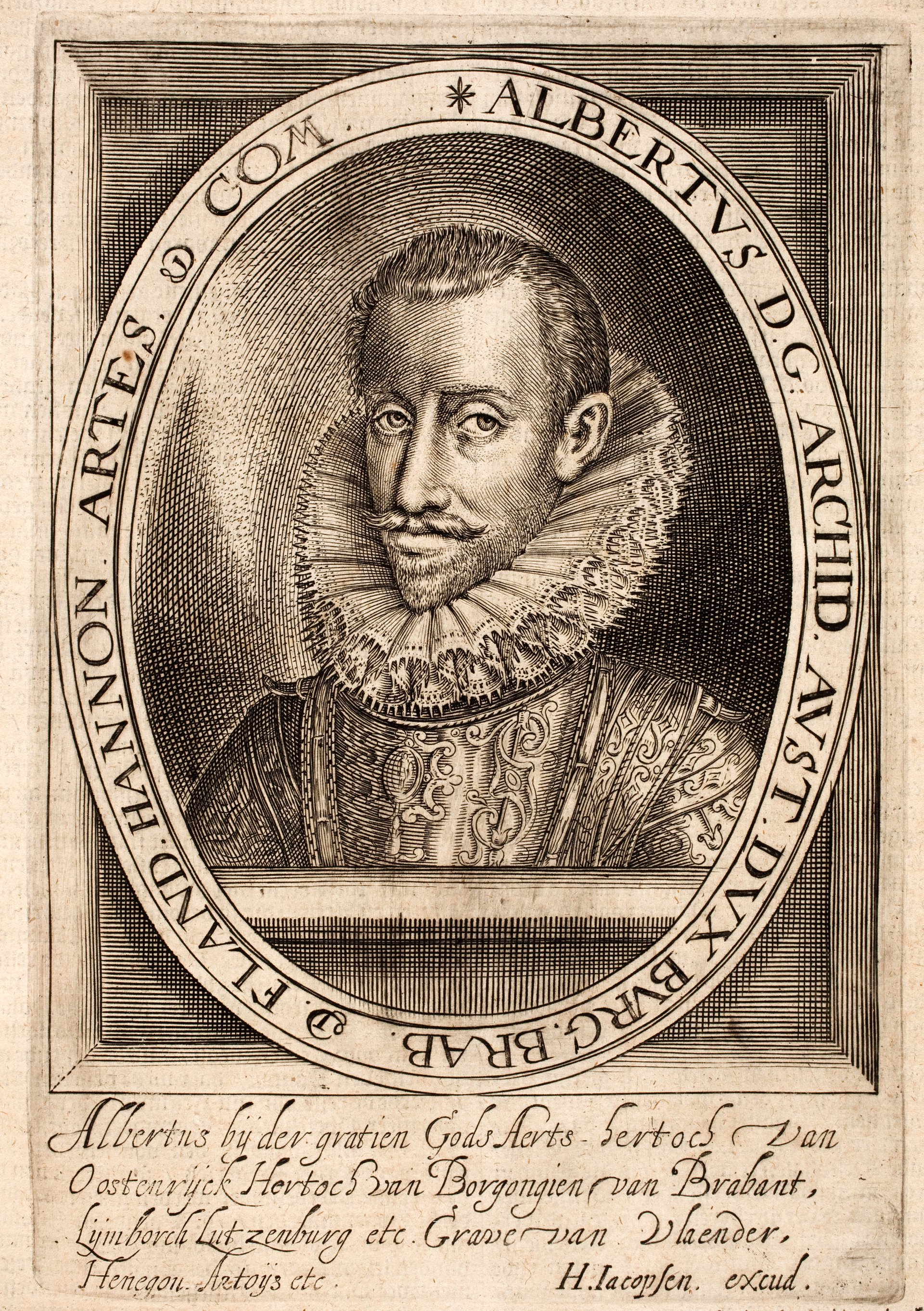
Four thousand of the best English and Scottish troops in Europe were not in Flanders that July. They were in Cadiz, with Francis Vere, looting a Spanish port and burning ships in the harbor. The Earl of Essex was there too, and Sir Walter Raleigh, busy turning the Spanish empire's pockets inside out on the wrong side of the continent. The veteran regiments Maurice of Orange usually counted on were 1,500 miles away. Albert of Austria, the Spanish governor in the Netherlands, looked at the map, saw the empty space where those soldiers should be, and chose his target. Hulst.
The Empty Field
From 1590 to 1594, Maurice of Orange had been winning the Dutch Revolt the way armies seldom win revolts - by careful siegecraft, by patience, by squeezing Spanish-held towns one at a time. Hulst had fallen to his Anglo-Dutch troops in 1591, joining a long list of victories. Then 1596 went wrong almost immediately. Calais fell to Spain that spring. Maurice's main field army, no more than 5,000 men with the English veterans gone, was committed to Brabant. The burghers of Bruges, smelling opportunity, offered Albert 1,200,000 guilders to bring the Spanish army back into Flanders and besiege Ostend. Albert took their money, marched north, and then changed his mind - Ostend could wait. With Maurice stretched thin and the English at sea, Hulst was easier.
The Sluices and the Sconces
Hulst was small but built to be difficult. The Dutch garrison, commanded by the Count of Solms, had spent five years strengthening the defenses since the 1591 capture - building sconces, those small detached earthwork forts that ringed important towns, and rigging a system of sluices so the surrounding farmland could be flooded on command. The town sat in the center of a chess board the defenders could turn into a lake. Albert arrived in mid-July with a Spanish field army that knew exactly how to take a Dutch fortress. Trenches were dug. Cannon were brought up. The Spanish gunners settled into the work that the Tercios had refined across Europe: relentless, patient bombardment. Nearly 3,500 cannonballs were fired into the small town over the course of the siege. The garrison waited for relief that never came in strength enough to matter.
Maurice's Long Ride
Maurice tried. He gathered what troops he could - perhaps 2,000 freshly funded soldiers raised by the Dutch public, plus what he could scrape from his Brabant army - and pushed toward Hulst to break the siege. The attempt failed. Albert's army was too large, the approaches too well guarded, and Hulst was running out of time. On 18 August 1596, after roughly five weeks under bombardment, the Count of Solms surrendered the garrison of Dutch and English troops. The Spanish marched in. Albert had his prize - the last major Spanish capture in the northern theatre for years to come.
Why Albert Stopped
He did not press the advantage. Albert had lost enough men during the siege that the broader Flemish campaign - the dream of taking back Axel and Biervliet too, of pushing the Dutch Republic out of Zeelandic Flanders entirely - was no longer feasible. The Republic intercepted a letter Albert sent to King Philip II, and read with relief that the Spanish army was withdrawing back to Flanders. The English veterans came home from Cadiz, victorious and rich. By the next year Maurice and Francis Vere were back in the field together, and at the Battle of Turnhout in January 1597 they shredded a Spanish Tercio force in open ground. Hulst, taken in the summer of 1596, was Spain's last good day in the northern Low Countries for a long time. The Dutch would not retake the town until 1645, when Frederick Henry of Orange finally finished what his brother had started.
Walking the Lines Today
Stand on the Hulst ramparts on a summer evening and you can read the geography of 1596 in the polder still. The flat green fields are the ones Albert's army crossed. The water of the moat is the same water Solms's sluicemen pulled their levers to release. The town inside is far older than the star fort the Dutch would later build around it - the star fort that would, a century later, stop Vauban himself in his tracks. The cannonballs fell on a smaller, simpler town. The same streets, mostly. The same air. A small siege, by the standards of the Eighty Years' War. But a turning point, because of what did not happen next: the campaign Albert could not finish, the offensive that ended with his retreat, the breathing room Maurice needed. Hulst falling was, in a strange way, the moment the Dutch began winning the long war.
From the Air
Coordinates 51.316°N, 4.054°E, the town of Hulst in Zeelandic Flanders. From altitude, look for the star-shaped ramparts; the 1596 siege predates the star fort, but the same town center is enclosed. Best viewed at 2,000-4,000 ft. Nearest airports: Antwerp International (EBAW) 30 km southeast.