Siege of Ninety Six
The soil was the first enemy. Colonel Thaddeus Kosciuszko, the Polish-born engineer directing siege operations for Major General Nathanael Greene, had underestimated how long it would take his undermanned sappers to dig trenches through the rock-hard earth of western South Carolina. Every foot of excavation fell behind schedule. Inside the earthen Star Fort at Ninety Six, Lieutenant Colonel John Harris Cruger and 550 Loyalist troops watched the trenches inch closer and sent raiding parties out at night to harass the diggers and steal their tools. For 28 days in the summer of 1781, the siege of Ninety Six became a contest of improvisation, endurance, and ingenuity -- and one of the few Revolutionary War battles where the outnumbered defenders won.
The Last Outpost Standing
By May 1781, the British southern strategy was unraveling. Lord Cornwallis had technically won the Battle of Guilford Courthouse in March, but his army was so bloodied that he withdrew to Wilmington, North Carolina, leaving the South Carolina backcountry exposed. Nathanael Greene seized the opening. With militia commanders Thomas Sumter, Francis Marion, and Andrew Pickens striking at scattered British outposts, one garrison after another fell or was abandoned. By mid-May, only two significant British positions remained in all of South Carolina: the port of Charleston on the Atlantic coast, and the inland fortified village of Ninety Six, nearly 200 miles to the northwest. Greene marched his 1,000 Continental troops toward the latter. On May 22, the same day Andrew Pickens and Henry "Light-Horse Harry" Lee began their siege of Augusta, Georgia, Greene's men arrived outside Ninety Six and began digging.
Star Fort and Sandbags
The British defenses at Ninety Six were formidable for a backcountry outpost. A wooden palisade ringed the village, surrounded by a deep ditch and abatis -- felled trees with sharpened branches pointed outward. The centerpiece was the Star Fort, a large earthen redoubt whose pointed walls allowed defenders to rake attackers with enfilading fire from multiple angles. A smaller redoubt protected the remaining walls and, critically, the garrison's water supply from Spring Branch. Cruger's 550 men were experienced Loyalist Provincials drawn from De Lancey's Brigade of New York, the New Jersey Volunteers, and South Carolina militia. He had three small three-pound field pieces but no trained artillerists to serve them. What Cruger lacked in firepower he made up for in resourcefulness. When Greene's men built a Maham Tower -- a tall wooden platform that gave American sharpshooters a clear line of fire into the fort -- Cruger raised his parapets with sandbags, creating slotted firing positions for his own marksmen. When flaming arrows arced into the fort, Cruger ordered his men to strip the roofs from every building inside the walls, eliminating anything that could burn.
The Race Against Rawdon
By June 3, Greene's trenches had crept to within striking distance of the Star Fort. But the siege was about to be overtaken by events. On June 7, Lord Rawdon departed Charleston with 2,000 British troops to relieve Ninety Six. Greene did not learn of Rawdon's march until June 11 -- and by then the clock was ticking. Pickens and Lee arrived on June 8 after capturing Augusta on June 6, adding their forces to Greene's. But reinforcements alone could not solve the fundamental problem: Greene needed to take the fort before Rawdon arrived. Inside the Star Fort, Cruger received word of the approaching relief column when a British messenger, disguised as a Patriot, rode close enough to the fort to gallop the remaining distance on horseback. The garrison only had to hold on.
Bayonets at the Earthworks
Greene launched his assault on June 18. The plan called for one party to seize the smaller redoubt while the main force attacked the Star Fort, where soldiers would tear down Cruger's sandbags and expose the defenders to fire from the Maham Tower above. At first, everything worked. The smaller redoubt fell. Men penetrated the abatis around the Star Fort and began ripping away sandbags. Then Cruger counterattacked. He sent two sorties crashing into the flanks of the assault party in a vicious close-quarters fight dominated by bayonets and muskets swung as clubs. The leaders of the American attack were killed and their men driven back to the trenches. With the assault repulsed and Rawdon's relief force closing in, Greene called off the siege and ordered a retreat toward Charlotte, North Carolina. His losses stood at 150 men. Cruger's garrison, outnumbered nearly two to one, had suffered fewer than 100 casualties.
Ghosts on the Parade Ground
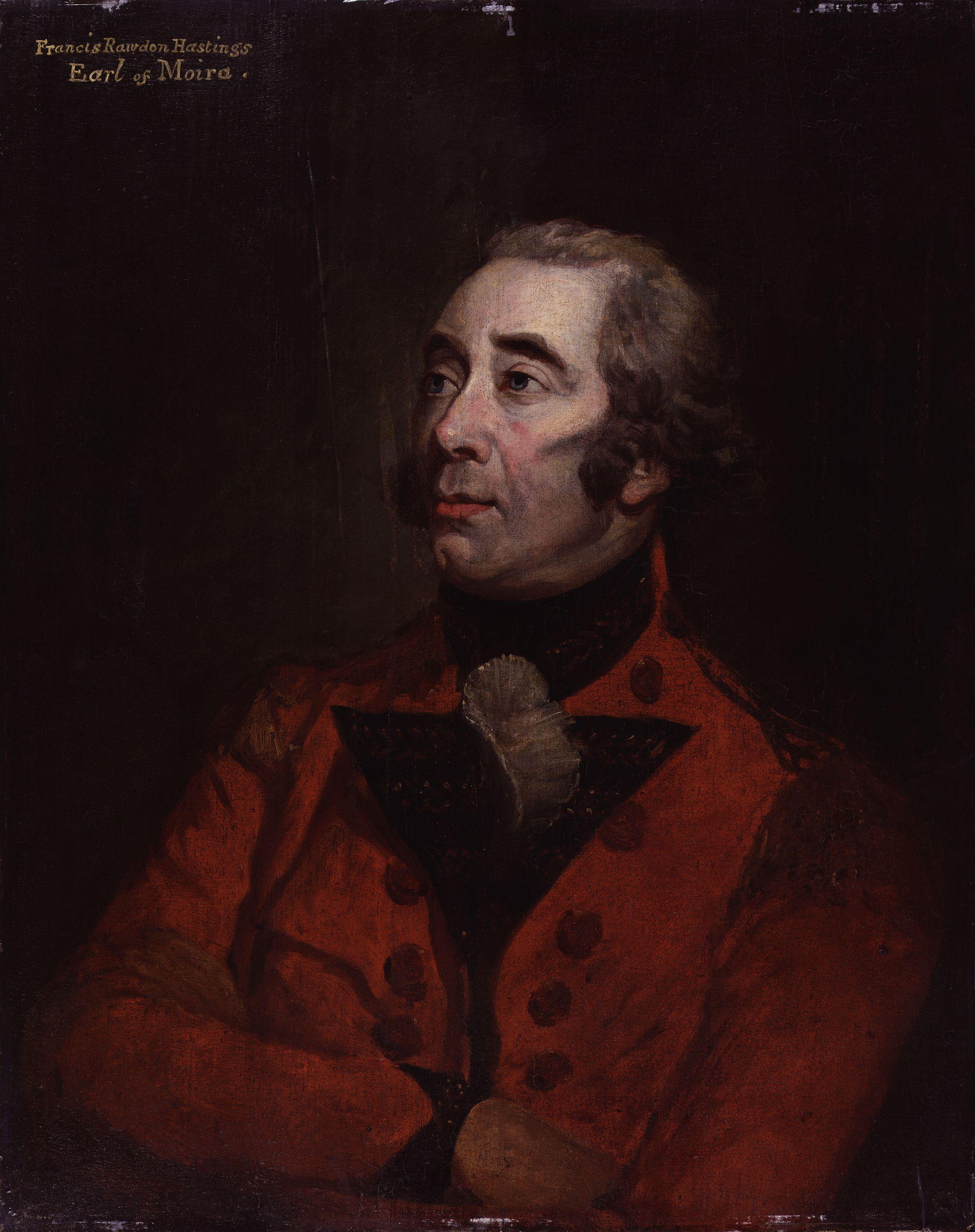
The aftermath carried its own ironies. Rawdon reached Ninety Six, joined forces with Cruger, and then promptly abandoned the post -- the very place his 200-mile march had been meant to save. The surviving Loyalists, many of whom had fought with exceptional tenacity, were later relocated by the British Crown to Nova Scotia, where they named their new township Rawdon in honor of the officer who had rescued them. Greene blamed the siege's failure partly on Sumter and Marion, whose support came too late. Henry Lee, in his memoirs, pointed the finger at Kosciuszko, arguing the engineer had started his first parallel too close to the Star Fort and misjudged how long his sappers would need to cut through the hardpan soil. Greene himself was more generous, noting that given enough time, Kosciuszko's plan would have worked. The site became Ninety Six National Historic Site and was declared a National Historic Landmark in 1973. The earthworks of the Star Fort remain visible -- low, grassy mounds in the Carolina Piedmont where one of the Revolution's strangest battles played out over nearly a month of digging, sniping, and improvised warfare.
From the Air
Ninety Six National Historic Site is located at 34.15N, 82.02W in Greenwood County, western South Carolina. From the air, the site appears as open parkland with preserved earthworks -- the mounded outlines of the Star Fort and siege trenches are visible at lower altitudes as subtle terrain features in mowed grass. The town of Ninety Six is a small community nearby. Best viewed at 1,500-3,000 feet AGL to distinguish the earthwork patterns. Nearest airports include Greenwood County Airport (KGRD), approximately 10 miles east, and Donaldson Field/Greenville Downtown Airport (KGYH) to the north. Terrain is gentle Piedmont rolling hills. The site is roughly 65 miles west-northwest of Columbia, SC.